Justin Herbert's concussion protocol news shouldn't shock anyone who's watched the Los Angeles Chargers take a beating all fall. After a 27-24 loss to the New York Jets at SoFi Stadium on Sunday, November 22, 2026, the Chargers dropped to 1-9 and stayed winless at home, while Herbert ended up in the NFL's concussion protocol without speaking to reporters afterward.
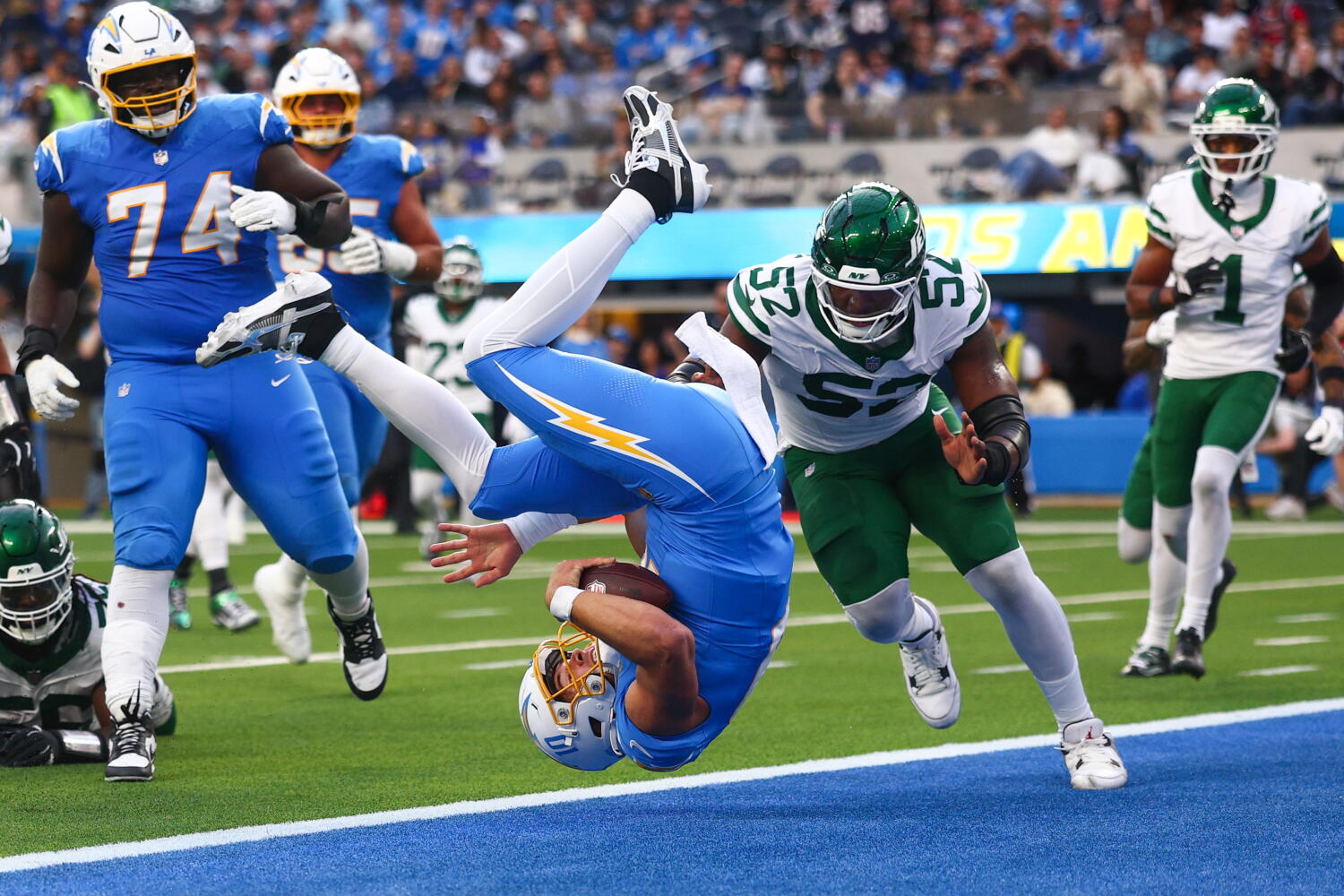
Honestly, it's getting hard to watch. Herbert put together one of his sharpest outings of the season against New York—completing 15 of 21 passes for 131 yards and two touchdowns, posting a season-best 119.3 passer rating, and adding 32 rushing yards plus a wild 10-yard touchdown scramble where he spun through contact and somersaulted into the end zone before halftime. He even threw an 11-yard touchdown to Ladd McConkey late—McConkey's first scoring grab since Week 1. Yet the highlight reel came with a brutal price tag. New York sacked Herbert six times and hit him eight times overall, pushing his season total to a league-worst 39 sacks across 10 games.
When a franchise quarterback plays well enough to win three touchdowns worth of ways and still gets ground down into protocol, you aren't looking at bad luck. You're looking at a broken structure.
Why This Loss Hits Different at 1-9
A single loss in late November doesn't rewrite a season that's already sitting at 1-9. Still, losing 27-24 to a 3-8 Jets team that snapped a five-game skid and scored on each of its first five possessions stings in a very specific way. Geno Smith threw three touchdown passes—two to Sterling Shepard—as New York carved up early rhythm while Los Angeles chased points at home.
Let's be real. For a team that picked up its first win in Week 10 against the Baltimore Ravens, Sunday was supposed to be a chance to build a tiny bit of momentum. Instead, the Chargers went right back to square one. Head coach Jim Harbaugh didn't bring up Herbert's concussion status in his postgame remarks, leaving fans piecing together what happened while Herbert absorbed heavy hits—including a roughing-the-passer facemask penalty by Jets defensive end David Bailey and multiple hits on that first-half scoring run.
What most coverage skips over is the compounding math of protection failures. Getting sacked eight times in a Week 11 game isn't an isolated bad Sunday when Herbert already took eight sacks in the November 8 loss to the Houston Texans and has now eaten 39 sacks in 10 appearances. Even when an offense flashes life—like Herbert scrambling for five yards after a sack on the final drive before hitting McConkey—a late touchdown can't fix sixty minutes of pocket pressure when the opponent runs out the clock.
How the NFL Concussion Protocol Works Right Now
Because the exact play where Herbert suffered the head injury hasn't been publicly pinpointed, his timeline depends entirely on medical clearance rather than coaching wishful thinking. Under the NFL Concussion Protocol, a player can't just tough it out or get cleared on reputation.
Every player in protocol has to move step-by-step through five stages, starting with symptom-limited activity and progressing through aerobic exercise, football-specific work, non-contact club drills, and finally full football activity with independent neurological sign-off. If symptoms return at any stage, the clock resets or slows down.
That puts Herbert's availability for Week 12 against the New England Patriots squarely up in the air. If he can't clear all five phases in time, backup quarterback DJ Uiagalelei is lined up for what would be his first NFL start. Think about that contrast for a second: going from an athletic, high-ceiling franchise passer taking 39 sacks to a young backup making his first real NFL start behind an offensive line that's struggled to keep upright.
The Real Cost of Sacks and Roster Strain
From years of watching how brutal NFL pass rushes wear down star quarterbacks, the scariest part isn't just one concussion. It's what constant hits do to a passer's internal clock and decision-making over months. When a quarterback knows free rushers or collapsing edges are coming every few snaps, he either holds the ball trying to create magic—like spinning and somersaulting into the end zone—or rushes throws before his feet are set.
- Pocket erosion changes play-calling: When a line gives up six sacks, coordinators shrink the playbook or lean on quick screens and quarterback runs, which increases exposure to open-field collisions.
- Injury attrition compounds everything: Dealing with key absences and limited injured-reserve return designations—with names like Derwin James, Rashawn Slater, and Branson Taylor tied into the broader roster crunch—leaves thin margins across the board.
- Young backups face unfair conditions: If Uiagalelei gets the nod against New England, throwing a first-time starter into a high-pressure pass rush without clean protection is a tough spot for any coaching staff to manage.
There's also a fair debate among fans about how aggressively Herbert plays outside structure when the team is losing. Nobody complains when a spin and somersault puts six points on the board. Everybody complains the next day when the quarterback enters concussion protocol. Both reactions come from the exact same tension: Herbert's willingness to fight for extra yards makes him electrifying, yet at 1-9 with a massive sack count, risking his long-term health for a lost season feels backwards.
What to Watch Next for Los Angeles
If you're following the Chargers heading into Week 12 against the Patriots, don't get distracted by surface noise. Watch the concrete signals that actually tell you where this team stands:
- Track daily practice reports: Look for official movement from symptom-limited activity into aerobic and football-specific drills early in the week, as those steps indicate whether Herbert has a realistic shot to play Sunday.
- Watch offensive line adjustments: Pay attention to whether the staff changes protection schemes, uses extra tight ends or backs to chip edge rushers, or alters snap distribution to cut down on sacks.
- Evaluate the quarterback plan early: If Uiagalelei starts against New England, look for high-percentage early downs and quick-game concepts designed to protect him rather than asking him to carry a heavy dropback load.
- Prioritize long-term health over short-term urgency: With the record at 1-9, rushing a franchise quarterback back before he's 100% cleared by independent doctors makes zero sense. Protect the player first, and figure out the rest of the winter afterward.