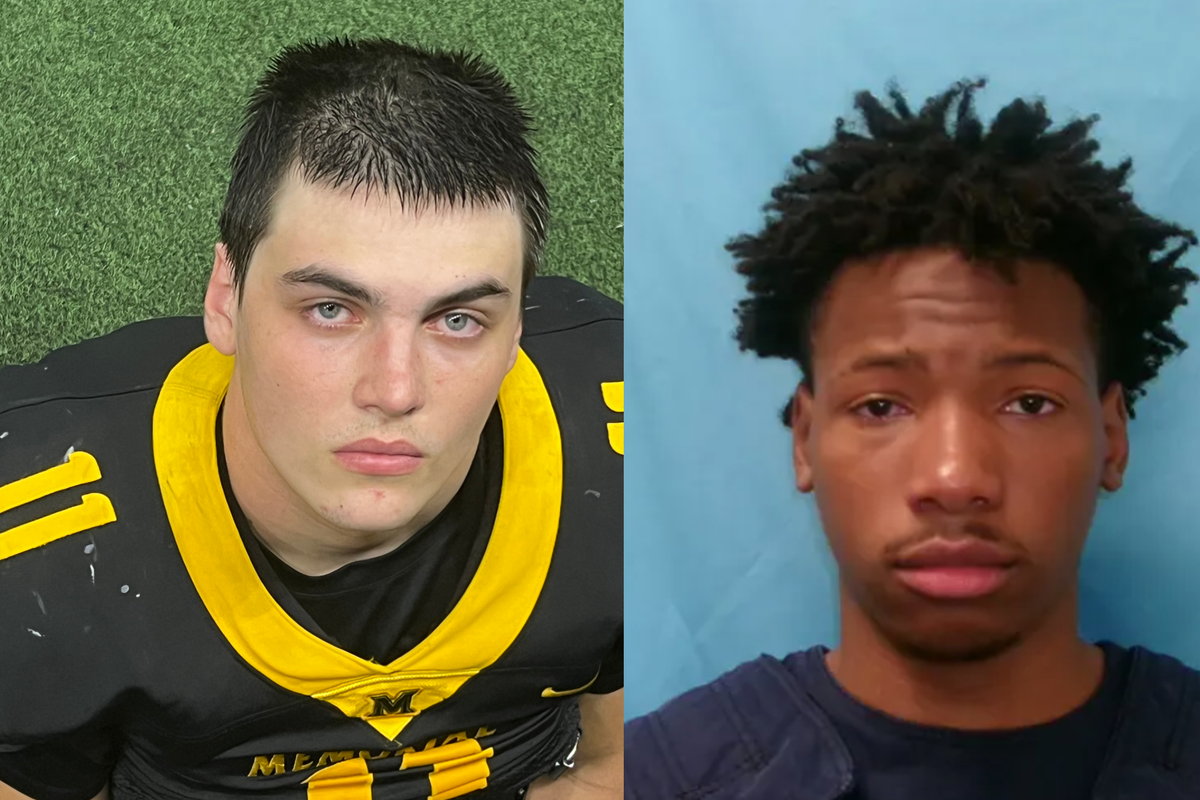
Legal battles are rarely straightforward. They’re messy, emotional, and often hinge on choices made in split-second moments. You might think a defendant on trial for their life would jump at the chance to tell their side of the story. But in the case of Karmelo Anthony, who is currently fighting for a retrial after being sentenced to 35 years for the stabbing death of Austin Metcalf, silence wasn't a sign of guilt. It was a calculated risk management strategy.
The narrative surrounding the death of Metcalf—a 17-year-old killed at a high school track meet—has been fueled by intense scrutiny and racial tension. When Anthony’s legal team initially planned to have him testify, they clearly felt it was the only way to humanize him and explain his self-defense claim. Then, they backed off. Why? Because the courtroom is a minefield.
Once you put a defendant on the stand, you open a door that’s difficult to close. Prosecutors get to cross-examine. They get to bring up things the jury hadn’t seen yet. In this case, that meant potentially damaging evidence about Anthony’s past. It’s a classic dilemma in criminal law. You want the jury to hear your client’s version of the "truth," but you have to weigh that against what the state might reveal to shred their credibility.
The shadow docket and judicial bias
One of the most interesting aspects of this retrial push isn’t just the testimony decision; it’s the argument over the original trial's integrity. Anthony’s team is fighting for a new trial partly because they claim the previous proceedings were tainted. They’ve pointed to what they describe as a "shadow docket," where character information for both sides was kept from the jury.
Think about that for a second. Both sides had baggage. The trial revealed that both Anthony and the victim, Metcalf, had histories that weren't fully presented to the jury. We’re talking about alleged past behavioral issues and, in Metcalf’s case, reports of racist language and fighting. When you keep this kind of context from a jury, you aren't giving them the full picture of the confrontation. You’re giving them a curated version of events.
Adding fuel to the fire, the original judge, John Roach, was removed from the case after he openly told a news outlet that the jurors "got it right" with their guilty verdict. If a judge is publicly commenting on the correctness of a jury's decision while a motion for a new trial is hanging in the balance, the appearance of impartiality goes out the window. Removing him was arguably the only way to restore a sliver of confidence in the process.
The reality of social media trials
We live in a world where the internet decides the verdict long before the jury enters the room. This case is a textbook example of how quickly digital hysteria can infect a legal proceeding. Threats against judges, fabricated autopsy reports, and witness intimidation—this isn’t how a fair trial is supposed to look.
Prosecutor Bill Wirskye has defended the integrity of the original trial, but when you have parents filing for protective orders for their children because of online threats, the "fairness" of the environment itself is worth questioning. It’s impossible to ignore the pressure. Does a jury, knowing the climate of hate surrounding a case, reach a verdict based solely on the evidence? Or do they reach it based on what they think will quiet the mob?
Navigating the legal strategy
If you’re ever trying to understand why a defense attorney makes a certain move, look at the incentives. The goal isn't just "the truth." It's reasonable doubt.
By keeping Anthony off the stand, his attorneys avoided the risk of the prosecution using his past against him. Was it the right move? We’ll never know how the jury would have reacted to his testimony, but it’s clear his legal team was terrified that once he opened his mouth, the prosecution would use the opportunity to paint him as the aggressor rather than a victim of circumstance.
The hearing near Dallas is now moving into a new phase under Judge Michael Chitty. The defense is banking on the idea that the trial was fundamentally flawed—not just because of the "shadow docket," but because of the way the proceedings were managed in such a volatile climate.
If you're watching this case, don't focus on the sensationalism. Watch the procedural arguments. The battle for a retrial isn't about whether Anthony is "innocent" or "guilty" in a moral sense. It’s about whether the legal process was followed correctly. When that process breaks down, everyone loses. The path forward now rests on whether the new judge agrees that the previous errors were enough to justify a clean slate.
Pay attention to the next ruling. It will set a precedent for how these high-tension, nationally scrutinized cases are handled in Texas courts.