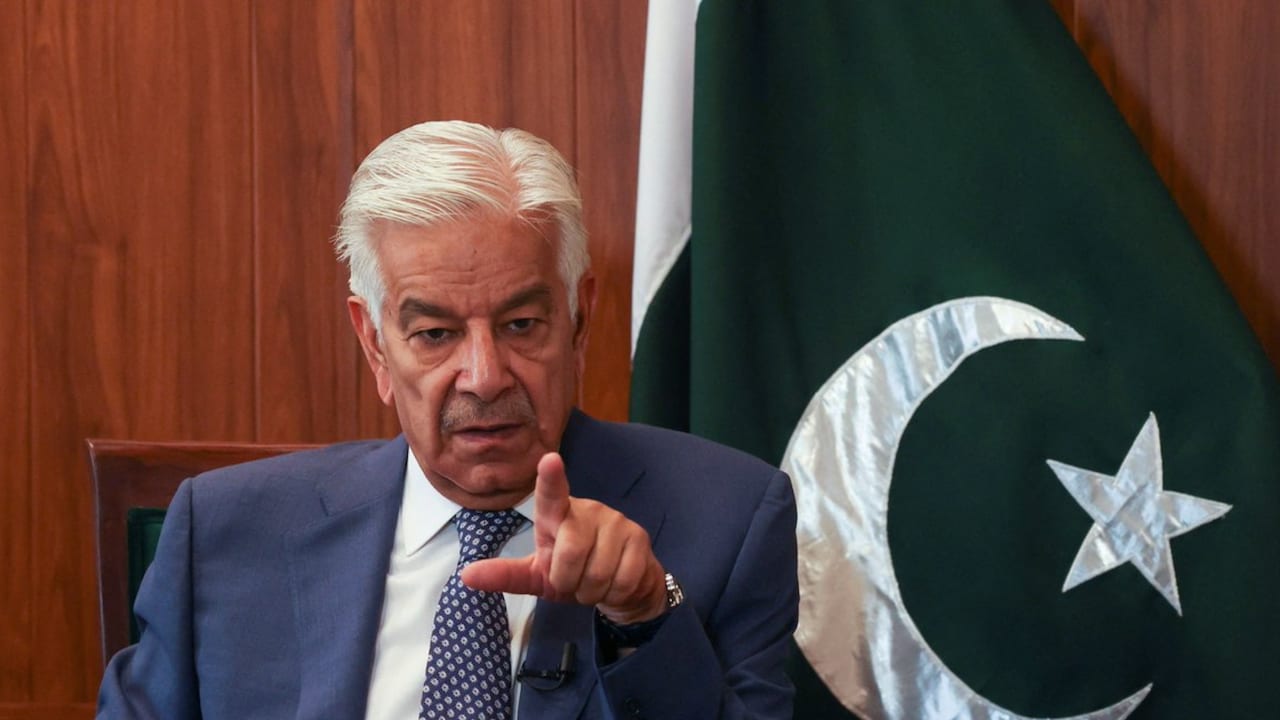
When a government starts labeling its own citizens as foreign threats, the social contract is broken. That is exactly what happened when Pakistan’s Defense Minister, Khawaja Asif, looked at mounting civilian casualties and pointed the finger straight at the people. Instead of addressing why thousands were marching in the streets, Asif chose to group demonstrators right alongside New Delhi, declaring them hostile entities.
It is a stunning admission of state detachment. When local populations demand basic economic survival and political representation, calling them enemies doesn't solve the crisis. It only exposes the deep paranoia running through Islamabad. Read more on a related topic: this related article.
Why Pakistan Occupied Kashmir Is Boiling Over
The unrest didn't appear out of nowhere. For months, residents across the region have dealt with soaring inflation, unbearable power outages, and sky-high prices for basic food items. People aren't marching for fun. They are fighting for electricity, subsidized wheat flour, and accountability from an administration that treats them like an afterthought.
The immediate trigger for the latest bloodbath involved a massive march organized by the Joint Awami Action Committee (JAAC). Thousands headed toward Muzaffarabad to protest structural inequalities, specifically targeting the twelve legislative assembly seats reserved for refugees. Locals argue these seats dilute indigenous political power, allowing outside political parties based in Islamabad to manipulate election outcomes. Additional journalism by USA.gov delves into similar perspectives on this issue.
When security forces opened fire on the crowd, the death toll quickly climbed. Activists reported at least fourteen dead in a single crackdown, while broader estimates from weeks of ongoing friction suggest over eighty fatalities. Instead of launching an independent inquiry into why live ammunition was used against unarmed crowds, top leadership leaned on tired geopolitical clichés.
The Convenient Excuse of Blaming India
Pointing the finger at India is a classic playbook move for Pakistani politicians facing domestic pressure. Whenever the economy tanks or public anger boils over, the establishment invokes the eastern neighbor to deflect blame.
Khawaja Asif’s remarks fit this exact pattern. By claiming the protesters act as proxies or enemies akin to India, the defense minister attempts to strip local grievances of any legitimacy. It creates a false binary: either you blindly support the federal structure, or you are an existential threat to the nation.
This rhetoric ignores reality. The people marching in Rawalakot and Muzaffarabad are local teachers, laborers, students, and shopkeepers. They are dealing with broken infrastructure and empty promises. Blaming New Delhi for a localized power tariff protest or a demand for fair elections is lazy governance.
The Core Grievances Islamabad Refuses to Hear
If you look past the official press releases, the core issues boil down to resource extraction and political disenfranchisement. The region features massive hydroelectric potential, yet local towns suffer through brutal load-shedding while power gets funneled elsewhere.
Furthermore, the cosmetic electoral exercises pushed by federal authorities do little to fool the public. Opposition leaders have repeatedly called out these polls as staged mechanisms designed to legitimize an illegal framework rather than empower residents.
When peaceful assemblies are met with bullets, trust vanishes completely. Dismissing legitimate domestic dissent as treasonous behavior guarantees that future resistance will only intensify. You cannot shoot your way out of an economic crisis, and you certainly cannot insult your own citizens into submission.
The path forward requires actual dialogue, structural economic relief, and accountability for the security personnel who pulled the trigger. Until Islamabad stops treating its own people like invading armies, the streets will remain volatile.
Pakistani Defence Minister Khawaja Asif Justifies PoK Killings
This video report provides a comprehensive look at the controversial statements made by Khawaja Asif and the violent crackdowns on demonstrators in Pakistan-occupied Kashmir.
http://googleusercontent.com/youtube_content/1