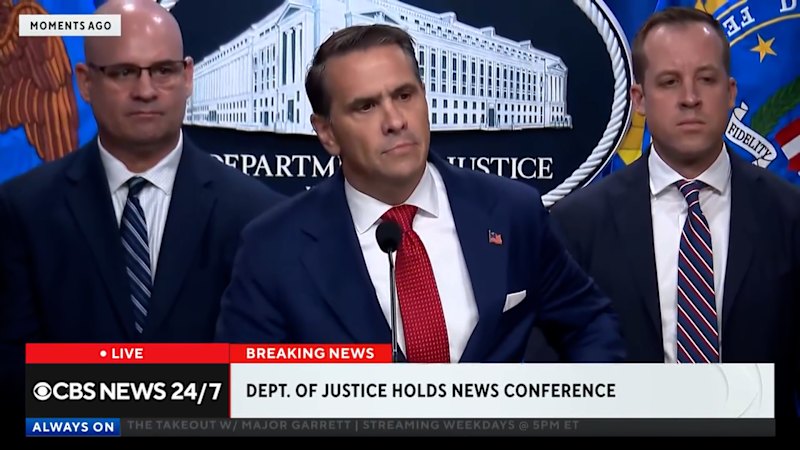
Some immigration cases transcend standard legal battles and become multi-year institutional showdowns. The story of Kilmar Abrego Garcia is exactly that kind of ordeal. After enduring a wrongful deportation, a high-stakes Supreme Court intervention, and a grueling maze of federal litigation, Abrego Garcia finally made his choice. Instead of waiting out another round in American courts, he packed his bags and self-deported to Spain.
It is a quiet end to a very loud controversy. But the ripple effects of his case will shape immigration policy and executive power limits for years. Read more on a connected issue: this related article.
The Roots of a Massive Legal Standoff
To understand why his departure matters, you have to look back at how this started. Abrego Garcia, a Salvadoran national, found himself caught in the crosshairs of aggressive immigration enforcement during the Trump administration. Back in March 2025, he was mistakenly swept up and sent back to El Salvador, landing directly inside a system that alarmed human rights advocates and sparked immediate legal panic.
Mistakes happen in large government bureaucracies. The real test of a legal system is how it responds when those mistakes are exposed. In this instance, the government's response was stubborn resistance. Legal teams rushed to court, arguing that his removal violated due process and ignored standing judicial orders. Additional reporting by TIME highlights related views on this issue.
The case escalated all the way to the Supreme Court, transforming Abrego Garcia into a reluctant symbol of the friction between federal enforcement agencies and the judiciary. When someone is mistakenly shipped off to a dangerous environment, correcting that error should theoretically be straightforward. Instead, it turned into an exhausting tug-of-war over jurisdiction, executive authority, and human rights.
Why Spain Became the Exit Strategy
By late 2026, the legal landscape had grown exhausting. Even after returning to the United States to fight his corner, Abrego Garcia faced an uphill battle against an administration determined to enforce strict removal policies. Various destinations had been floated during confidential and public legal negotiations, including Costa Rica and other nations, as his attorneys tried to find a safe harbor away from potential retaliation or renewed danger in El Salvador.
Choosing to self-deport to Spain wasn't a surrender. It was a calculated tactical exit. Staying in the U.S. meant perpetual legal limbo, detained uncertainty, and constant exposure to shifting administrative priorities. Spain offered something the American immigration courts could no longer guarantee him: immediate safety, stability, and a fresh start away from the daily political theater.
Department of Homeland Security officials confirmed his departure, closing a chapter that exposed deep vulnerabilities in how fast-track deportations are executed and how difficult it is to reverse them once a person is physically outside U.S. borders.
What This Means for Future Immigration Battles
Most people look at a case like this and focus solely on the individual human drama. That is fair, because the personal toll on Abrego Garcia and his family has been immense. However, constitutional lawyers and immigration experts are looking at the broader structural precedent.
The saga proved that federal courts can intervene when administrative overreach results in illegal banishment, but it also highlighted the sheer muscle the executive branch can flex to drag out compliance. When agencies drag their feet, individuals pay the price with their freedom and safety.
Furthermore, self-deportation under these specific terms signals a pragmatic shift. When the system becomes too hostile and the legal avenues narrow to a sliver, choosing where you land next becomes the only form of agency left. Abrego Garcia decided that securing his future in Europe was better than spending another year as a political football in Washington courtrooms.
The headline will fade soon, replaced by the next political flashpoint. But the precedent remains embedded in federal case law. Mistakes happen, fighting back is brutally hard, and sometimes the final resolution requires walking away entirely.