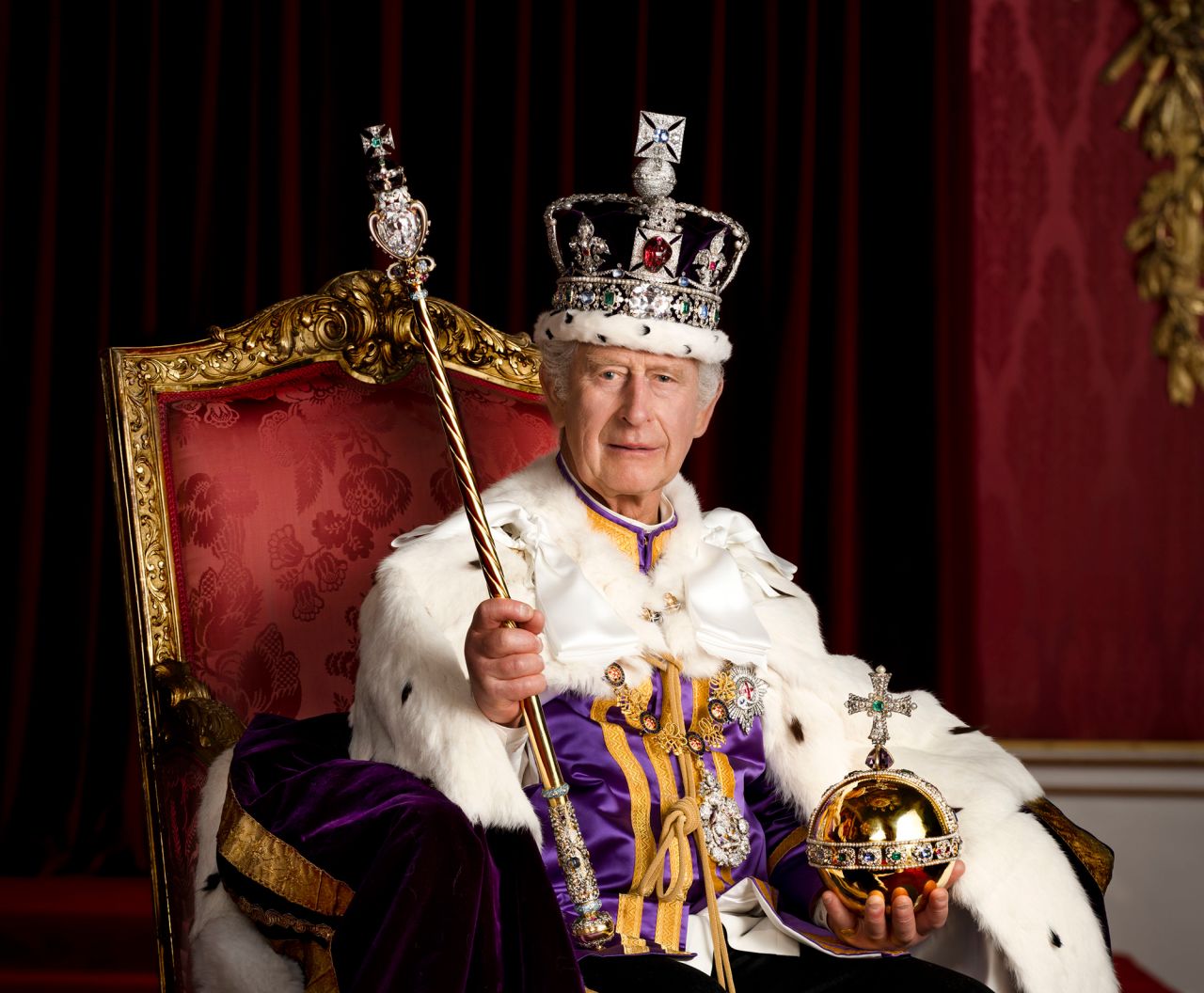
Diplomacy is rarely emotional. It's usually a dry exchange of handshakes, expensive dinners, and carefully worded press statements that say absolutely nothing of substance. But every once in a while, a state visit breaks the rigid script. Britain’s King Charles III recently hosted Oman’s Sultan Haitham bin Tariq for a historic state visit—the first of its kind in 44 years. During the welcome, the British monarch did something unexpected. He quoted the Prophet Muhammad in Arabic.
You don't see that every day in Westminster.
When global leaders step outside traditional diplomatic bounds, people pay attention. This moment wasn't just a quirky footnote in royal archives. It signalled a deliberate shift in how Western powers engage with Gulf leadership, moving past tired transactional relationships into deeper cultural recognition.
Breaking Four Decades of Royal Protocol
Let's look at the timeline. Forty-four years is a long time. The last time an Omani sultan made an official state visit to the UK, the political landscape looked entirely different. Ronald Reagan was in the White House, the Cold War was grinding along, and global diplomacy operated under a completely different set of rules.
Sultan Haitham's arrival in London reset that clock. Omani-British relations run deep, anchored by historical military ties and strategic trade agreements. Yet, King Charles chose to elevate the reception far beyond standard pomp and circumstance. By weaving a sacred text attributed to Islam's Prophet Muhammad directly into his speech, the king bypassed dry political pleasantries. He spoke directly to the cultural and spiritual identity of his guest.
Why does this matter? Because representation and linguistic respect build bridges faster than trade treaties ever could.
The Quiet Power of Omani Diplomacy
Oman occupies a unique spot in Middle Eastern politics. While other nations chase headlines with loud interventions and aggressive posturing, Muscat plays the long game. Omani foreign policy centers on neutrality, quiet mediation, and backchannel diplomacy. They talk to everyone. They mediate regional conflicts when nobody else can get opposing factions in the same room.
King Charles didn't praise Sultan Haitham by accident. He specifically highlighted Omani peacemaking efforts. In a volatile geopolitical climate, quiet diplomats are worth their weight in gold.
When the British head of state acknowledges that track record using the spiritual terminology of his visitor's faith, it sends a powerful message. It validates Oman's distinct approach to international relations. It says that thoughtful, steady diplomacy is recognized and deeply valued at the highest levels of global power.
Moving Past Superficial Cultural Exchange
We live in an age where cultural nods often feel like shallow public relations stunts. A politician wears a traditional garment for a photo op, smiles for the cameras, and forgets about the culture five minutes later.
This speech hit differently. Quoting religious or historical texts in their original language requires preparation, respect, and intent. It forces audiences to listen closely. It strips away the sterile veneer of international summits and grounds the interaction in genuine mutual respect.
If you look closely at modern statecraft, the leaders who succeed are the ones who understand cultural nuances. Hard power builds walls, but cultural fluency opens doors. King Charles has long cultivated an interest in Islamic art, architecture, and philosophy. This wasn't a sudden pivot for him. It was the natural extension of decades of personal study meeting high-stakes statecraft.
What This Means for Future Diplomacy
Global alliances are shifting. Traditional Western powers are finding that they can no longer dictate terms without listening. Middle Eastern nations like Oman are asserting their independence, diversifying partnerships, and demanding equal footing on the world stage.
Visits like this one set a new benchmark. They prove that respect goes both ways. You don't have to abandon your own traditions to honor someone else's. You just have to care enough to learn.
Watch how other European monarchies and Western governments handle high-level visits moving forward. The bar has been raised. Empty handshakes won't cut it anymore when leaders show they can speak the language of genuine partnership.