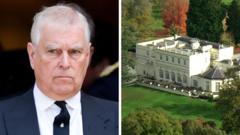
You’d think leaving a thirty-room Windsor mansion would be straightforward. For Andrew Mountbatten-Windsor, it turned into an administrative and financial slog that ended with the sovereign stepping in to clear a massive bill. King Charles has privately funded a £1.5 million net settlement regarding the long-running dispute over Royal Lodge repairs.
If you have been following the saga of the royal family real estate drama, this isn't just about cracked plaster or peeling wallpaper. It is about a high-stakes standoff over lease conditions, mounting dilapidations, and the ultimate closure of an era that has dogged the British monarchy for years.
Let's look at what actually happened behind closed palace doors and why this financial settlement signals the final chapter of Andrew's time at the Windsor estate.
The Royal Lodge Exit Explained
The sprawling 30-room residence has sat at the center of royal headlines ever since financial pressures and intense public scrutiny forced a showdown between the palace and Andrew. Under the original terms of his long-term lease signed decades ago, he was required to maintain the sprawling property to a high standard in lieu of traditional rent.
Maintenance costs on an aging historic building are astronomical. Over the years, structural decay set in. When the lease was formally surrendered, independent advisors assessed the damage. The total bill for neglect and required restoration tallied up to a staggering £1.8 million in dilapidation costs.
Because he was surrendering a fifty-year lease early, Andrew was technically entitled to some compensation. After offsetting what he owed for failing to maintain the structure, the Crown Estate determined he was owed roughly £302,000. That left a net total of £1.5 million unaccounted for—a gap that King Charles ultimately resolved with private funds.
Why the Sovereign Stepped In
People keep asking why the King would bail out his disgraced brother rather than letting the legal system handle it. The reality comes down to asset management and cutting ties cleanly.
The Crown Estate confirmed that the property has now been fully vacated. It will be marketed by two nationally recognized agents to determine its future use. Right now, officials insist no other working royals have immediate plans to move into Royal Lodge.
By privately funding the remaining balance, the monarchy is effectively washing its hands of the entire property dispute. Dragging out a bitter property feud with a family member in public view serves no one, especially an institution trying to project financial discipline and modern accountability.
The Timing With the High Court Battle
This massive real estate update lands right alongside another major legal development. Just days prior, Andrew won a significant High Court battle when Thames Valley Police conceded that search warrants used to raid his properties earlier in the year were unlawful.
Back in February, police executed raids at Wood Farm in Sandringham and Royal Lodge, leading to his subsequent arrest on suspicion of misconduct in public office over allegations tied to his past role as a UK trade envoy. While a judge ruled those specific warrants invalid, prosecutors noted that seized materials remain under review for ongoing investigations.
Andrew remains caught in a legal limbo, but the Royal Lodge chapter is definitively closed. The keys are handed over, the dilapidation shortfall is settled, and the estate is moving onto the open market.
There are no tidy morals here. Just a messy family drama playing out on a multi-million-pound stage, finally reaching a hard financial stop.