The tragic loss of nine lives in a Kolkata hotel fire this week isn't just another news headline. It's a wake-up call for anyone crossing borders for medical care or tourism. When nine individuals—including Bangladeshi nationals caught in a nightmare on Mirza Ghalib Street—lose their lives, the conversation has to shift from "who" to "how."
I've spent years tracking urban infrastructure risks. When you see multiple hotels crammed into one building, with tiny, windowless rooms, you're not looking at a budget accommodation. You're looking at a tinderbox.
Understanding the reality of high-density lodging
When you are looking for a place to stay in a bustling city like Kolkata, the temptation to book the cheapest, most central room is strong. It makes sense. You want to be close to the hospitals, the markets, and the transport hubs. But there is a massive difference between "budget" and "unsafe."
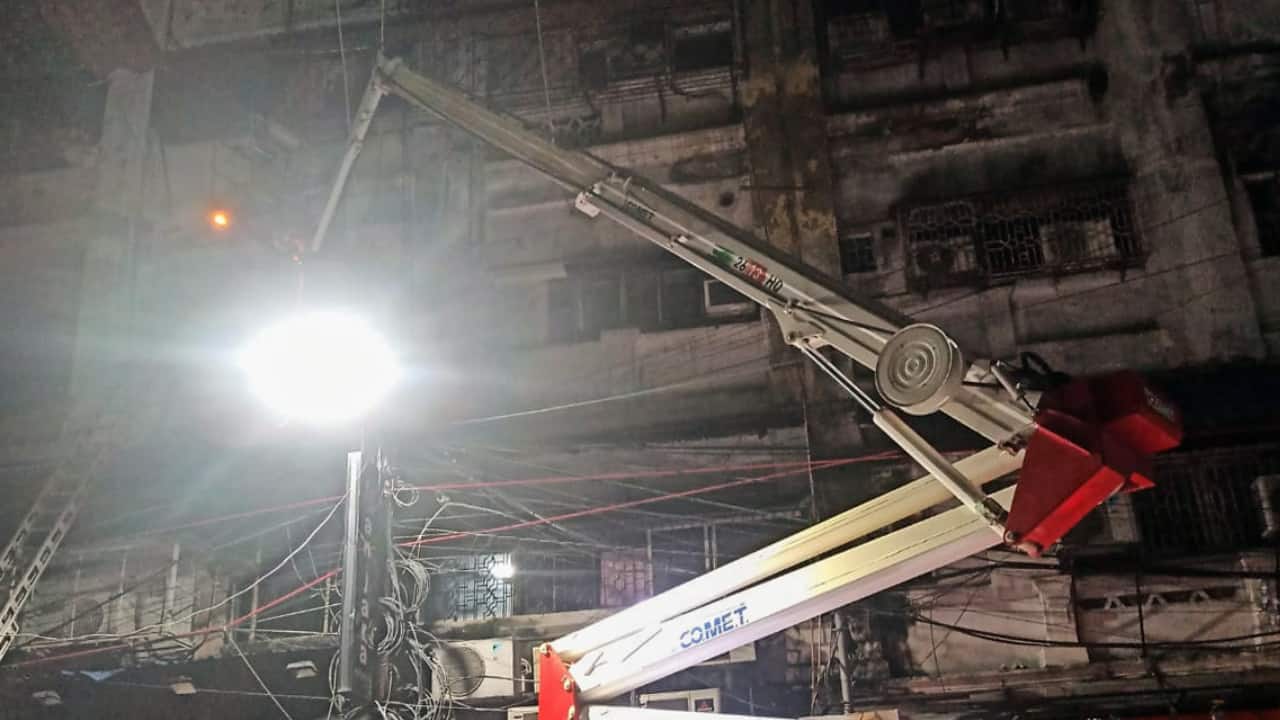
The incident on Mirza Ghalib Street involved a building that reportedly housed ten different hotels across just three floors. Think about the math there. How do you cram that many businesses, their staff, and their guests into a single structure without compromising basic fire safety standards? The reality is you don't. You can't.
When you see a single building split into a dozen tiny, cramped rooms, the ventilation is usually non-existent. Fire exits become storage closets. Wiring, likely decades old, struggles under the load of modern air conditioning units. It's a recipe for disaster.
Why government oversight matters
West Bengal Minister Agnimitra Paul noted that the government is now moving to inspect hotels for valid permits and fire licenses. It sounds proactive, but it’s reactionary. It took a tragedy involving international travelers to spark this specific investigation.
If you're a traveler, you cannot wait for a government audit to ensure your safety. You need to be your own inspector. Before you book, check for these red flags:
- Lack of fire signage: If you don’t see an emergency map on the back of your door, that’s a massive red flag.
- Blocked exits: Look at the corridors. Are they packed with luggage, cleaning supplies, or construction materials? If the path to the fire escape is blocked, it's not a fire escape. It's a death trap.
- Single entry/exit points: If the only way in or out of the entire floor is one narrow staircase, you’re trapped if the fire starts in the lobby.
- The "windowless room" trap: If your room lacks a window, you have no secondary escape route and zero visibility if the power goes out during a fire.
Taking control of your safety abroad
The Bangladesh Deputy High Commission in Kolkata is doing exactly what it should—coordinating with police and hospitals to assist the families. But as an expert in travel risk, I’ll tell you that you don't want to be the person they’re assisting.
If you’re traveling to another country for medical purposes—a very common reason for Bangladeshis visiting Kolkata—you are likely vulnerable. You might be carrying extra baggage, you might have mobility issues, or you might be exhausted from treatment. This makes checking your lodging’s safety documentation even more critical.
- Verify licenses: Don't be afraid to ask the front desk if they have a current fire safety certificate. A legitimate business will have this posted or available.
- Locate the exit: The moment you check in, physically walk to the nearest fire exit. Do it. Don't just look at the sign. Ensure it actually opens.
- Emergency contact: Save the number for your country's local mission or consulate. It’s not just for lost passports; it’s for life-or-death situations.
- Trust your gut: If the building smells like exposed wiring or the hallway is cluttered, leave. Do not stay just because you already paid. Your life is worth more than a non-refundable deposit.
Tragedies like the Kolkata hotel fire happen when urban density outpaces safety regulation. It’s ugly, it’s frustrating, and it’s dangerous. Don't assume that because a hotel is listed on a booking site, it meets modern safety standards. It often doesn't.
Stay vigilant. Look up when you enter a building. If you don't feel safe, move. There is never a good reason to gamble with your safety for the sake of convenience.