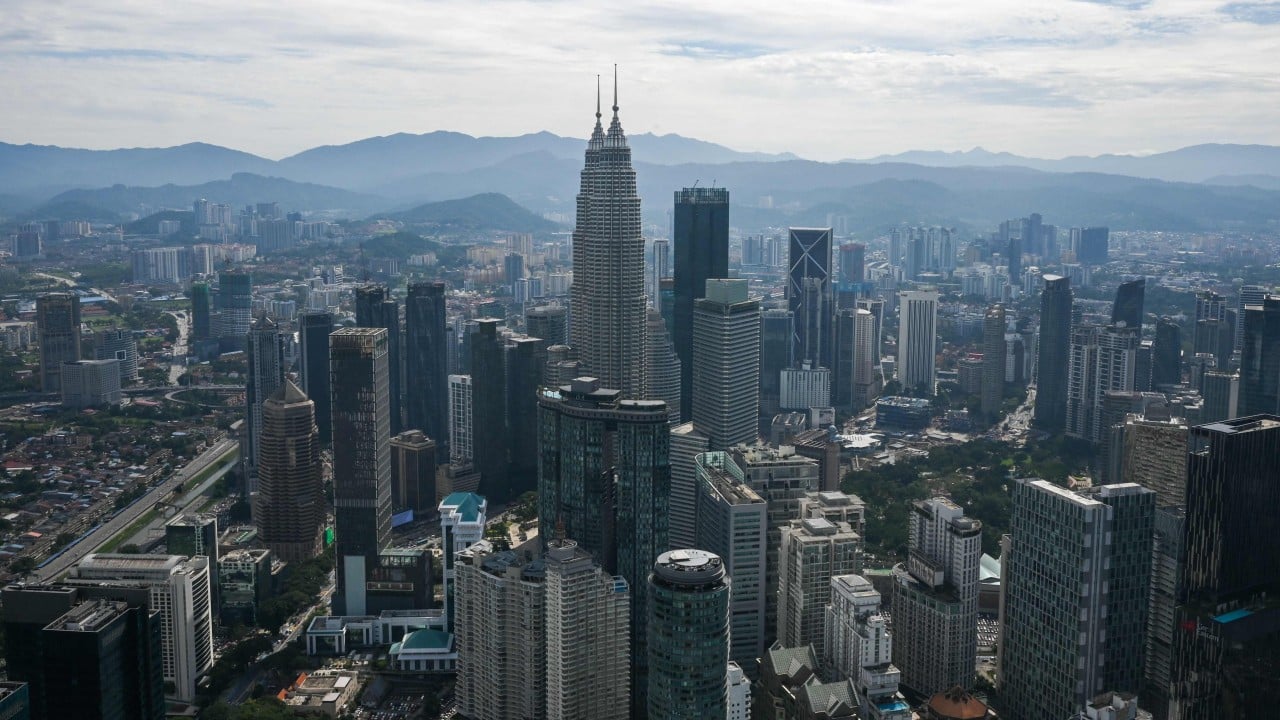
Glass towers scrape the clouds while generations-old shophouses crumble quietly in the shadows. That is the stark reality of Kuala Lumpur today. Urban renewal projects promise a vibrant cultural renaissance, but they often leave long-term residents and traditional business owners priced out of their own backyards.
You cannot build a sustainable future by bulldozing your memory. Yet, Malaysia's capital is locked in a high-stakes tug-of-war between aggressive economic expansion and the preservation of its historical identity. Meanwhile, you can explore similar developments here: Why The Indian Passport Ranking In 2026 Is Misleading You.
The Core Conflict of Urban Renewal
Downtown Kuala Lumpur once thrived as a modest tin-mining settlement before blossoming into a colonial administrative center. Over the decades, growth shifted toward gleaming modern hubs like the Kuala Lumpur City Centre, the Tun Razak Exchange, and massive structures like Merdeka 118. This left the historic inner core neglected, decaying, and largely stagnant.
Now, initiatives like the Kuala Lumpur Cultural Creative District master plan aim to reverse that decay. But regeneration carries a heavy hidden cost. To explore the complete picture, check out the recent analysis by Condé Nast Traveler.
When old neighborhoods get a glossy makeover, property values skyrocket. Rents double overnight. Independent coffee shops, traditional kopitiams, and family-run trades get replaced by boutique hotels and high-end concept stores aimed strictly at tourists and affluent expats.
You are left with a polished museum piece rather than a living, breathing neighborhood. Authenticity gets packaged, commercialized, and sold back to you at a markup.
Who Wins When Old Districts Get Spiffed Up?
Urban planning rhetoric loves terms like "placemaking" and "adaptive reuse." They sound great in government press releases. On the ground, the story looks entirely different.
Consider what happens to the original community. When historic areas undergo commercial upgrading, grassroots residents are rarely the ones who reap the economic upside. They pack up and move to the urban fringes because they can no longer afford the cost of living.
- Rising Property Costs: Land speculation surges the moment a historic district receives government revitalization status.
- Cultural Erasure: Traditional trades that require cheap floor space vanish, replaced by generic commercial franchises.
- Displaced Communities: Long-standing neighborhood networks dissolve as families scatter to outer suburbs.
City planners point to successes like George Town in Penang as a blueprint. Tourism numbers exploded there over the last decade, transforming a sleepy colonial enclave into a global hotspot. But Penang also serves as a warning label. Locals there have spent years pushing back against soaring housing costs, tourist saturation, and the hollowed-out character of downtown streets dominated by short-term rentals.
Kuala Lumpur risks making the exact same mistakes on a much larger scale.
Finding a Sustainable Path Forward
Can Malaysia modernize its capital without pricing out its past? Yes, but it requires a radical shift in how urban policy handles grassroots populations.
Conservation cannot just mean saving brick facades while gutting the people inside them. Real heritage preservation protects the economic and social fabric of the community. That means implementing rent stabilization for legacy businesses, providing grants for historic structural upkeep without forcing tenant turnover, and giving local residents a genuine voice in zoning decisions.
Stop treating history as an obstacle to progress. Treat it as the anchor that keeps a city grounded while the glass towers rise around it.