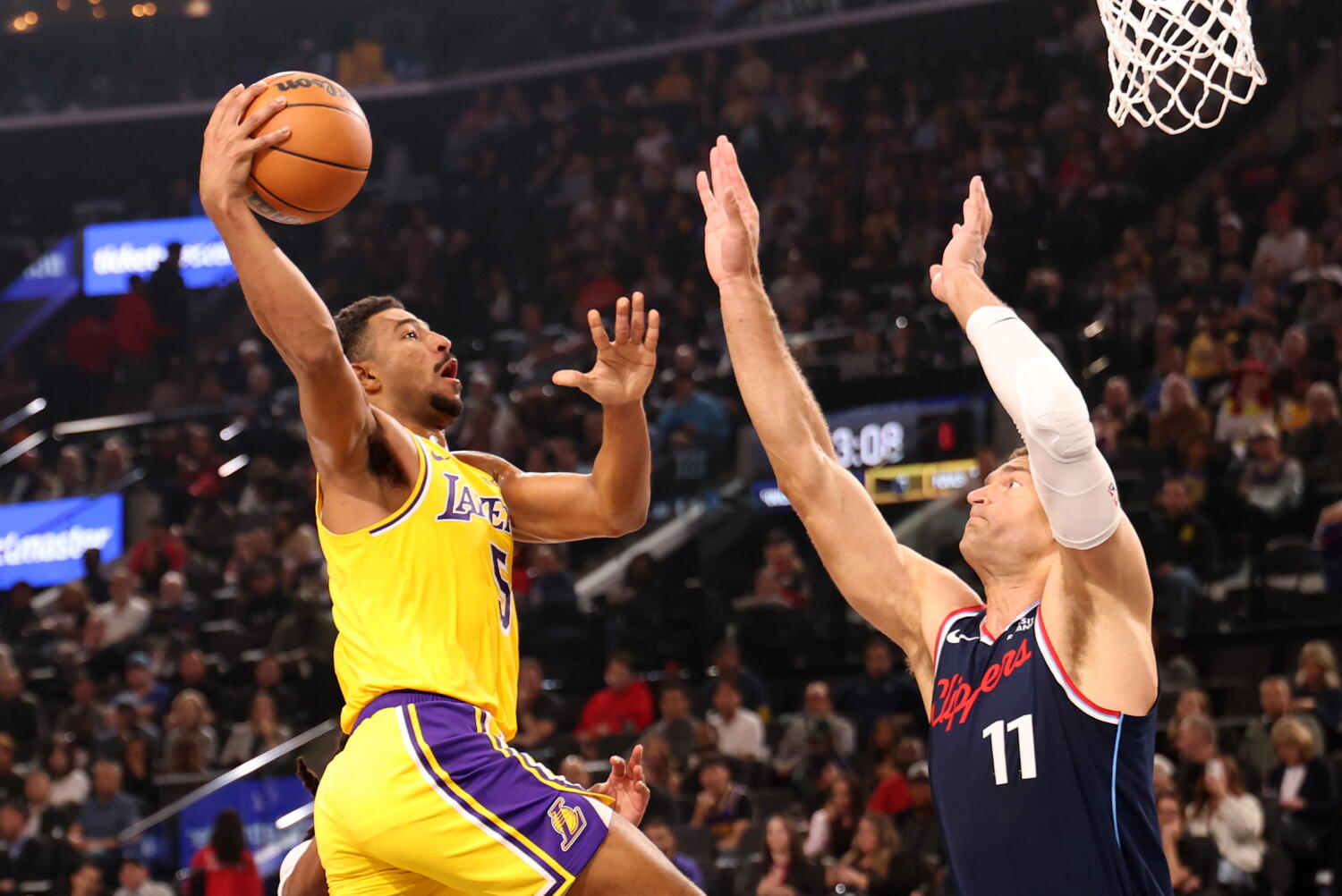
Nine straight wins. A dominant run through the Western Conference. Then a 109-97 home loss to a Utah Jazz team that walked into Crypto.com Arena with heavy underdog odds on November 18, 2026.
If you only glance at the box score, it looks like a classic off night where the Los Angeles Lakers simply couldn't buy a bucket. They shot 38.2% from the field and 27.3% from three. Utah hit 48.1% overall and 37.8% from deep. Honestly, cold shooting happens to every NBA team over an 82-game grind.
Here's what actually tripped Los Angeles up. It wasn't just rim luck or tired legs. It was a fourth-quarter collapse, nine turnovers from Luka Dončić, and Keyonte George picking apart every rotation mistake the Lakers made down the stretch.
What Went Wrong When the Lakers Lost to the Jazz
Start with the fourth quarter, because that's where a competitive game turned into a double-digit setback. Entering the final period tied at 78-78, Los Angeles managed just 21 fourth-quarter points while Utah erupted for 31. A 15-0 Jazz scoring run spanning more than three minutes broke things wide open late, turning a tight fourth quarter into a 98-85 Utah cushion with roughly five minutes left.
A nine-game winning streak makes a team feel invincible. Sometimes it breeds shortcuts. Against a hungry underdog playing loose with nothing to lose, Los Angeles settled for tough jumpers and gave away extra possessions.
Dončić still scored 29 points with 7 assists and went 7-for-7 from the free-throw line. That looks great at a glance. Look closer and you see 10-for-28 shooting from the floor, 2-for-12 from beyond the arc, and 9 turnovers in nearly 37 minutes. Even Quentin Grimes chipped in 20 points on 4-for-10 three-point shooting and Walker Kessler pulled down 11 rebounds with 10 points, yet the offense stalled whenever Utah packed the paint or forced rushed perimeter looks.
Meanwhile, Utah didn't play flawless basketball either—turning the ball over 21 times—but the Jazz punished Los Angeles's sloppy ball handling and owned the late-game execution.
Keyonte George Took Over in Los Angeles
You can't talk about this upset without putting Keyonte George front and center. George hung 30 points and 10 assists on the Lakers in nearly 39 minutes, going 9-for-17 from the field, 5-for-10 from three, and 7-for-9 at the stripe. Back-to-back 30-point outings for a young lead guard against one of the West's top teams isn't a fluke. It's a statement.
He controlled the tempo without rushing. Whenever the Lakers tried to rally in the second half, George either drilled a pull-up three or found an open shooter on the weak side.
Around him, Utah got real contributions from unexpected spots. Sviatoslav Mykhailiuk knocked down four three-pointers on his way to 15 points, 5 assists, and 2 steals—scoring a season-high 12 points in the first half alone against the franchise that drafted him in 2018. Ace Bailey added 19 points and 8 rebounds on 19 shots, Josh Green went 4-for-4 for 11 points, and Mo Bamba grabbed 16 rebounds (15 defensive) along with 2 blocks in just over 22 minutes.
Think about Mo Bamba's rebounding for a second. Sixteen boards in under 23 minutes completely changed the possession math on the defensive glass. One-and-done possessions kill momentum, and Utah kept ending Lakers trips early.
Fatigue vs Shot Selection The Real Debate
Fans love blaming fatigue after a tough loss, especially coming off a long winning streak. Maybe legs were heavy. NBA seasons are grueling, and playing at peak intensity every night takes a toll.
Still, I don't buy "tired legs" as the main excuse when a team attempts 89 field goals and 33 threes at 27.3%. Fatigue affects free-throw shooting and late-game closeouts just as much as jump shots, yet the Lakers actually finished with 14 offensive rebounds and 29 points off turnovers.
When you generate extra chances and score 29 points off opponent miscues, you have enough opportunities to win at home. Los Angeles lost because its half-court shot quality dipped late and turnovers piled up at bad moments. Sandro Mamukelashvili went 1-for-10 from the floor (0-for-4 from three), and the Lakers combined for 17 team turnovers.
On the flip side, nobody debates the value of a reset after a nine-game surge. Winning streaks mask bad habits. A loss like this exposes what happens when threes aren't falling and the whistle doesn't bail out perimeter drives.
What This Loss Means for the Lakers Moving Forward
For a team sitting near the top of the Western Conference standings, one regular-season loss in mid-November won't derail a championship push. It's a data point, not a crisis.
What matters next is how Los Angeles responds to the film. They don't need to panic over a cold night from deep—good shooters regress to their averages over time. They do need to tighten up ball security, especially in late-game situations where live-ball turnovers turn into easy transition points for the opponent.
The schedule gives them an immediate chance to wash the taste out of their mouths at home against the Sacramento Kings before seeing Utah again on November 23 in Los Angeles.
Practical Next Steps After a Cold Shooting Night
- Audit fourth-quarter shot quality: Track how many late-game possessions end in pull-up threes or contested midrange jumpers versus paint touches and free-throw trips.
- Cut unforced live-ball turnovers: Focus on cleaner entry passes and decision-making in traffic so single-digit assist-to-turnover nights don't snowball into double-digit runs.
- Protect defensive glass early: Pair rim protectors like Walker Kessler with active box-out assignments on the wing to limit second-chance points before they build momentum.
- Reset rotation rhythm quickly: Use the upcoming home stretch to test bench combinations—including minutes for guys like Collin Sexton and Jarred Vanderbilt—without overextending starters in November.