You couldn't get a seat at 3:00 AM on a Sunday night in Tsim Sha Tsui.
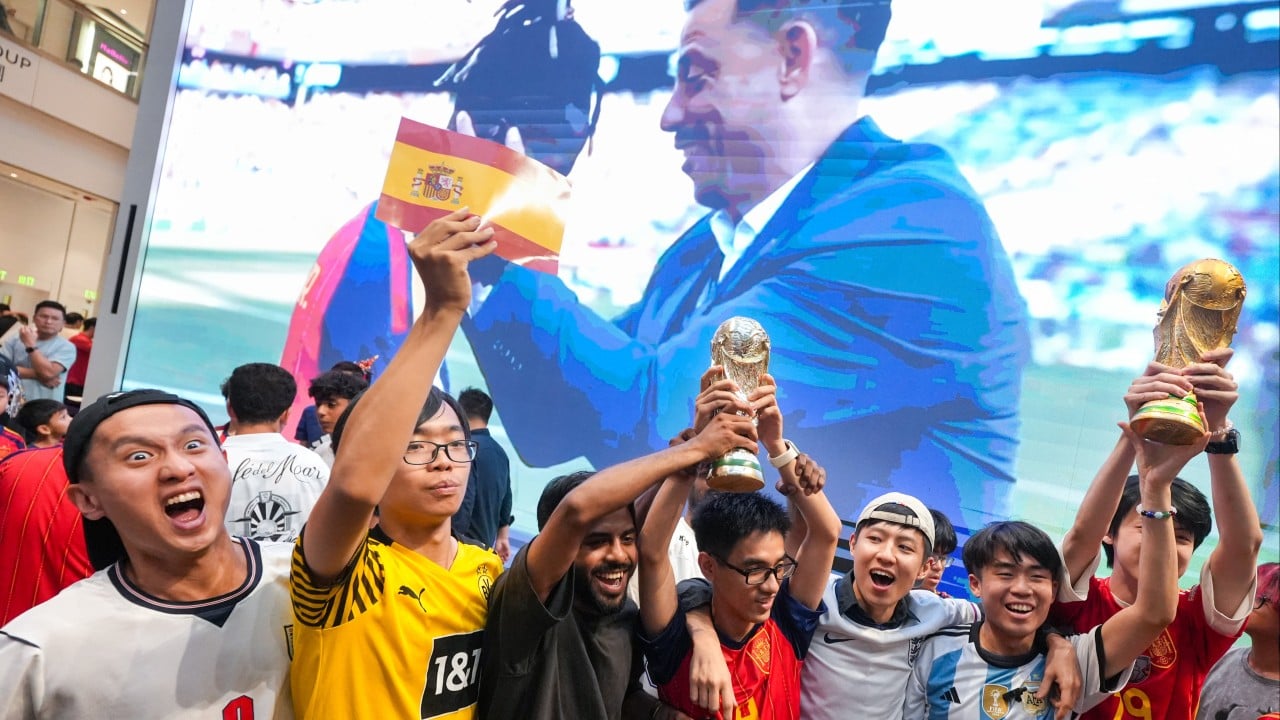
That isn't a figure of speech. Air-conditioned shopping centers across Hong Kong—spaces that usually sit pitch-black and empty after 10:00 PM—were bursting at the seams. Thousands of bleary-eyed fans huddled under gigantic LED screens, clutching steaming baskets of har gow and oversized cups of brown sugar boba.
The time difference for the 2026 World Cup presented a massive logistical headache for local football fans. With major games kicking off in the dead of night or during early morning hours local time, watching from home was the sensible choice. But tens of thousands of people chose to do the exact opposite. They traded their living room couches for crowded mall concourses, traditional dim sum parlors, and pop-up food stalls.
What started as a desperate search for live broadcasts transformed into one of the most surprising retail events Hong Kong has seen in years.
The Midnight Transformation of Hong Kong Malls
When major tournaments take place on the other side of the planet, Asia gets stuck with brutal broadcast hours. A 3:00 AM kickoff usually means solitude, quiet living rooms, and muted television sets to avoid waking the neighbors.
This time, shopping mall operators and local businesses took a massive gamble. Instead of pulling down the shutters, property developers kept their doors wide open, cranked up the air conditioning, and turned main atrium spaces into makeshift arenas.
The atmosphere was surprisingly electric. Standing shoulder to shoulder with hundreds of strangers at three in the morning feels bizarre at first. But when a shot hits the crossbar, the collective groan echoing off glass storefronts beats sitting alone in the dark every single time. Football fan Shannon Dias noted during the final that being surrounded by supporters of both teams made the mall feel remarkably like a real stadium.
Mall management didn't just turn on the screens and walk away. They brought in pop-up food vendors, set up portable seating, and coordinated with local transport operators. For a city struggling to reignite its late-night economy, the tournament provided a blueprint that nobody expected.
Steamed Dumplings and Siu Mai at Kickoff
The most iconic pairing of this tournament wasn't tactical matchups on the pitch. It was live football and traditional Cantonese teahouses.
Take Lin Heung Lau, a legendary 98-year-old teahouse in Sheung Wan. Traditional dim sum parlors usually cater to early-rising seniors reading morning newspapers. But during this tournament, management spent over HK$200,000 to install a massive nine-meter LED screen and secured commercial broadcast rights for live matches.
Instead of quiet morning tea, patrons got high-stakes football accompanied by the rattle of dim sum carts. Fans devoured pork ribs, rice flour rolls, and steamed buns while watching Haaland score for Norway or tracking Argentina's buildup play.
The gamble paid off massively. Lin Heung Lau saw a 20% jump in business by leaning into the absurdity of the timing. They didn't stop at football either—they introduced "dim sum raves," blending traditional dumpling service with live DJ sets and retro Cantopop.
Combining century-old culinary traditions with modern sports viewing sounds strange on paper. In practice, it filled every table during hours when these venues normally lose money on electricity.
Why Home Streaming Couldn't Compete
You might wonder why anyone would leave a comfortable bed at 2:30 AM just to stand in a crowded mall.
The answer comes down to community and shared energy. Hong Kong apartments are notoriously compact. Roaring at the TV in a 400-square-foot flat at four in the morning is a quick way to get your landlord or neighbors knocking on your door. Malls offered a noise-safe sanctuary where fans could shout, celebrate, and vent without holding back.
There was also the practical side of broadcast access. Securing full tournament coverage at home required paid subscription packages that not everyone wanted to buy. Malls provided crisp, ultra-high-definition broadcasts on multi-story displays completely free of charge.
Add in readily available food—from bubble tea pop-ups to 24-hour convenience store snacks—and the mall became a far more attractive option than a quiet apartment.
The Economic Aftershocks for Local Retailers
Hong Kong officials have spent the last two years trying to revitalize the city's night-time economy. Initiatives like night markets and late-night shopping discounts yielded mixed results in the past. Consumers simply got used to going home early after the pandemic.
The World Cup proved that people will happily stay out until sunrise if the event is compelling enough.
Food vendors reported record night-shift sales. Bubble tea stands operating inside mall plazas stayed busy continuously from midnight through 6:00 AM. Fast-casual dining spots located near high-definition screening hubs saw turnover rates that mirrored peak lunch-hour rushes.
It wasn't just short-term food sales either. Teahouses like Lin Heung Lau intend to use their new broadcast setups for upcoming Premier League seasons. They recognized a fundamental shift: young consumers don't want traditional dining or sports bars in isolation. They want hybrid spaces that mix comfort food, social atmosphere, and live entertainment.
How Business Owners Can Replicate This Success
If you run a hospitality or retail business in a dense urban environment, relying on traditional operating hours is an easy way to leave money on the table. The success of Hong Kong's late-night screenings offers clear strategies for future global events:
- Target awkward broadcast times: Don't view bad time zones as a drawback. Turn early-morning or mid-night games into exclusive night-owl events.
- Pair food with the occasion: Traditional sports food like beer and nachos doesn't always fit a 4:00 AM broadcast. Offering local comfort food, hot tea, or quick breakfasts hits the spot much better.
- Invest in proper audio and visual setups: A small TV in the corner won't draw a crowd. People leave home for big screens and immersive sound systems.
- Build community around the venue: Offer loyalty perks or simple prediction games during halftime to keep crowd energy high between matches.
The Next Era of Nightlife Entertainment
Hong Kong's late-night World Cup experiment showed that urban spaces can reinvent themselves quickly when demand calls for it. Malls aren't just for daytime shopping anymore, and traditional teahouses don't have to stay stuck in the past.
When thousands of people show up at three in the morning for dumplings, tea, and football, it's clear that the appetite for shared public experiences is as strong as ever. Businesses that adapt to these shifting lifestyle habits will dominate the future of retail entertainment.
To see how local teahouses adapted their dining halls for overnight crowds, check out this Hong Kong World Cup Dim Sum Coverage which shows how traditional venues transformed their space for live match broadcasts.