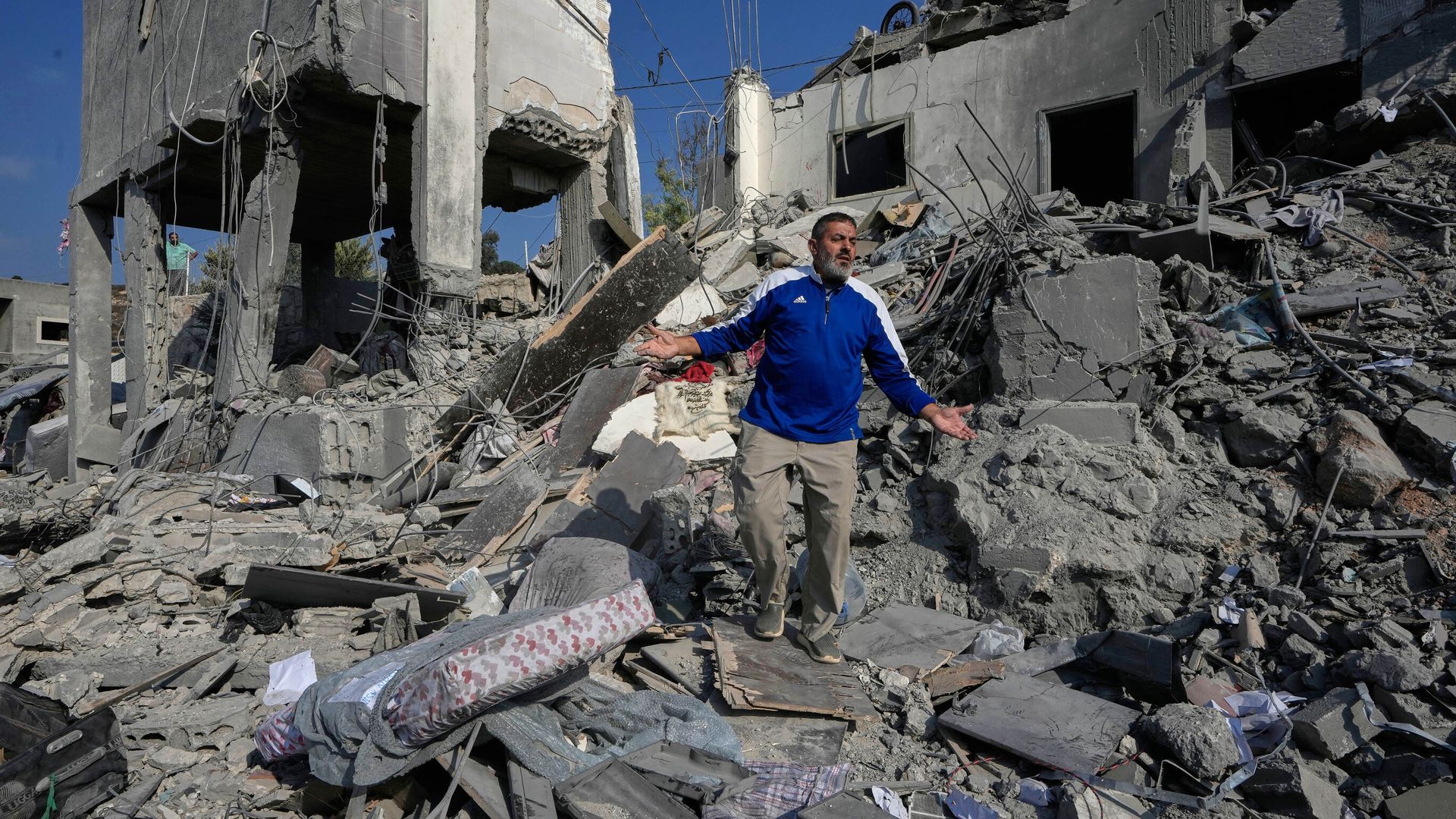
The fragile cease-fire governing southern Lebanon just suffered its bloodiest test yet. Lebanese health officials confirmed that a wave of heavy Israeli airstrikes killed 11 people, including three children, marking the highest single-day death toll since the truce went into effect on June 20.
If you have been following the diplomatic scramble in the region, you know how precarious this architecture has been. The June framework agreement aimed to push Israeli forces back in exchange for Hezbollah's disarmament. But paper agreements rarely survive active combat zones when enforcement mechanisms are weak.
Where the Strikes Hit
The devastation centered on two distinct locations in southern Lebanon. According to Lebanon's Health Ministry and the state-run National News Agency, the first strike obliterated a residential home on the edge of the village of Ansar. That single blast killed seven people, among them three children, and left two others wounded.
A second wave slammed into the village of Deir al-Zahrani. That attack claimed four more lives and wounded 17 others. Alongside these residential areas, Israeli warplanes targeted the strategic Ali Taher hill, which overlooks crucial transit routes toward Nabatiyeh.
The math of these casualties tells a grim story. Whole families are paying the price for an escalating cycle of retaliation that neither side seems willing to permanently break.
The Military Justifications and Counter-Claims
Israel's military presented a direct rationale for the raids. Officials stated the operations targeted Hezbollah infrastructure—specifically a command center. According to the Israel Defense Forces, the action came in direct response to an explosive drone attack that severely wounded three Israeli soldiers operating in southern Lebanon.
Prime Minister Benjamin Netanyahu's office maintained that the targeted compound belonged to Hezbollah. The military later identified a high-ranking local commander, Ali Samir Al-Haj Hassan, among the dead.
Crucially, the military acknowledged that family members were killed in the blast. However, officials asserted that the relatives were not the intended targets, accusing Hezbollah of utilizing the compound as a human shield.
Lebanese leadership fiercely rejected that narrative. Lebanese Prime Minister Nawaf Salam condemned the strikes on X, noting that the victims in Ansar were civilians rather than military assets. Salam emphasized that intimidating residents inside their homes does nothing to stabilize the border region.
What This Means for the Regional Truce
The underlying architecture of the June agreement was always built on shaky ground. Hezbollah refused direct participation in the talks, viewing the state-level diplomacy with deep suspicion. When non-state actors operate outside the direct parameters of a peace track, localized skirmishes easily spiral into major kinetic events.
President Joseph Aoun pointed out that these intense bombardments send a chilling signal to international mediators, particularly American diplomats trying to keep the peace track alive. When daily exchanges of fire continue north and south of the Litani River, the boundary between a localized clash and total war blurs completely.
Civilians on both sides of the border bear the ultimate cost while diplomatic channels stall. As long as retaliatory triggers override political restraint, incidents like the one in Ansar will keep pulling the region back toward open conflict.