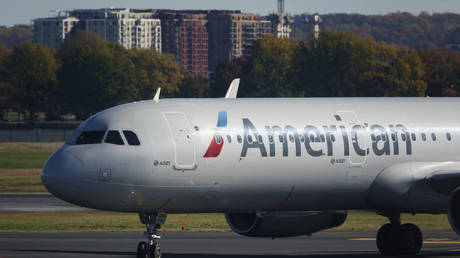
Air travel in the United States grinding to a complete halt is supposed to be nearly impossible. Yet, thousands of passengers found themselves stranded across the country when the Federal Aviation Administration issued an urgent nationwide ground stop. A critical telecommunications failure ripped through air traffic control centers, forcing aviation authorities to freeze all departing flights out of an abundance of caution.
When a system failure of this magnitude hits, travelers immediately experience total chaos at the gates. Understanding what actually happens behind the scenes during a nationwide ground stop reveals deep vulnerabilities in modern aviation infrastructure that go far beyond a simple software glitch.
What a Nationwide Ground Stop Actually Means
When the FAA orders a ground stop, it doesn't mean the skies empty completely. Planes already airborne are allowed to continue to their destinations and land safely. No new domestic departures are permitted to push back from the gate.
This creates a massive logistical bottleneck. Major hub airports quickly run out of available gates because inbound aircraft land without being able to depart again. Passengers sit on tarmac queues or wait anxiously in crowded terminals, often receiving conflicting updates from gate agents and flight-tracking apps.
Unlike the complete airspace closure seen immediately following the September 11 attacks, this emergency targeted communication channels between air traffic controllers and regional centers. When controllers lose reliable voice or data frequencies, safety mandates leave them with only one choice: freeze the system until visibility and communication are fully restored.
The Growing Strain on Aging Aviation Networks
Frequent flyers know that airport delays are a daily annoyance, but total system freezes are a different beast. They point to an underlying crisis of aging technology. The U.S. National Airspace System relies on a complex mix of modern digital tools and legacy hardware that has been patched together over decades.
When a core telecommunications link fails at a regional air traffic control center, the ripple effects instantly cross state lines. Technicians scramble to diagnose whether the fault lies in local hardware, fiber-optic transmission lines, or software synchronization. Because air traffic management operates on zero margin for error, even a minor drop in communication reliability triggers an automatic protective shutdown.
How to Protect Your Itinerary When the System Breaks
You cannot control when an air traffic control center loses communication, but you can change how you react when the inevitable disruption hits. Seasoned travelers follow a few strict rules to minimize the fallout from nationwide ground stops.
- Track the airspace, not just your airline: Flight-tracking services often update faster than airline gate displays during major outages. Monitoring live airspace status helps you understand if an issue is local to your airport or national.
- Keep essential gear in your carry-on: If a ground stop turns a two-hour delay into an overnight stay, checked bags will stay locked in baggage systems. Pack chargers, medications, and essentials within arm's reach.
- Rebook via mobile apps immediately: The moment a ground stop is announced, airport customer service lines swell to hours-long waits. Use your airline's mobile app or phone line to secure alternative routing before the queue forms.
Aviation safety remains the absolute priority whenever the FAA pulls the emergency brake. Until major infrastructure overhauls fully modernize regional control communications, sudden ground stops will remain the ultimate hazard of flying in America. Check your carrier's current operational status before heading to the terminal, and build extra buffer time into tight travel schedules.