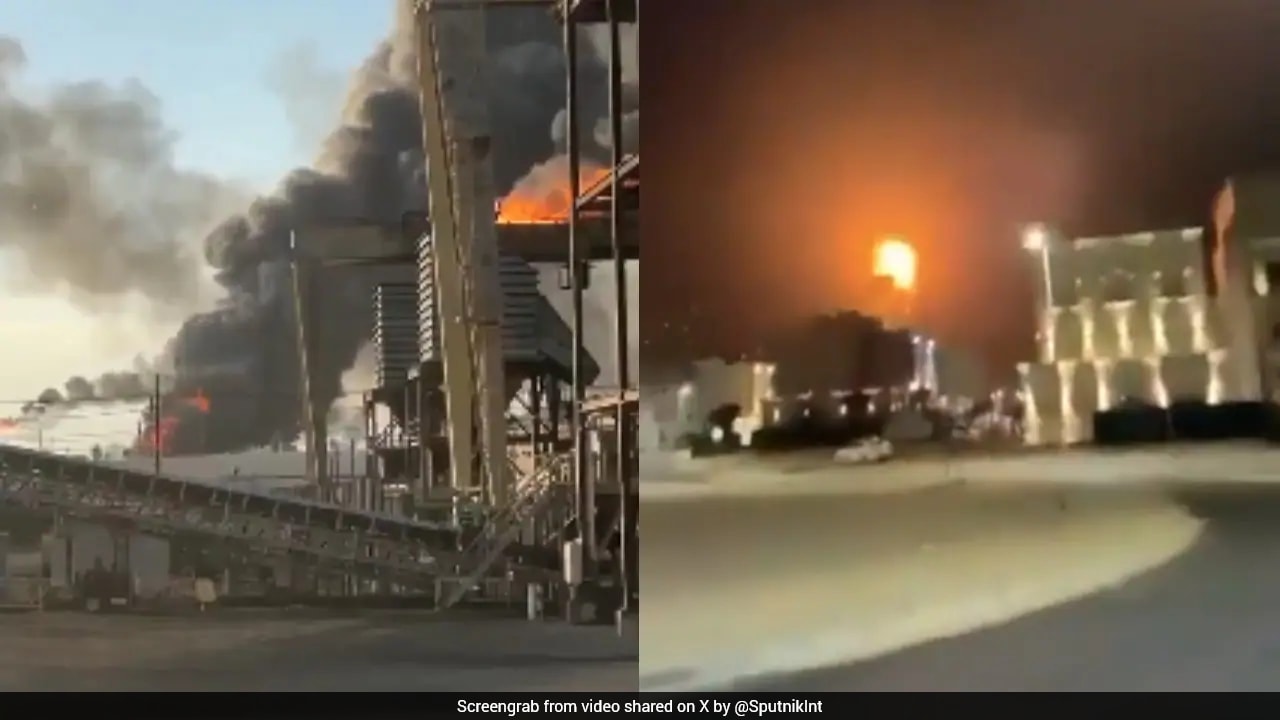
Seventy-three people are injured. Smoke billows over southern Saudi Arabia. When Yemen’s Iran-backed Houthi movement unleashed a coordinated wave of drone and missile strikes targeting Abha International Airport, the King Khalid Air Base, and critical Saudi Aramco energy installations, they shattered any illusions that the region's fragile calm would hold.
If you've been tracking Middle Eastern geopolitics casually, you might view this as just another cross-border skirmish. You'd be wrong. This escalation marks the most dangerous breakdown of regional deterrence since the four-year Yemeni truce unravelled. It touches raw economic nerves, threatens global energy supply chains, and proves that proxy warfare has entered a much more aggressive phase.
Beyond the Border Crossfire
The targets weren't chosen at random. Striking the Jazan refinery complex and the Abha bulk plant means going straight for the financial jugular of the world's top crude exporter.
Saudi authorities confirmed that the impacts ignited intense fires, forcing temporary operational halts across multiple energy installations in provinces like Jazan and Najran. For years, Riyadh has tried to insulate its economic vision and oil output from the bleeding sore of the Yemeni civil war. These strikes prove that separation is impossible. When ground fighting heats up inside Yemen—particularly around vital coastal corridors like Mocha and the Bab el-Mandeb Strait—the spillover hits Saudi infrastructure with brutal precision.
The Strategic Pressure on Global Trade
Why should anyone outside the Gulf care about a few burning fuel depots? Because the battlefield overlaps directly with critical maritime choke points.
The Bab el-Mandeb Strait is a marine highway carrying massive volumes of oil, fuel, and commercial cargo between Asia, Europe, and the Middle East. As tensions in the Strait of Hormuz mounted, Saudi Arabia increasingly leaned on Red Sea shipping routes as a safer alternative outlet.
Now, the Houthis are turning that exact alternative into a high-risk zone. By declaring naval blockades and hitting land-based logistics hubs simultaneously, the group is expanding its operational reach. They aren't just defending territory anymore. They're trying to choke off economic lifelines that stretch all the way to international markets.
What Riyadh Does Next
The Saudi-led coalition's Joint Forces Command labelled the operation a reckless assault on civilian and economic targets, vowing a decisive military response to neutralize incoming threats.
Diplomatic channels are flashing red. Reports indicate that backchannel warnings have been passed to Tehran through intermediaries like Pakistan, demanding that Iran rein in its regional allies. Yet Tehran’s official stance denies direct operational command over the group's specific launch decisions, leaving a dangerous gap of accountability.
When military coalitions promise a firm response to seventy-three casualties, the cycle of retaliation rarely stops at words. Expect heavier airstrikes across northern Yemen, heightened air defense alerts across the entire Gulf peninsula, and a permanent state of high anxiety for global energy markets.
The fragile architecture of Middle Eastern stability just cracked wider open. Watch the Red Sea shipping lanes closely because the next move will dictate the economic weather for months.
73 Injured In Houthi Attack On Saudi Arabia's Airports, Aramco Oil
This video provides real-time news footage and updates regarding the recent Houthi drone and missile strikes on Saudi infrastructure.
http://googleusercontent.com/youtube_content/1