Federal immigration enforcement just crossed another dangerous line in Texas.
Protests erupted in Austin after a U.S. Immigration and Customs Enforcement officer shot and wounded a man during a traffic stop on the city's north side. The victim remains hospitalized in serious condition. Local officials, community members, and civil rights groups aren't buying the standard federal silence. They want answers, transparency, and immediate independent investigations.
If you've followed immigration policy shifts over recent years, this flashpoint shouldn't shock you. But the speed at which public anger boiled over points to a deeper, systemic breakdown in trust between local communities and federal agencies.
The Anatomy of an Austin Flashpoint
The incident unfolded near Research Boulevard and Anderson Square in Austin. According to Austin Police Chief Lisa Davis, the shooting followed a traffic stop and a short foot pursuit. A single gunshot struck the man in the upper torso.
Unlike local police-involved shootings, which usually trigger immediate local protocol, federal agents operate under a shroud of jurisdictional autonomy. That friction drove Austin Mayor Kirk Watson to demand local oversight immediately. Watson publicly stated that federal immigration officers should not investigate themselves, pushing for the Austin Police Department and Texas Rangers to act as independent third-party investigators.
You can't have true accountability when an agency polices its own actions. Austin leaders understand this reality, and they're refusing to let federal authorities control the narrative.
A Wider Pattern of Escalation Across Texas
This isn't an isolated event. It fits squarely into a troubling summer surge of aggressive immigration operations across the country. Federal arrest numbers have shattered previous records, crossing 50,000 arrests a month during peak periods.
That surge brings boots on the ground with minimal local coordination. Back in July, an ICE officer fatally shot 52-year-old Lorenzo Salgado Araujo in Houston while he headed to a construction job site. Similar high-profile use-of-force incidents have occurred from Maine to Texas, leaving communities on edge.
When federal surge tactics bypass local law enforcement communication channels, dangerous escalations become inevitable.
The Immediate Community Backlash
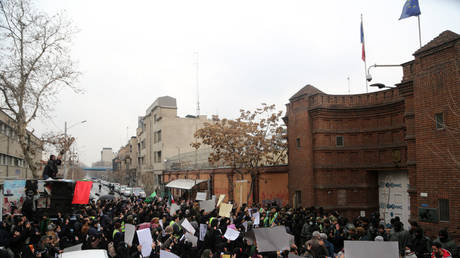
Within hours of the Austin shooting, over a hundred demonstrators swarmed the cordoned-off area under the overpass. Waving flags and holding signs labeling ICE's presence hazardous, the crowd directed intense anger at the law enforcement perimeter.
Tensions flared as evening approached. Riot-gear-equipped officers deployed pepper-ball projectiles after some protesters threw water bottles and rocks. U.S. Representative Greg Casar joined the chorus of critics, pointing out a recurring trend of federal opacity during past use-of-force incidents.
"ICE has not been truthful in shootings in other cities," Casar noted during a joint press conference.
What Happens Next
The Department of Homeland Security has largely stayed silent, refusing immediate requests for granular details or body camera transparency. That stonewalling only guarantees prolonged civil unrest.
Local governments are drawing a hard line. Demanding independent investigations, preserving third-party credibility, and questioning the necessity of aggressive federal surges in urban centers are the only ways forward. Watch how federal leadership responds to local pushback—it will set the tone for federal-local relations nationwide.
Nonprofit protests after shooting involving ICE in North Austin
This video provides a look at local advocacy groups mobilizing on the ground in North Austin following the ICE shooting incident.
http://googleusercontent.com/youtube_content/1