Emergency room pediatricians don't mince words anymore. They look at summer as trauma season, and electric scooters are driving a horrifying surge of severe pediatric injuries.
If you think an e-scooter is just a modern upgrade to a traditional kick scooter, you are dead wrong. Pediatric trauma specialists across major hospitals are reporting an exponential wave of complex fractures, concussions, and multi-organ damage among kids. These aren't minor scrapes from a fall off the curb. These are high-speed impact injuries requiring emergency surgeries, intensive care stays, and months of grueling rehabilitation.
Let's look at why this crisis is exploding and what parents need to understand before handing over the handlebars.
The Reality Behind the ER Surge
Numbers paint a grim picture. According to data from the Canadian Institute for Health Information (CIHI), national hospitalizations tied to e-scooter mishaps cross into the thousands annually. At major pediatric facilities like Toronto's Hospital for Sick Children, doctors report seeing multiple severe e-scooter crash cases every single week during the peak summer months.
Dr. Suzanne Beno, a pediatric emergency physician and co-medical director of the trauma program at SickKids, notes that injuries hit a tipping point and have effectively doubled every year.
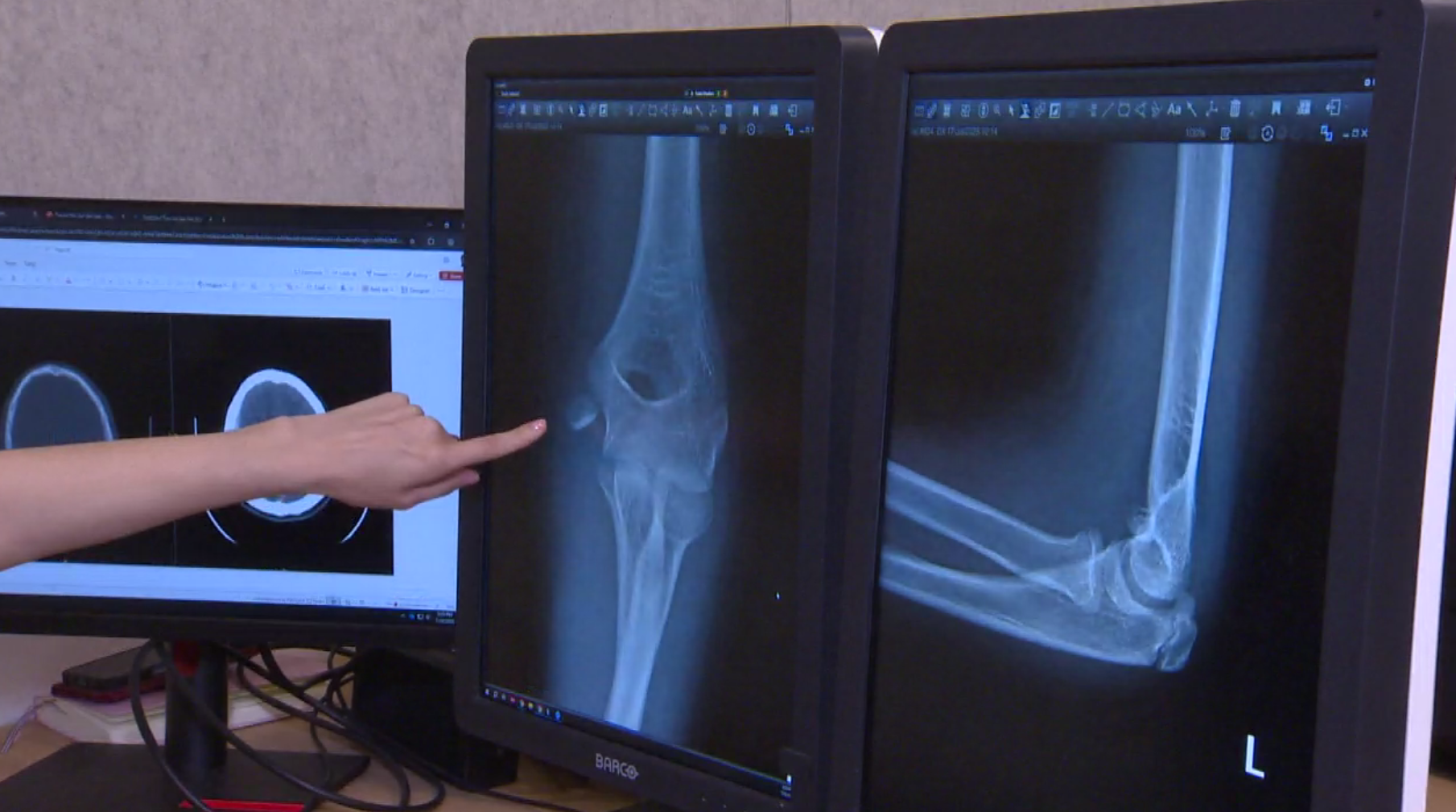
Children aren't just falling over. They are being rushed into trauma bays with severe head trauma, thoracic damage, and displaced fractures that require pins, plates, and operative intervention. Dr. Carolyn Rutten, a pediatric emergency radiologist, points out that the bone fractures seen from e-scooter impacts are far more severe and displaced than standard playground accidents.
Why Kids Are Uniquely Vulnerable
Physics and biology are working against children on these machines. Private e-scooters can reach speeds up to 50 kilometers per hour. When a child hits a pothole, clips a sidewalk edge, or loses control at those velocities, the kinetic energy is catastrophic.
Kids lack the rapid cognitive reaction times and fine motor coordination required to manage high-speed motorized transit. Dr. Sheena Belisle, a pediatrician and assistant professor at Western University, emphasizes a fundamental truth: children are simply too small, and many can barely see over the handlebars.
Unlike a bicycle or a traditional push scooter where a child's own leg power dictates the speed, an e-scooter delivers instant motor-driven acceleration. Kids twist the throttle before they understand how to brake or recover balance.
The Myth of the Harmless Neighborhood Toy
Marketing has framed e-scooters as eco-friendly urban toys. That label is dangerous. They are motorized vehicles capable of severe bodily harm.
Trauma surgeons note that many young patients arrive at the hospital without helmets. Even when helmets are worn, standard bicycle lids are often inadequate for the high-impact speeds associated with private electric models. Traumatic brain injuries, skull fractures, and intracranial bleeding are becoming routine items on overnight shift logs.
Beyond the bones and brains, doctors treat internal organ trauma—including lacerated livers and damaged kidneys—caused by impact with the scooter's handlebars or the pavement.
What Parents Must Do Now
Legislation varies wildly by region, leaving a patchwork of rules where some provinces lack clear age restrictions altogether. You cannot rely on local laws to keep your children safe.
If you want to protect your kids, take concrete action today.
- Establish strict age limits: Pediatric experts argue children under 16 should stay off motorized scooters entirely due to developmental limitations. Stick to non-motorized alternatives that encourage physical health and natural balance.
- Treat private models differently: Never confuse low-speed rental scooters with high-performance private e-scooters that pack serious motor power and velocity.
- Enforce elite gear: If older teens or adults ride, standard bicycle helmets are the bare minimum. Full-face protection should be considered given the trajectory of facial fractures doctors see daily.
- Demand training: Treat an e-scooter with the same respect as a dirt bike or motor vehicle. Off-road or sidewalk racing without instruction is a recipe for disaster.
Stop treating these machines like casual playthings. The emergency room data speaks for itself, and ignoring the physical reality of e-scooter speeds puts children directly in the line of fire.