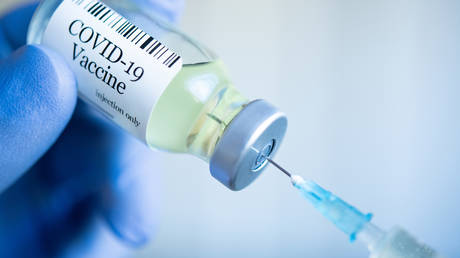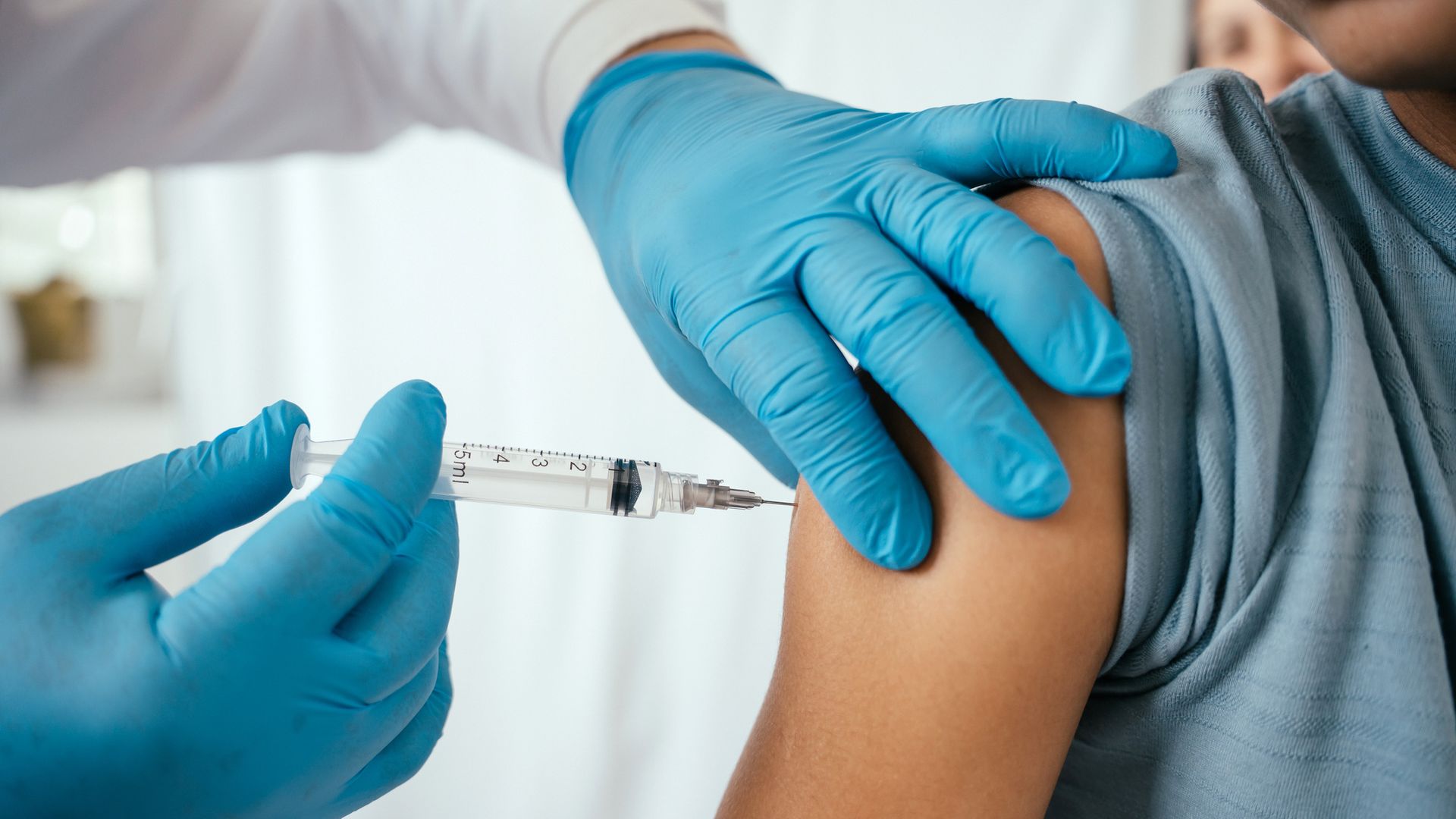
More than 6,000 pharmacies across England are opening their doors to give children flu vaccines for the first time if they missed theirs at school, right as hospital flu admissions spike to their highest mid-November level this decade. Bookings open on Monday through the NHS app and the NHS Find a Pharmacy webpage, with appointments starting on Tuesday.
Honestly, it's about time. Waiting until hospital wards are already straining under a sharp autumn wave to widen access feels reactive, yet the move itself solves a real headache for busy parents. If your child missed the school immunisation team because they were sick on rollout day, or you simply don't want to chase GP appointments during a chaotic December schedule, walking into a local high street pharmacy makes total sense.
Data published on 26 November 2026 by the UK Health Security Agency (UKHSA) shows just how fast things are moving. Weekly flu hospital admissions climbed to 8.98 per 100,000 people in week 47 (16 to 22 November), up from 5.03 per 100,000 the week before and nearly double the 4.9 per 100,000 recorded in the same week of 2025. Total new influenza hospital admissions hit 2,155 for the week, while intensive care and high-dependency unit admissions jumped from 0.16 to 0.28 per 100,000.
Why School Rollouts Leave Gaps That Pharmacies Can Close
School-based vaccination teams do a massive amount of heavy lifting, with more than 3.5 million children from Reception to Year 11 already vaccinated this season. Still, school programmes have built-in blind spots. A child calls in sick on the day the nurse visits. A consent form gets buried at the bottom of a school bag. Or a family moves and misses the catch-up window.
When that happens, parents usually face a frustrating choice. You can ring a busy GP surgery and hope a convenient slot opens up before winter hits hard, or you can shrug and hope your child skips the worst of it. Neither option works great when work shifts, siblings, and after-school clubs are already competing for every spare hour.
NHS England national medical director Professor Frankie Swords noted that the run-up to Christmas gets hectic for families, making high street pharmacy bookings a practical catch-up route for missed school jabs. From a hands-on access standpoint, community pharmacies already sit where people actually walk every week. Evening and weekend hours, familiar faces, and quick in-and-out appointments remove friction that often stops busy parents from following through.
What Young Children Face During an Early Flu Surge
Flu isn't "just a bad cold" for young kids, and emergency department numbers back that up. According to UKHSA reporting highlighted in November 2026, children under four make up the largest share of daily emergency department attendances for flu-like illnesses in England.
Vaccination uptake has also lagged behind where health officials want it. Provisional figures show uptake at 39.2% for both two- and three-year-olds, slightly behind last season's 39.8% and 40.3%, while school-aged uptake has sat around 32.1% in recent reporting. Meanwhile, nearly seven million people under 65 in clinical risk groups remain unvaccinated as of 22 November, despite conditions like chronic liver disease or severe respiratory issues raising the stakes dramatically.
Dr Suzanna McDonald, flu vaccination programme lead at UKHSA, emphasized that immunising children from age two helps prevent thousands of avoidable hospitalisations and protects younger siblings and grandparents at home. Kids are super-spreaders of respiratory viruses because close play and classroom contact pass bugs along fast, so blocking transmission in children shields the wider household too.
Nasal Spray vs. Injection: Practical Details Parents Miss
Most eligible children aged two to under 18 get the flu vaccine as a quick nasal spray rather than a needle. It's painless, takes seconds, and uses a live attenuated virus adapted to stay cool in the nose and throat rather than growing deep in the lungs.
That said, a few practical details catch parents off guard every single winter:
- Blocked or runny noses matter: If your child has a heavily bunged-up nose on appointment day, the nasal spray might not coat the nasal lining properly. Staff may postpone the spray or discuss an alternative injectable option depending on clinical guidance.
- Gelatine content is a real consideration: The standard nasal spray contains a small amount of porcine gelatine. Families who avoid pork products for religious or personal reasons can ask about cell-cultured injectable vaccines instead, which are gelatine-free and egg-free.
- Some kids need a second dose: Children under nine in clinical risk groups who haven't had a flu vaccine before may need a second dose at least four weeks later.
- Timing and side effects: Protection takes roughly two weeks to build after vaccination, so getting it done early in a surge beats waiting. Mild side effects like a sniffle, tiredness, or a sore arm usually clear within a day or two.
Here's a quick reality check on a common myth. A nasal spray flu vaccine cannot give your child full-blown influenza, even though a mild runny nose or low-grade tiredness can mimic the start of a bug. Also, if your child has a severe egg allergy, don't assume they're automatically blocked from all flu vaccines—clinicians check current UKHSA guidance and match the right product to the child's history.
What This Shift Means for Winter Health Policy
Expanding children's flu vaccination into more than 6,000 community pharmacies isn't just a seasonal stopgap. It tests whether high street pharmacies can act as a reliable safety net whenever school schedules or GP capacity fall short.
Critics and frontline pharmacists often point out a catch, though. Adding new clinical services only works if pharmacies have enough funded capacity, trained staff, and private consultation space without burning out teams already juggling prescriptions, blood pressure checks, and other vaccinations. A policy looks great on paper until a walk-in queue backs up at 4:30 PM on a rainy Tuesday.
Still, when hospital admissions are already climbing faster than last year, convenience wins. Giving parents an extra, straightforward way to protect their kids before peak midwinter circulation is a smart move—even if it should've been standard practice sooner.
Practical Next Steps If Your Child Missed Their Jab
- Check eligibility first: Confirm whether your child is in an eligible group for the 2026/2027 season, such as aged two or three on 31 August 2026, in Reception to Year 11, or aged six months to under 18 in a clinical risk group.
- Book through official NHS channels: Watch for bookings opening on Monday via the NHS app or the NHS Find a Pharmacy webpage, with appointments starting on Tuesday.
- Flag health and ingredient questions early: Tell the pharmacy team if your child has severe allergies, asthma, a weakened immune system, heavy nasal congestion, or if you need a gelatine-free option.
- Watch for red-flag symptoms if already unwell: If your child already has flu-like symptoms and develops trouble breathing, chest pain, extreme drowsiness, dehydration, or symptoms that worsen after seeming to improve, seek urgent medical advice right away.