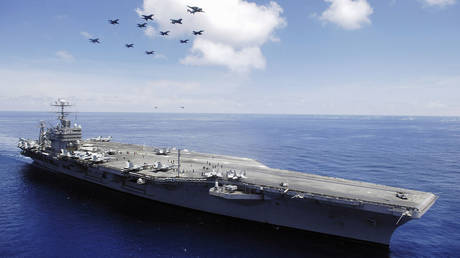
Running a nuclear-powered warship near a war zone is exhausting. Doing it for nine straight months without a break is breaking people.
If you look past the official press releases, the reality aboard the USS Abraham Lincoln looks grim. More than 5,000 sailors and Marines are currently stuck in a brutal operational cycle supporting combat operations against Iran. They aren't just fighting an enemy across the water. They are fighting sleep deprivation, failing sanitation, and empty pantries. In other news, read about: France Just Drew A Hard Line On Assisted Dying And Teen Screens.
Families back home are sounding alarms that the Pentagon keeps trying to silence. When a crew gets pushed this far past normal deployment limits, safety margins evaporate.
The Grind of an Endless Deployment
Most modern naval deployments have a hard expiration date. Six months is standard. Seven is pushing it. The Lincoln shattered those norms by logging over 200 continuous days at sea, smashing modern records for endurance. USA.gov has also covered this fascinating subject in extensive detail.
That sounds impressive on a PowerPoint slide in Washington. On the ship, it translates into pure misery.
Sailors work relentless shifts under constant threat conditions. Jet fuel smells permeate everything. Sleep is interrupted by flight deck operations overhead. When you live in cramped berthing compartments for three quarters of a year, minor annoyances turn into major psychological breaking points.
Empty Pantries and Broken Showers
The physical conditions on board have triggered outrage among military families. Reports compiled from sailor messages and family advocacy groups paint a bleak picture of daily life.
- Food Scarcity: Crew members have reported receiving meager portions, such as single-item trays or meals consisting of basic starches like rice and tortillas. Fresh milk vanished for months at a time.
- Hygiene Failures: Showers have frequently broken down or suffered from mold, while ships stores ran low on basic toiletries.
- Communication Blackouts: With mail delivery suspended across Middle Eastern military posts, physical care packages from home sit in limbo, cutting off a vital psychological lifeline.
Official channels push back hard against these accounts. Pentagon leadership and naval spokespeople insist that vessels maintain over thirty days of food supplies and that provisions remain healthy and adequate. Yet, the sheer volume of distressed messages leaking out through family networks tells a different story.
The Human Cost of Long-Term Blockades
When morale plummets on a warship, the consequences can turn fatal. Recent accounts indicate that the psychological strain has driven some crew members to extremes, with multiple reports of sailors attempting to jump overboard. Quick-thinking peers have intervened in several instances, pulling colleagues back from the edge just in time.
Medical holds and psychological observations are spiking. Shipboard therapists have reportedly warned that without immediate port time, personnel risk complete psychological meltdowns.
You can't substitute operational necessity for basic human care indefinitely. Ships need maintenance, but more importantly, human beings need rest, decent food, and a reason to believe their deployment has a clear endpoint. Until relief arrives, the crew of the Lincoln remains trapped in a grueling holding pattern where survival itself is a daily battle.
Rotten Food, Broken Toilets”: USS Abraham Lincoln Sailor Texts REVEAL 9-Month HELL At Sea
This video provides an in-depth look at the leaked messages from sailors detailing the harsh conditions and food shortages aboard the deployed carrier.
http://googleusercontent.com/youtube_content/1