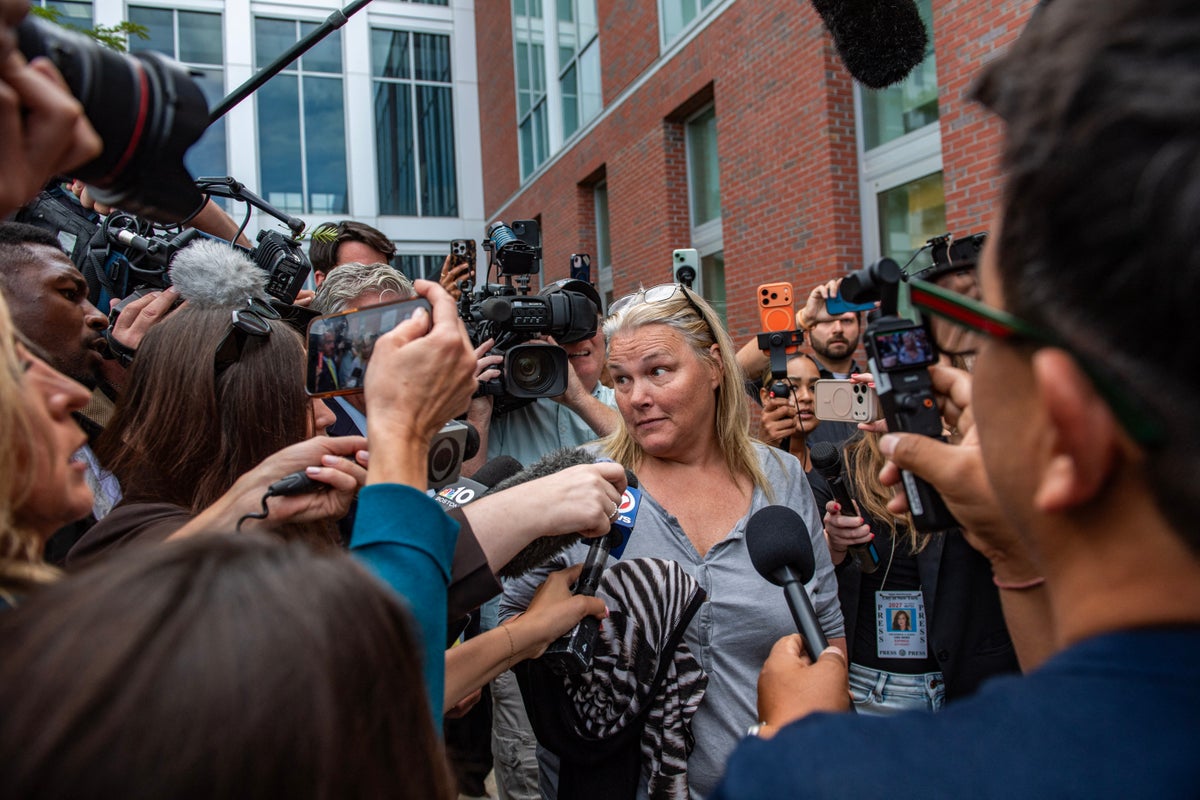
High-profile murder trials attract obsessed spectators, but few cases blur the line between public interest and illegal jury tampering quite like the chaos surrounding the Lindsay Clancy proceedings. When a self-described "crime junkie" and Clancy supporter named Dawn Light was arrested outside the Plymouth District Courthouse for allegedly filming jurors, it laid bare the toxic intersection of true crime obsession, social media frenzy, and basic courtroom security.
Let's look at what actually happened. Light, a 56-year-old resident of Sutton, Massachusetts, found herself in handcuffs on a Tuesday afternoon. State police took her into custody after prosecutors said she parked in a restricted zone behind the courthouse and recorded members of the jury as they left the building. Jurors were deadlocked at the time, wrestling with a fifth day of tense deliberations over whether Clancy was criminally responsible for killing her three children. In other updates, take a look at: Why The Imf Deal Is Exposing The Real Tension Between Faye And Sonko.
The arrest forced Judge William Sullivan to interrupt the trial workflow, calling jurors up individually to ensure they hadn't been compromised or intimidated by the incident. It is a textbook example of how outside interference threatens the fundamental right to a fair trial.
The Excuse Versus the Evidence
When Light appeared for her arraignment the next morning, her defense attorney claimed the whole thing was a massive misunderstanding. The argument was simple: Light supposedly wanted to photograph Clancy leaving in a transport van, not the jurors. Al Jazeera has also covered this fascinating topic in extensive detail.
Prosecutors weren't buying it. Assistant District Attorney Nicole Piacentini pointed out a damning detail during the hearing. When state troopers confronted Light, she denied recording jurors. Yet, a search of her phone revealed video files of the jury hidden neatly inside the deleted-files folder.
Light faces a serious charge of aggravated intimidation of a witness, juror, or person furnishing information. She pleaded not guilty and was released without cash bail, though the judge slapped her with strict stay-away orders regarding the courthouse, witnesses, and jury members.
Why True Crime Culture Is Becoming a Liability
True crime has exploded into a massive digital entertainment industry, transforming courtrooms into spectator sports. Livestreams capture every nuance, chat rooms erupt with instant verdicts, and online sleubs treat real human tragedies like interactive mystery boxes.
But there's a steep cost to this voyeurism. When spectators cross the barrier from watching to stalking, they actively undermine the justice system. Jurors sign up for civic duty, not to be tracked down, filmed, or harassed by people obsessed with high-profile defendants. Massachusetts law explicitly bans photographing or filming jurors until a case concludes, and for good reason. Jury tampering destroys the integrity of a verdict.
What This Means for the Rest of the Trial
Incidents like this add immense pressure to an already emotionally charged case. Clancy's defense team and prosecutors are navigating complex questions surrounding severe postpartum mental health issues, making the jury's job extraordinarily heavy even without outside distractions. When onlookers treat the proceedings like a convention, they risk forcing mistrials and dragging grieving families through endless legal purgatory.
If you are following major court cases online or in person, remember that the rules aren't arbitrary guidelines. They exist to protect the constitutional framework. Respect the boundaries of the courtroom, leave the jurors alone, and let the justice system function without digital vigilantism getting in the way.
Woman Arrested For Allegedly Photographing Lindsay Clancy Jurors
This video provides on-the-ground news coverage and details regarding the arrest of the woman accused of filming jurors outside the courthouse during the Lindsay Clancy trial.
http://googleusercontent.com/youtube_content/1


_underway_on_8_April_2017.JPG/330px-USS_Gerald_R._Ford_(CVN-78)_underway_on_8_April_2017.JPG)