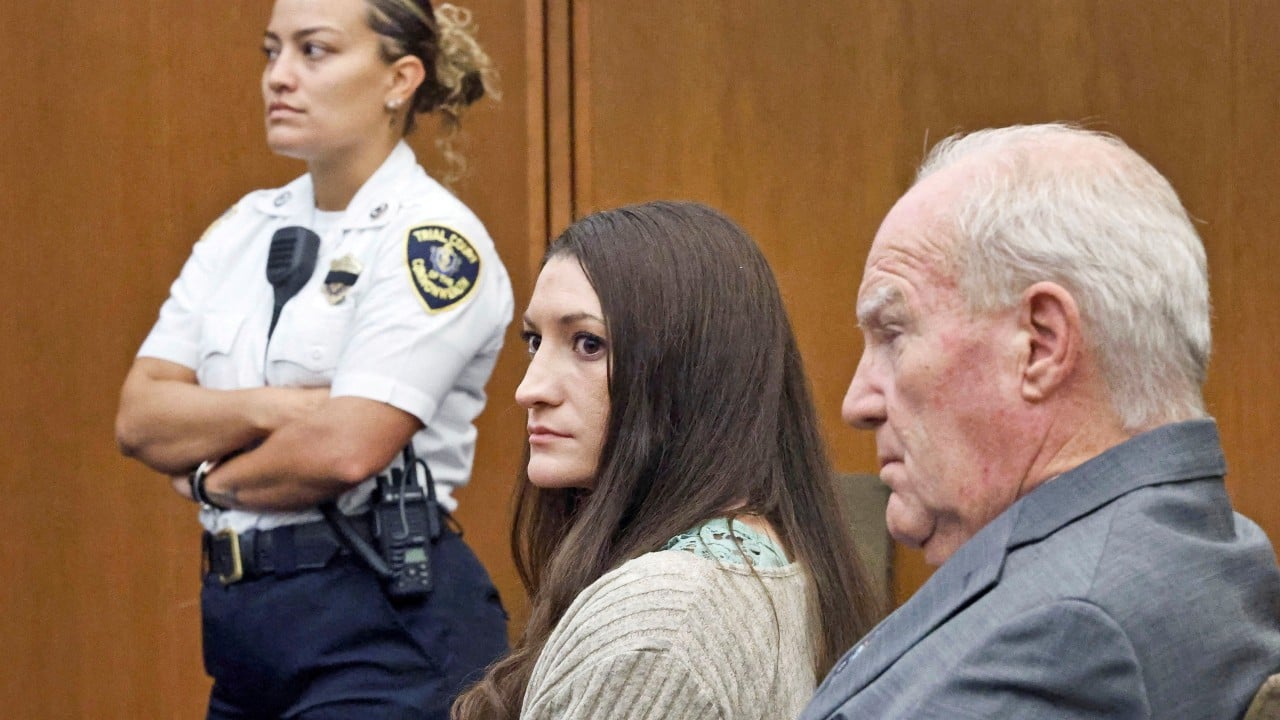
High-profile legal battles rarely end cleanly. When a jury deadlocks after weeks of intense testimony, the fallout exposes deep fractures in how everyday people interpret tragic evidence. In the middle of September 2026, the murder trial of Lindsay Clancy ground to a halt when a Plymouth Superior Court judge declared a mistrial. Eleven jurors were ready to clear Clancy of criminal responsibility due to severe mental illness. One lone holdout stood in the way, shattering what should have been a unanimous verdict and leaving a scarred community searching for answers.
Attorney Kevin Reddington didn't mince words after the gavel dropped. He argued that his client shouldn't face a second trial at all, filing motions urging the judge to enter a finding of not guilty by reason of insanity. Prosecutors claimed Clancy knew exactly what she was doing when she strangled her three young children in 2023 before attempting to take her own life. Defense teams and forensic experts countered with overwhelming evidence of postpartum psychosis. The core legal battle wasn't about whether Clancy committed the acts, but whether she possessed the cognitive capacity to understand their wrongfulness during a severe psychiatric crisis.
Inside the Deliberation Room
Talking to reporters after a mistrial is rare, but the jurors in this case peeled back the curtain on seven days of agonizing deliberations. Foreperson Roni Carlson and fellow panel members described a tense, emotional environment. At the start, the room was deeply divided. Slowly, through meticulous reviews of expert testimony and audio evidence, 11 of the 12 jurors shifted their perspective. They concluded that Clancy's actions stemmed from a total break with reality.
Then came the impasse. According to public statements from jurors like Carlson and Nick Dargie, the lone holdout admitted to having reasonable doubt. Under standard legal instructions, a juror experiencing reasonable doubt must vote to acquit. Instead, the holdout balked at signing the forms, refusing to officially label Clancy not guilty by reason of insanity. Frustration boiled over into open confrontation. Some jurors described erratic behavior, including a refusal to cite actual trial evidence and moments of complete disengagement.
When a single juror digs their heels in, the entire justice engine stalls. The system relies entirely on good-faith participation. If someone enters the room with a fixed agenda or an inability to process legal definitions of insanity, the process breaks down completely.
The Legal Battle Over a Second Trial
Now, the focus shifts to whether prosecutors will push for a grueling retrial. Reddington's recent legal filings argue that no rational jury could find Clancy sane given that even the state's own experts acknowledged her severe mental illness. Routine competence—such as driving a car or running errands hours prior to a tragic episode—does not prove sanity during an acute psychological emergency.
If you've ever watched a complex insanity defense unfold, you know how hard it is for juries to separate the horrific nature of a crime from the defendant's mental state. Jurors look at photos, listen to desperate 911 calls, and stare directly at a mother who destroyed her family. Overcoming that visceral horror requires profound emotional detachment and rigorous adherence to the law. Eleven people managed that difficult mental shift. One person could not.
Why This Case Still Matters
The Lindsay Clancy case dragged maternal mental health into the harsh spotlight of public scrutiny. Millions watched the proceedings unfold, debating the invisible terror of postpartum psychosis versus the cold framework of criminal liability. The mistrial leaves everyone in limbo. Victims' families are denied closure, jurors lost weeks of their lives to a dead end, and the defense faces the prospect of reliving a nightmare in a second courtroom battle.
You can't fix a broken jury system easily, but this case exposes the vulnerability of unanimity requirements when dealing with profoundly complex psychiatric evidence. If the district attorney decides to retry the case, attorneys will select an entirely new panel. They will roll the dice once more on whether 12 strangers can agree on the darkest edges of human suffering. Watch closely to see how the judge rules on the defense's motion for acquittal. That decision will dictate whether this tragedy finally ends or rolls forward into another painful chapter.