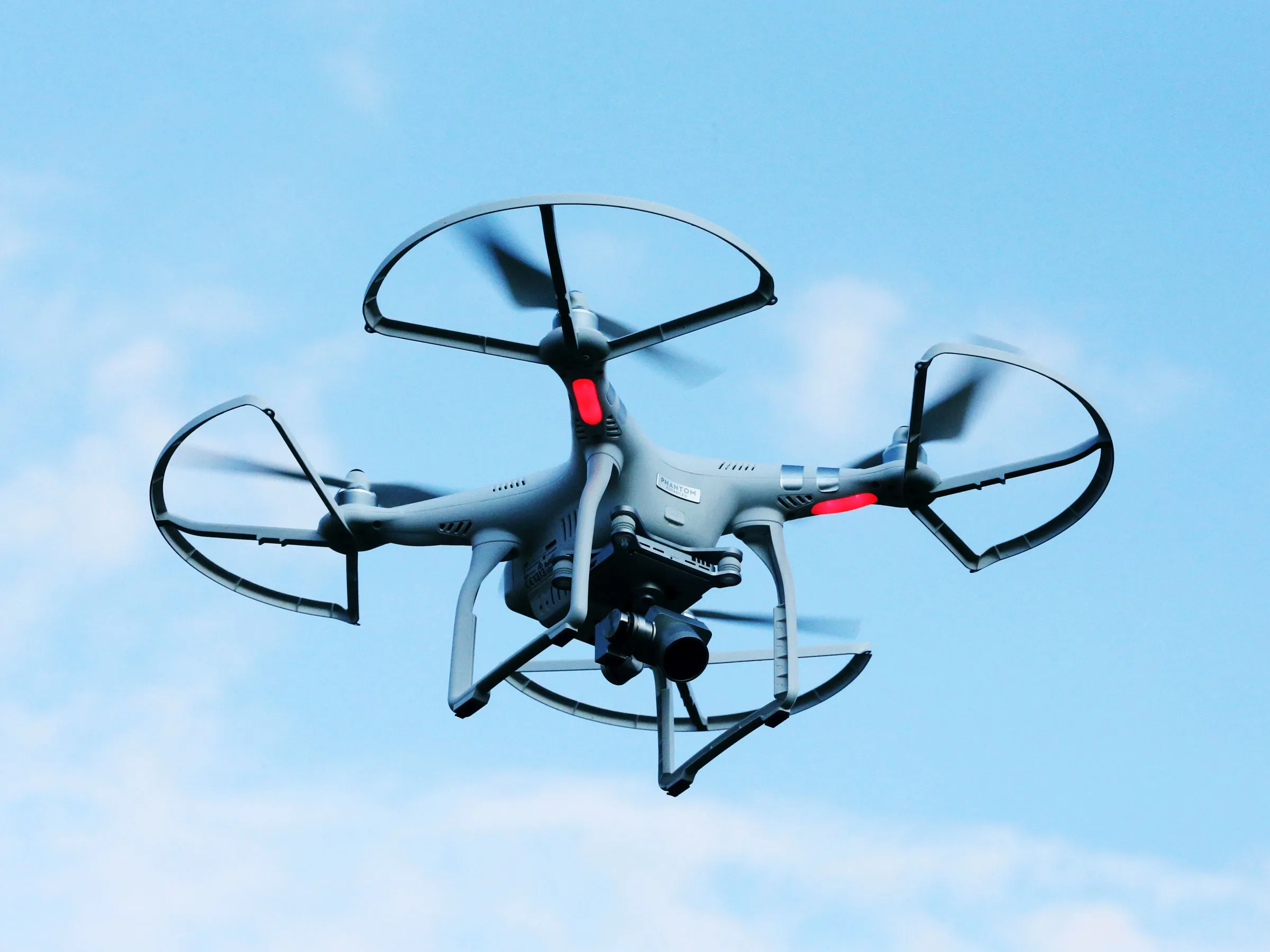
Wars used to be measured by artillery tonnage, armored columns, and miles of captured mud. Not anymore. Today, cheap domestic aircraft and long-range drones are completely redefining how nations fight, forcing a total rewrite of military strategy from the front lines in Donetsk all the way to the outskirts of Moscow. If you're still looking at modern defense through the lens of traditional 20th-century armor, you're missing the entire point of what's happening right now.
President Volodymyr Zelenskyy recently pointed out that these complex, deep-strike operations aren't the brainchild of just one person or a single elite unit. Instead, they are the product of an entire ecosystem—spanning hundreds of private domestic tech companies, intelligence agencies, taxpayers, and frontline soldiers. Hundreds of specialized manufacturing shops inside Ukraine are pumping out custom aerial vehicles, missiles, and unmanned systems designed to bypass heavy air defense networks and hit high-value targets deep inside Russian territory. For an alternative view, read: this related article.
The Shift Toward Mass Produced Deep Strikes
Let's look at the actual mechanics on the ground. When hundreds of uncrewed aircraft swarm toward the Moscow region overnight—forcing air defense units to scramble and intercept dozens before they touch down—the strategic calculus changes entirely. This isn't just about tactical harassment. It's about imposing a massive economic and psychological cost on the aggressor.
Building a multi-million-dollar air defense battery to swat down a cheap, mass-produced flying wing is a losing financial game. Traditional militaries built their doctrines around expensive, exquisite hardware. Ukraine and its domestic defense sector flipped that model on its head. They proved that commercial components, off-the-shelf electronics, and local ingenuity can construct long-range strike tools capable of threatening oil refineries, radar arrays, and command posts hundreds of miles away. Related insight on this trend has been published by USA.gov.
Why Traditional Defense Systems Are Struggling
You can't shoot your way out of a drone saturation problem with limited interceptors. Russia's vast territory makes absolute air defense mathematically impossible. When unmanned platforms can fly pre-programmed routes or utilize autonomous terminal guidance to avoid electronic jamming, static radar nets start looking completely obsolete.
And the technology doesn't stop in the air. Ground-based robotic systems are quietly transforming logistics, mining operations, and frontline supply routes. Reusable quadcopters like the Vampire can haul heavy ordnance, drop anti-tank mines on critical supply lines, and return safely to base multiple times a day. This keeps human operators tucked safely away from direct artillery fire while maintaining relentless pressure on enemy logistics.
The Diplomatic and Industrial Pressure Cooker
Drones are also driving high-stakes diplomacy. As political leaders coordinate high-level meetings—such as ongoing discussions between Kyiv and Washington regarding defense manufacturing licenses and air security proposals—the battlefield reality remains the ultimate bargaining chip. When a nation can manufacture its own long-range strike capabilities domestically rather than waiting entirely for foreign handouts, its leverage at the negotiating table shifts dramatically.
The lesson for global military planners is brutal and clear. Future conflicts will be decided by industrial scalability, software adaptability, and how fast you can iterate on cheap hardware. If your defense strategy relies on a handful of expensive, slow-to-replace platforms, you are already fighting the last war.
Adapt your procurement pipelines, decentralize your manufacturing, or get left behind.