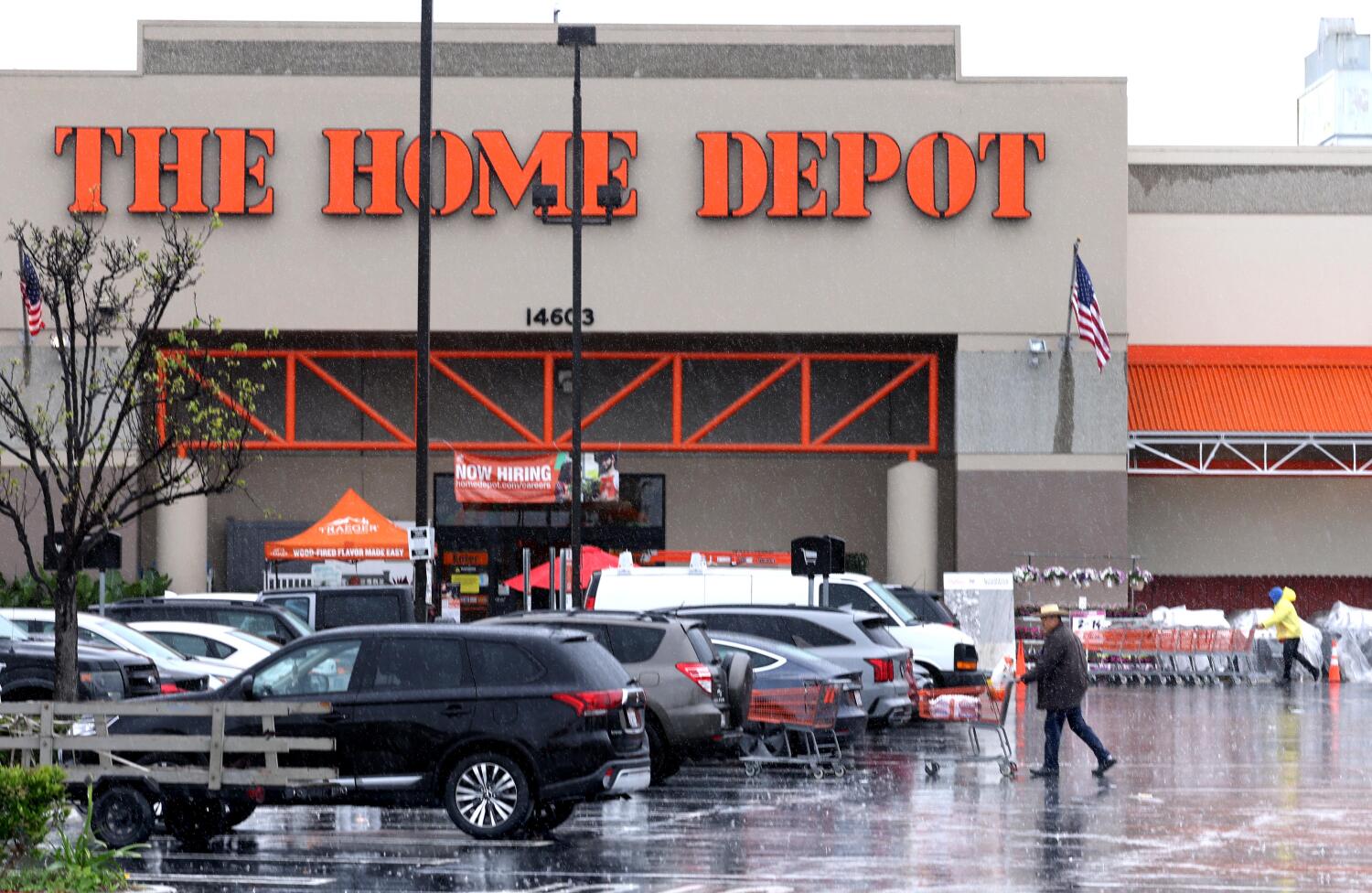
Rainwater hits an asphalt parking lot in Los Angeles and doesn't just disappear. It picks up copper dust from brake pads, zinc from tires, oil from engines, and trash bacteria before washing straight into local creeks, rivers, and the Pacific Ocean. For decades, taxpayers and municipal budgets absorbed the multi-million dollar cleanup bills for that mess.
That free ride is finished.
The Los Angeles Regional Water Quality Control Board voted to adopt a first-of-its-kind regulatory framework forcing massive commercial properties to clean up their own stormwater. If you own a large shopping center, distribution hub, private hospital, or office park with sprawling pavement in specific watersheds, the rules have completely shifted.
Who Gets Hit by the New Rules
The initial wave targets roughly 600 commercial and industrial properties across the Los Angeles area. Specifically, this applies to privately owned sites featuring at least five acres of impervious surfaces—meaning concrete and asphalt that block water from soaking naturally into the ground.
These properties sit primarily within the Dominguez Channel and Los Cerritos Channel watersheds, areas historically hammered by heavy urban runoff. Cities like Torrance, Carson, Gardena, Lakewood, and Long Beach bear the brunt of this drainage.
David Nahai, chair of the L.A. water board, pointed out that the policy directly confronts the ecological toll of an urban landscape paved over with concrete. Instead of treating municipal storm drains as a free dumping ground for commercial debris, the state is shifting liability back to the entities generating the contamination.
The Real Cost of Commercial Pavement
Why target parking lots? Scale matters. Massive commercial lots accumulate years of heavy metal residue and chemical buildup between rainstorms. When a storm finally hits Southern California, the deluge sweeps that toxic cocktail straight into municipal systems that were never engineered to filter out industrial chemicals.
Environmental advocates like Bruce Reznik of Los Angeles Waterkeeper argue that cities have shouldered an unfair financial burden for thirty years. Public funds paid to scrub harbors and dredge channels while corporate warehouse owners and big-box retailers walked away scot-free.
Business groups push back hard against this narrative. Representatives from organizations like the Los Angeles County Business Federation argue that commercial property owners already pay steep property taxes, including special local assessments earmarked for stormwater remediation. Adding another layer of direct permitting requirements feels like a double penalty to business owners navigating an already expensive operating climate in California.
Compliance Options for Property Owners
Covered businesses won't all face the exact same mandate. Regulators built flexibility into the framework, giving property owners three primary pathways to achieve compliance:
- On-site retrofits: Install permeable pavement, underground retention cisterns, or bioretention basins to capture and filter rain where it falls.
- Regional infrastructure funding: Contribute financial support to broader regional stormwater capture projects managed by local municipalities.
- Discharge limits: Treat runoff directly on-site to meet strict numeric pollutant thresholds before letting water leave the property boundary.
Each option carries a distinct price tag. Retrofitting an existing five-acre parking lot demands significant capital expenditure. On the flip side, funding regional projects offers a hands-off approach for corporations that lack the physical space to build retention vaults on-site.
What Happens Next Across California
Los Angeles is acting as the testing ground for a much larger statewide shift. Environmental legal groups, including the California Coastkeeper Alliance, have already filed petitions with six other regional water boards across the state, demanding identical commercial stormwater mandates.
If those petitions succeed, the regulatory exemption enjoyed by shopping malls and logistics hubs everywhere will evaporate. Business coalitions have signaled intentions to appeal the decision, warning that compliance costs will inevitably trickle down to retail tenants and consumers.
The legal battles will take time to play out. However, the core expectation has changed permanently. Pavement owners must account for every drop of rain that leaves their property.