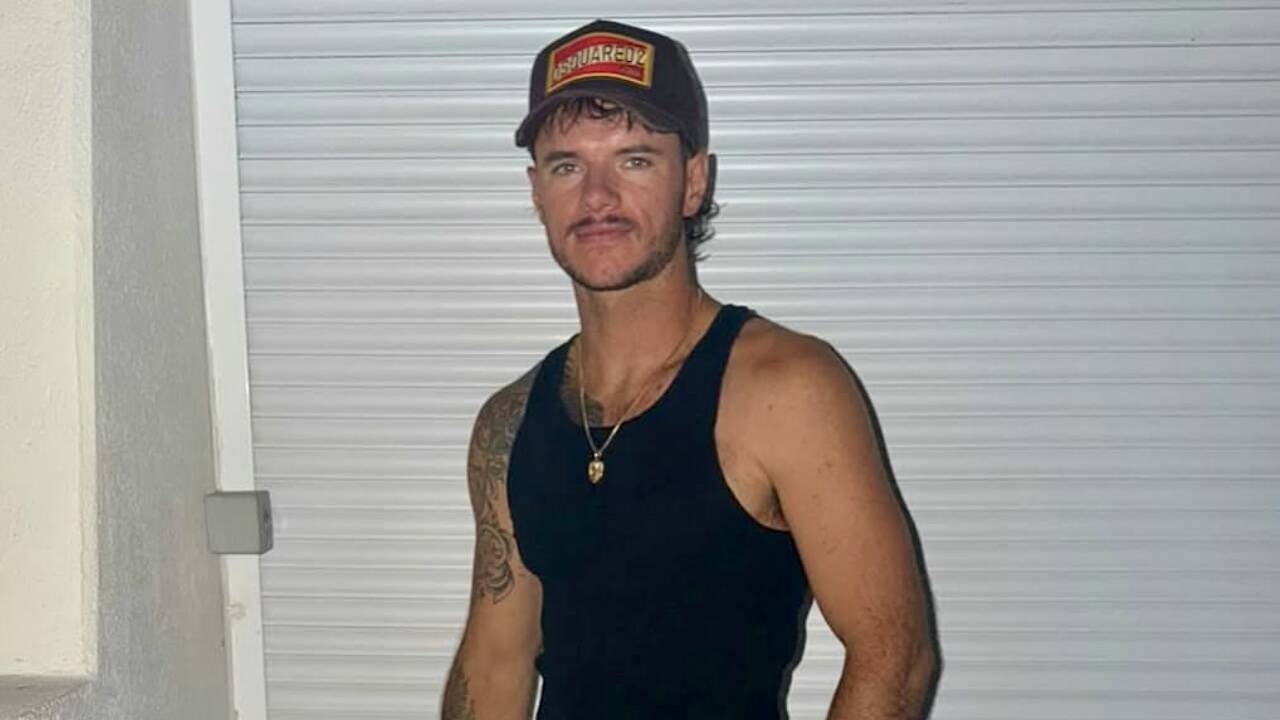
Another week, another reality television casting disaster. Peacock just booted Alannah Keyser from the eighth season of Love Island USA. She lasted less than six days in the villa before the internet did what network executives apparently cannot do: a basic background check.
During the broadcast on Thursday, June 25, 2026, narrator Iain Stirling delivered the swift execution in a single sentence. "Alannah has left Casa Amor." Just like that, the 21-year-old University of Southern California student from Miami was erased from the show. Her crime? Resurfaced social media posts showing her using a racial slur.
This isn't an isolated incident. It is becoming a predictable pattern for the franchise.
The Internet Always Finds the Receipts
Keyser entered the villa on June 21 as a Casa Amor bombshell. She immediately hit it off with contestant Zach Georgiou. While they were sharing screen time, fans were busy digging up her past. Within hours, a selfie-style Snapchat video started circulating on X and Reddit. The clip showed Keyser lip-syncing to the song "The Box" by Roddy Ricch, specifically emphasizing the N-word. Soon after, an old Instagram comment surfaced where she used the same slur as a derogatory pun.
By Tuesday, production began editing her out of the episodes. By Thursday, she was gone.
Production sources claim these videos were originally posted to private accounts. Because they weren't public, they didn't show up during the initial screening process. The network only learned about them when the internet weaponized its collective digital investigative skills.
Let's look at the numbers. This is the second time this season alone that a contestant has been dropped for racist language. Before Season 8 even premiered, Vasana Montgomery got cut from the cast list. Internet sleuths found old videos of Montgomery using the N-word while rapping and cheering at an arcade game. Production used the exact same excuse then, claiming the videos were private until the public casting announcement dropped.
Deja Vu in the Villa
This issue isn't new for Love Island USA. Season 7 faced identical scandals last year.
- Yulissa Escobar was removed just two episodes into the season after podcast clips surfaced of her using racial slurs.
- Cierra Ortega was removed later that same season for using an anti-Asian slur, later claiming on TikTok that she had no idea the word was offensive.
Four contestants in two seasons. That is a terrible track record for a major network production.
Why the Current Vetting System is Broken
The standard defense from reality TV producers is that private accounts are a blind spot. That excuse is wearing thin. When a multi-million dollar network relies on teenage fans on Twitter to police its cast, the system is fundamentally broken.
Traditional background checks look for criminal records, credit issues, and public public-relations nightmares. They don't dig into private archives. But if fans can find these videos within twenty minutes of a cast announcement, casting agencies have no excuse for missing them. They need to adapt.
What Happens Next for Reality Casting
Production companies have to change how they vet talent if they want to avoid these mid-season disruptions.
Demand Full Archival Access
Producers must require potential cast members to hand over complete data downloads of their social media history during the final rounds of casting. Platforms like Instagram, Snapchat, and TikTok allow users to download their entire history. If an applicant refuses to provide those archives, they shouldn't get the job.
Focus on Digital Footprints Early
Vetting needs to happen months before the cast is finalized, not days before filming begins. Networks spend millions on set design and host salaries but seemingly pennies on digital forensics. Shifting resources toward deep internet searches will save production costs spent on editing contestants out of storylines later.
The lesson here is simple. The internet does not forget, and it definitely does not forgive. Networks need to start searching as thoroughly as their viewers do, or they will keep repeating this exact same cycle every single season.