Power inside Washington orbits rarely forgives public embarrassment. When the White House abruptly forced out high-profile figures, it exposed a hard truth about modern political loyalty. You can spend years campaigning, fundraising, and defending every controversial statement, but a single scandal can erase your standing overnight.
Let's look at what actually happened with Kimberly Guilfoyle's tenure as U.S. ambassador to Greece and the baptism of fire facing new Press Secretary Katie Zacharia.
The Downfall of a Loyal Ally
Kimberly Guilfoyle spent years as a fixture of Trump's political universe. From her media days to steering massive fundraising efforts for the 2020 campaign, she positioned herself as core family royalty. Her appointment as ambassador to Greece felt like a standard reward for fierce, unwavering allegiance.
Then came the allegations. Reports surfaced that she had solicited financial assistance from a donor to cover personal expenses ahead of her confirmation hearing. Additional friction piled up over controversial remarks about Greek officials and diplomatic missteps.
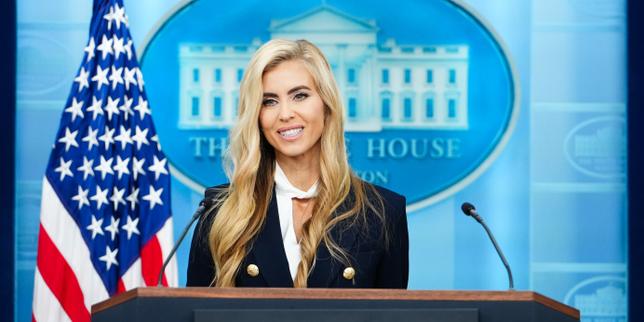
When the story broke, the administration didn't stall or offer lengthy defenses. They cut ties quickly. White House Press Secretary Katie Zacharia stood at the podium and delivered the blunt confirmation that the administration had asked for Guilfoyle's resignation.
Katie Zacharia Steps Into the Fire
For Zacharia, handling this high-profile ouster marked an intense debut in the White House spotlight. Stepping into the role of press secretary during a mid-term political squeeze means you don't get a honeymoon period. Every answer is parsed, every hesitation is dissected by cable news networks, and every crisis management move sets the tone for the executive branch's narrative.
Managing the rapid exit of a prominent appointee like Guilfoyle on day one tests a spokesperson's ability to balance transparency with message control. Zacharia navigated the briefing by sticking to the script, acknowledging the resignation without bogging down in emotional defenses. It's a clear signal of how this administration operates under pressure: when a liability becomes too loud, the priority shifts entirely to self-preservation and swift damage control.
What This Means for Political Ambitions
People often wonder how proximity to power translates into long-term security. The reality is transactional. Being close to the inner circle grants immense visibility, but it also places a massive target on your back.
If you are looking at how modern political appointments work, keep these realities in mind:
- Visibility attracts scrutiny: The brighter the spotlight, the faster minor missteps turn into career-ending headlines.
- Transactions trump history: Years of loyalty won't shield an official once public pressure reaches a boiling point.
- The communications machine is ruthless: When a crisis hits, spokespeople like Zacharia are deployed to close the loop immediately, cutting off prolonged debates.
Personal loyalty is a currency with a floating exchange rate in Washington. When the cost of keeping someone outweighs the benefit, the exit door opens fast. Guilfoyle's departure proves that no title is permanent when optics turn toxic.