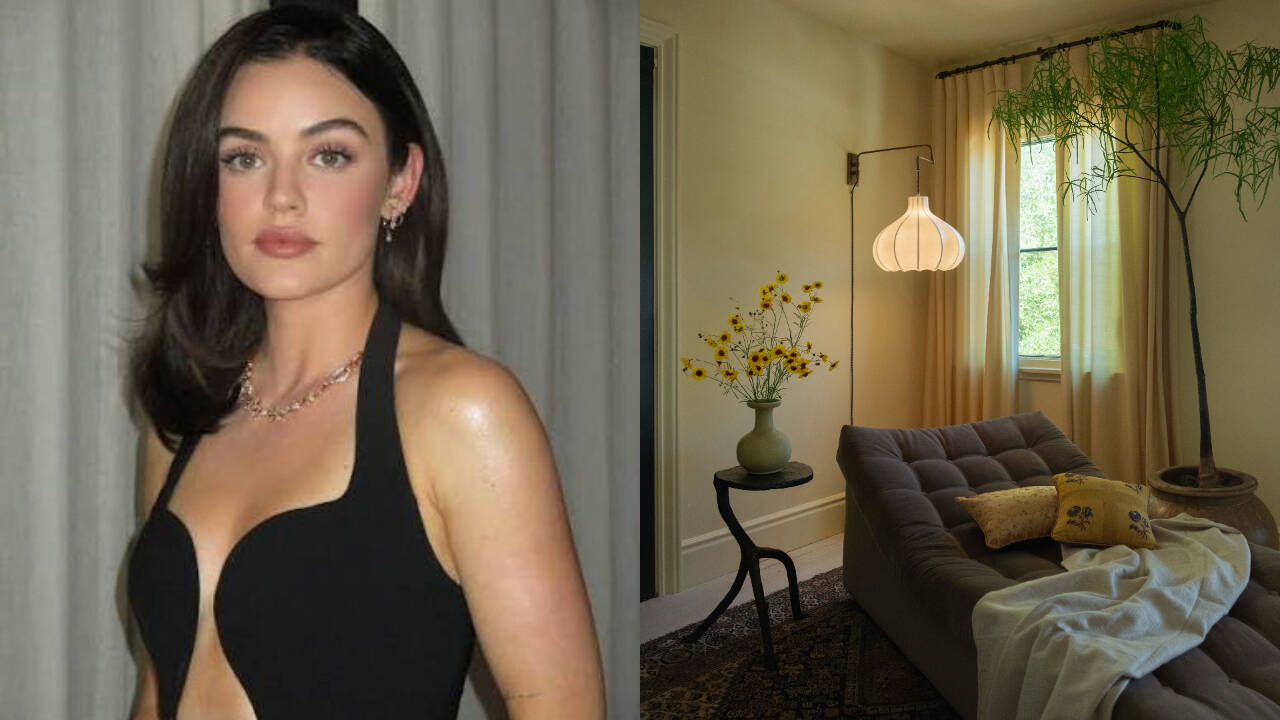
Houses tell stories we usually keep to ourselves. When actor Lucy Hale dropped $2.95 million in 2019 on a 1940s Spanish-style home tucked away in Studio City, Los Angeles, she bought it as a quiet escape from Hollywood. Back then, the 2,750-square-foot property featured walnut flooring, high ceilings, and a neutral, farmhouse-inspired aesthetic meant to soothe the nerves of someone who had spent her entire youth in front of cameras.
Fast forward to 2022, a massive personal shift hit. Hale chose sobriety. That single turning point changed everything about how she interacted with her physical space. Neutral walls and quiet farmhouse vibes suddenly felt too sterile for a life being rebuilt with intention and vibrancy. Instead of listing the house and moving on, she spent the next three years undergoing a radical redesign with design studio Proem, turning the four-bedroom, canyon-view property into a moody, color-drenched sanctuary. Discover more on a connected subject: this related article.
Moving Beyond Neutral: The Birth of Moody Femme
When you live under studio lights for a living, you crave peace when you get home. But peace doesn't have to mean beige. Hale teamed up with designers Ashley Drost and Marie Trohman to inject real personality into every corner of the house. They landed on an aesthetic best described as moody femme.
Forget safe interior choices. The kitchen now features striking plum-coloured cabinets paired with rich aubergine tones and unexpected pink accents. The primary bedroom channels a Parisian jewel-box apartment wrapped in textured linen wall coverings that absorb light and create instant intimacy. Every room forces you to look closer. A life-size sheep sculpture greets visitors in the foyer, while quirky art adds a layer of humor to the breakfast nook. More reporting by Bloomberg explores similar perspectives on this issue.
Personal History Carved Into Wood and Glass
A house only becomes a home when it holds your history. Hale didn't just buy trendy decor off Pinterest; she baked her actual roots into the renovation.
A vintage Elvis Presley lamp sits in the media room, a clear nod to her Memphis origins and her grandmother's lifelong fandom. To bring her family's physical presence even closer, she hired Los Angeles artist Ben Tuna—known professionally as the Glass Cowboy—to craft custom stained-glass windows modeled after her grandparents' front door back in Tennessee.
Down the hallway, family photographs anchor the space, while a simple white chair in the living room serves as a quiet, deliberate tribute to her late father. These choices prove that true luxury in interior design isn't about expensive price tags. It's about surrounding yourself with physical totems of the people who shaped you.
Designing for Mental Health and Sobriety
Sobriety requires discipline, reflection, and safe spaces to process emotions. Hale didn't neglect this aspect when planning her three-year overhaul.
She converted a guest bedroom overlooking the canyon into a mint-green office where she sits down to read and work through scripts. More importantly, she built a dedicated meditation room. This space holds an altar dedicated to departed loved ones, alongside tactile comfort items like feathers and vintage Happy Meal toys. It's quirky, deeply personal, and completely unpretentious.
When you strip away alcohol and the noise of the entertainment industry, you need a physical environment that supports your clarity. Hale's home now functions as an active participant in her daily wellness routine.
What You Can Learn From This Renovation
Most people make the mistake of decorating their homes for guests rather than themselves. They pick neutral palettes to maximize resale value or follow fleeting internet trends that feel outdated eighteen months later.
Hale took the opposite approach. She waited until her life underwent a fundamental transformation before finishing her space. She let her interior grow up alongside her recovery.
If you're looking to overhaul your living space, take a cue from her timeline. Don't rush to fill every room on day one. Live in the space, figure out who you are today—not who you were five years ago—and pick colors and objects that actually mean something to you. Grab a paintbrush, hunt down vintage pieces with family history, and carve out one small corner just for your own peace of mind.