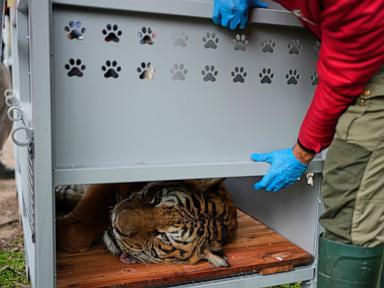
Thirty exhausted big cats stepped into giant transport crates. They left behind years of concrete misery at a shuttered facility near Buenos Aires. This massive relocation operation marks a turning point for captive wildlife rescue. Animal welfare teams are flying these lions and tigers halfway across the world to sanctuaries in South Africa and the United States.
If you've followed the dark history of the Luján Zoo, you know this day is long overdue. For years, tourists paid to pet tigers and pose for photos with lions. Behind that public spectacle sat a grim reality of cramped enclosures and neglect. Argentine authorities finally shut down the facility in 2020. Even after the closure, bureaucratic delays left the animals trapped in limbo for years.
The Logistical Nightmare of Moving Thirty Big Cats
Moving dozens of apex predators across international borders sounds impossible. It basically is. The global animal-welfare organization Four Paws managed the complex operation. They spent months preparing the cats. Handlers trained many of the lions and tigers to walk into their custom transport crates voluntarily.
Not every cat cooperated. Veterinarians had to sedate several animals, including two tigers that handlers hoisted in canvas slings. The transit routes are grueling. Nine tigers and six lions are heading to Lionsrock, a sanctuary in South Africa run by Four Paws. That facility features expansive natural enclosures sprawling across 148 acres. The remaining eight tigers and seven lions are boarding flights to Colorado. They will land at The Wild Animal Sanctuary, a vast grassland refuge northeast of Denver.
Getting them there takes flights through Chile, Frankfurt, or Amsterdam, followed by hours-long drives. You cannot just pack a tiger into a standard cargo hold. Temperature control, veterinary monitoring, and custom-built crates are mandatory.
The Heavy Toll of Captive Breeding and Neglect
When the zoo closed in 2020, about 200 big cats lived on the property. By the time Four Paws gained access to manage the site later, that number had plummeted to 62. By the time this final rescue flight launched, only 30 cats remained eligible or strong enough for the journey.
The survivors show the physical scars of their imprisonment. Many can barely walk. Years of poor nutrition, severe overcrowding, and muscle loss destroyed their mobility. Vets report chronic health issues across the remaining population:
- Severe dental and kidney disease
- Complications from improper declawing procedures
- Old injuries that healed incorrectly without medical intervention
These conditions highlight why closing roadside tourist attractions isn't enough. Governments must secure immediate funding and expert intervention for the animals left behind. Without organizations stepping in to retrain local staff and upgrade diets, closure simply prolongs a slow decline.
What Happens Next for the Rescued Cats
Rehabilitation takes years, not weeks. At Lionsrock and the Colorado sanctuary, these cats will feel grass under their paws for the first time. They will live in wide-open spaces instead of barren concrete.
The operation serves as a blueprint for shutting down abusive wildlife tourist traps globally. Governments are watching. Facilities that exploit wild animals for profit face tighter scrutiny and faster closures.
Check local wildlife protection laws before you book your next vacation. Avoid any attraction that lets you touch, ride, or pose with wild animals. Support accredited sanctuaries that put animal rehabilitation above profit.