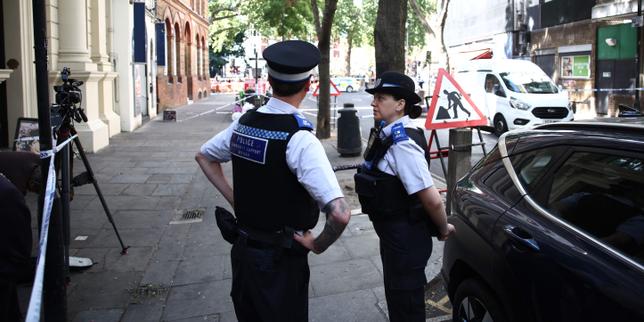
Street corners tell stories long after the police tape comes down. In Madison, Wisconsin, the intersection of Williamson and Baldwin streets became a flashpoint of raw grief, anger, and municipal failure following the fatal police shooting of Corey Ruiz. When city crews and law enforcement moved in to clear out a makeshift memorial and encampment, the ensuing clashes proved that tensions in Wisconsin's capital had reached a breaking point.
You cannot sweep community trauma under the rug and expect peace. Hours after authorities dismantled the tribute dedicated to Ruiz, protesters confronted police, exposing deep fractures between local leadership and residents demanding real accountability.
The Boiling Point on Williamson Street
The crisis didn't start the morning city workers cleared the pavement. It started weeks prior, on July 22, when a Madison police officer shot and killed Corey Ruiz during an attempted arrest. Ruiz, a homeless resident, lost his life on a busy east side street, triggering immediate outrage in a city that prides itself on progressive values yet struggles with persistent racial and economic disparities.
In the days following the shooting, an encampment materialized around the site. Volunteers and activists set up tents, food stations, and a vibrant street memorial featuring candles, flowers, and handwritten signs bearing Ruiz's name. It functioned as a dual space: a sanctuary for mourning and an active protest zone demanding structural change.
Local businesses suffered. Traffic ground to a halt due to makeshift blockades. Residents reported feeling abandoned as open drug use, sanitation issues, and safety hazards grew around the site. Yet, rather than deploying robust social services or mediating a path forward, city leadership allowed the standoff to fester for weeks.
The Breaking Point and City Action
Mayor Satya Rhodes-Conway announced plans to clear the area, citing public safety, blocked commerce, and neighborhood strain. City workers and police officers moved in to remove the barricades, tow vehicles, and clear away the Corey Ruiz memorial.
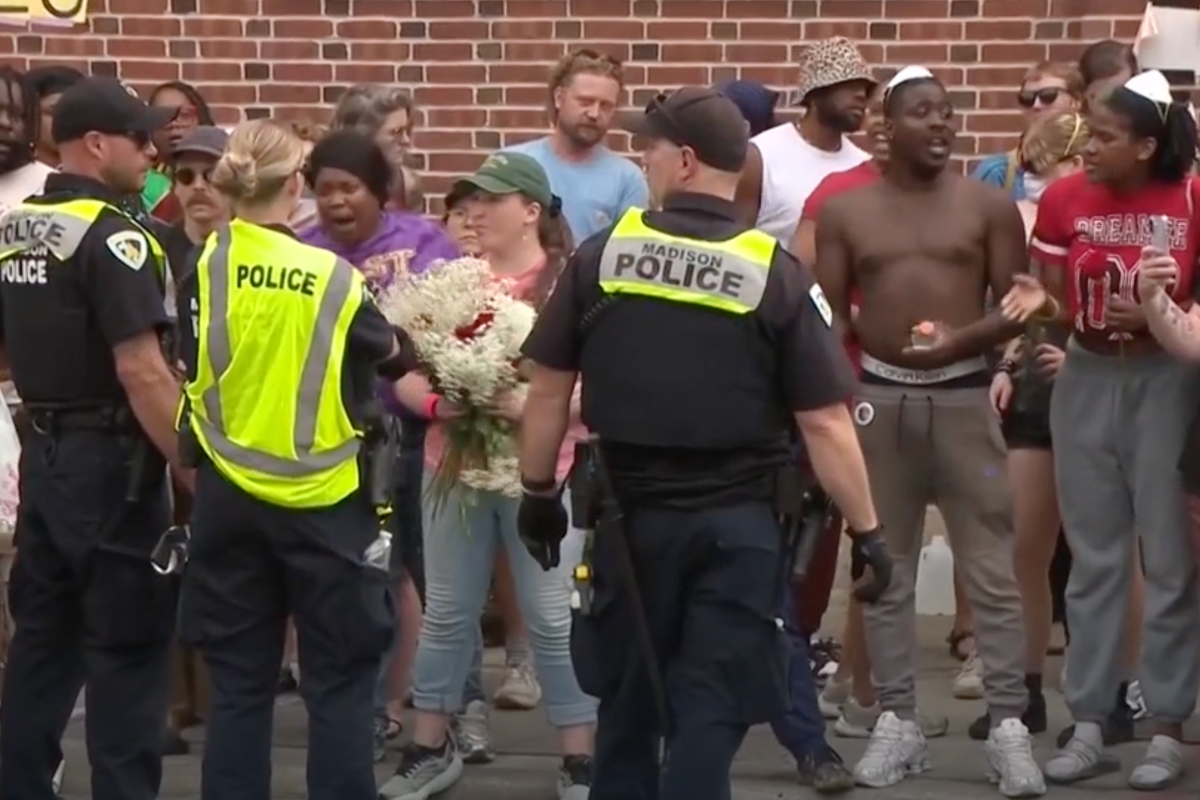
For grief-stricken activists, removing the memorial wasn't just about clearing a street. It felt like an erasure of accountability. Hours after the site was cleared, protesters clashed with police in a volatile confrontation that led to multiple arrests.
It is a familiar script in American policing crises. The city prioritizes restoring normal traffic flow and business operations over addressing the root trauma that created the protest in the first place. When you bulldoze a community's altar to a man killed by your own police force, you aren't solving public safety. You're pouring gasoline on a fire.
Why Madison's Liberal Illusion Is Shattering
Madison likes to market itself as an oasis of equity and inclusion. But walk past the surface, and you find a city grappling with severe systemic failures. This marks a painful history for the neighborhood; the Williamson Street area has now witnessed multiple fatal police shootings over the last decade and a half.
Protesters disrupted high-profile civic events, including a massive Wisconsin Chamber Orchestra concert near the state Capitol and planned public market openings, to ensure residents couldn't just look away. When you interrupt summer concerts and shut down commercial corridors, you force a comfortable populace to confront uncomfortable truths.
The core issue isn't just about tents on a road or a temporary traffic jam. It's about a city government that leans on armed police officers to manage public health crises, homelessness, and addiction. When those systems fail tragically, the state responds with riot gear and bulldozers rather than systemic reform.
Where Things Stand Now
Clearing Williamson Street reopened asphalt to cars, but it didn't heal the neighborhood. Seven people were arrested during the clearance operations, and trust between marginalized residents and the Madison Police Department sits at an all-time low.
If city officials want to prevent future clashes, they have to stop managing symptoms and start fixing foundations. That means building robust mental health response teams, investing in actual housing infrastructure, and welcoming transparent, independent oversight instead of hiding behind defensive public relations.
Memorials can be hauled away in dump trucks. Names written on pavement can be power-washed clean. But the demand for justice doesn't disappear just because the street is clear.