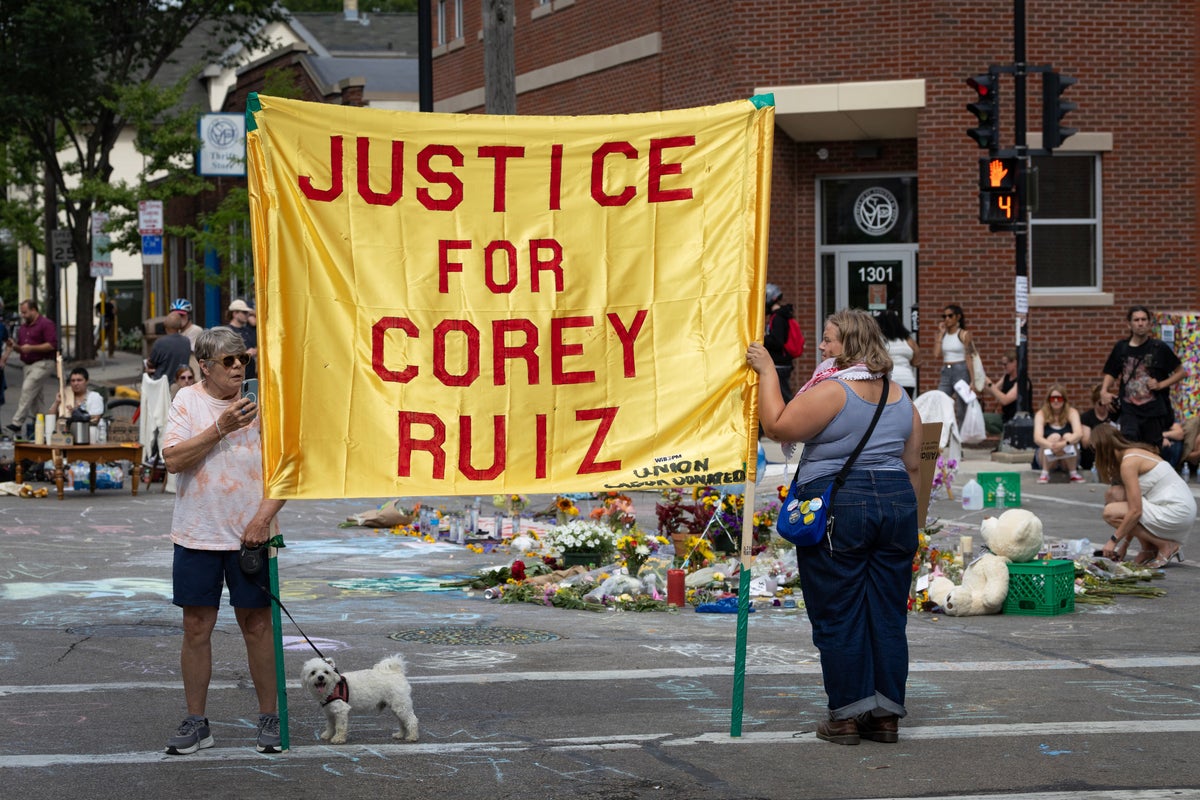
Transparency in fatal police encounters rarely moves fast, but the spotlight in Wisconsin just shifted. The Wisconsin Department of Justice Division of Criminal Investigation officially identified the officer who shot and killed 38-year-old Corey Ruiz on July 22 as Kiel Baitinger-Peterson. Baitinger-Peterson, a department veteran with nearly eleven years of law enforcement experience, fired the fatal shots during a chaotic confrontation at a Madison intersection.
For weeks, the community has demanded accountability, staging protests that flooded local streets and disrupted official press conferences. Now that a name is attached to the badge, the legal machinery and the public battle over accountability enter an entirely new phase.
What Happened on Williamson Street
The sequence of events leading up to the shooting began with a minor property complaint that rapidly escalated. Officers responded to reports of someone checking vehicle door handles and looking at bicycles in Madison's Marquette neighborhood. When police approached Corey Ruiz, he took off on a bike, cutting through residential backyards before being cornered at South Baldwin and Williamson Streets.
What followed is a subject of intense scrutiny, partially captured on bystander video. According to state investigators and police accounts, Ruiz and four responding officers came to blows in the middle of the intersection. Investigators state that Ruiz brandished a fixed-blade knife during the physical struggle, injuring Baitinger-Peterson.
Two officers attempted to deploy Tasers, but the stun weapons failed to subdue him. Seconds later, Baitinger-Peterson discharged his weapon, striking Ruiz. Emergency responders attempted life-saving measures at the scene, but Ruiz was pronounced dead after being transported to a hospital.
The Missing Technology Factor
One glaring element of this case is the complete absence of official police video footage. The Madison Police Department did not equip the four responding officers with body-worn cameras.
This institutional gap left investigators, the media, and the public reliant on fragmented bystander phone videos and official press releases. The lack of direct police footage fueled immediate skepticism and outrage across the city. In the wake of the public backlash, Madison Mayor Satya Rhodes-Conway signaled that funding for body-worn cameras will be prioritized in the upcoming municipal budget, a reactive measure that comes too late for the Ruiz family.
The Legal Road Ahead and Community Fallout
With Baitinger-Peterson publicly named, the investigation moves out of the immediate crisis phase and into legal review. The Wisconsin DOJ's Division of Criminal Investigation is leading the probe as an independent outside entity. Once their findings are complete, the case file will land on the desk of Dane County District Attorney Ismael Ozanne. Ozanne must decide whether criminal charges are warranted against the veteran officer.
Baitinger-Peterson, along with the three other officers present during the incident, remains on paid administrative leave per standard departmental policy. Meanwhile, civil rights attorney Ben Crump, who represents the Ruiz family, has publicly demanded criminal charges.
At the same time, police labor representatives are expressing anxiety over the officer's safety now that his identity is public. Jim Palmer, executive director of the Wisconsin Professional Police Association, noted that precautions are being taken to protect Baitinger-Peterson and his family from potential retaliation.
The tension in Madison isn't going away. Public trust remains deeply fractured, and the coming decision from the district attorney will test a community already exhausted by violence and institutional failure.
Track the updates from the Wisconsin Department of Justice and watch for the final investigative file handoff to Dane County prosecutors to see how this case proceeds through the legal system.


