Hong Kong transport regulators want to clamp down on the wild west of ride-hailing, and they have found some unlikely cheerleaders.
The city's Transport and Logistics Bureau is pushing a new regulatory regime scheduled for a legislative vote in July 2026. At the center of the plan is a strict cap of 10,000 legal ride-hailing permits for private vehicles. You might think tech companies would hate limits on their growth. Uber certainly does. Its global public policy head, Andrew Byrne, labeled the restriction unusual, while an Uber passenger survey claimed 90% of locals think 10,000 vehicles won't be anywhere near enough.
But mainland Chinese tech titans are playing a completely different game. Amap and Didi Chuxing have broken ranks with their Western peer to openly back the government's 10,000-permit limit.
To understand why, you have to look past the surface-level battle for passenger app downloads. This isn't just a local transport dispute. It's a calculated compliance strategy that reveals exactly how mainland platforms plan to capture Hong Kong by working with the system rather than fighting it.
The Compliance Playbook Over Market Domination
Western ride-hailing platforms historically entered new cities by breaking local rules first and forcing governments to adapt later. That strategy worked well enough in Europe and the Americas, but it has hit a brick wall in Hong Kong for over a decade. Taxi lobbies here hold massive political sway, and the premium price of a local taxi license—which serves as a retirement asset for many owners—means the government fiercely protects the traditional fleet.
Mainland operators like Didi and Amap, Alibaba’s navigation and mobility arm, don't use the Western playbook. They've spent years navigating Beijing's tightening regulatory environment. They know that in modern Chinese governance, alignment with official policy is the absolute prerequisite for doing business.
By endorsing the 10,000-permit cap, these giants gain immediate political capital. Transport minister Mable Chan has made it clear that data security and national security compliance are foundational elements of the upcoming framework. Amap and Didi already have data architectures built to satisfy strict state standards. By saying yes to the cap, they position themselves as safe, compliant partners for a city government obsessed with orderly markets and data oversight.
Swapping Private Drivers For Legal Taxis
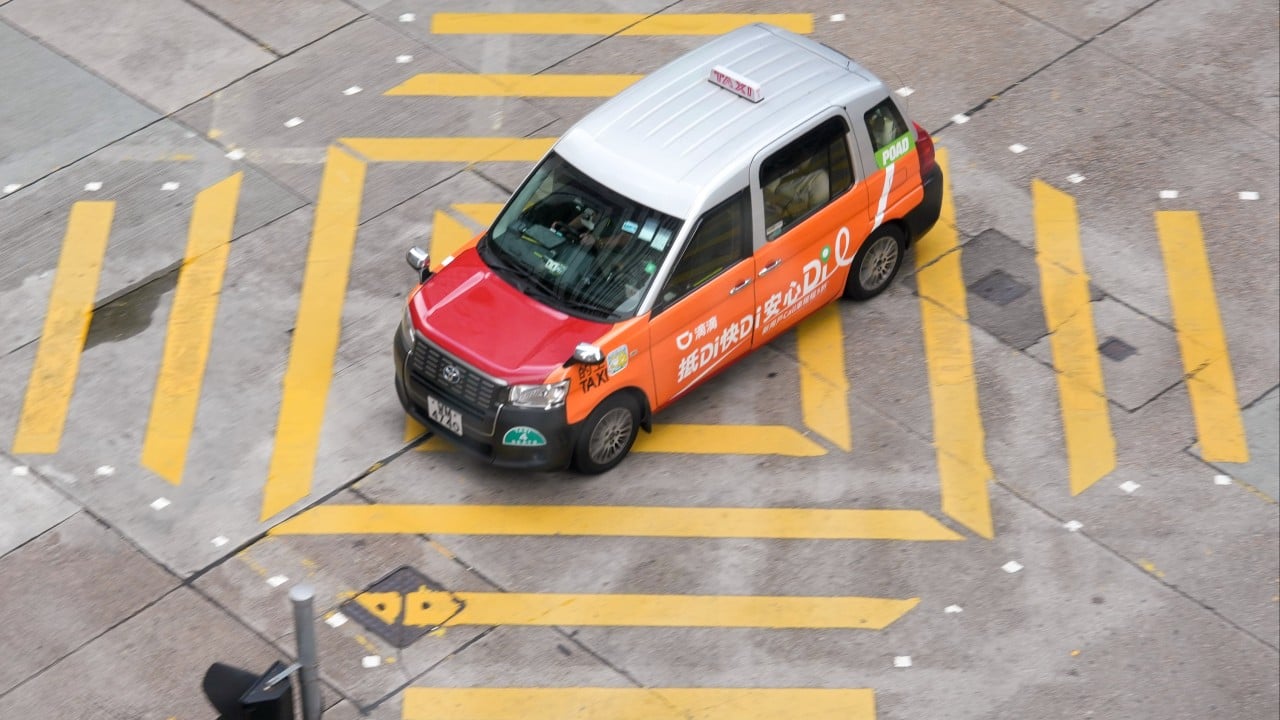
The most significant strategic twist is how mainland giants actually fulfill rides in Hong Kong. Uber built its brand on private car owners moonlighting as drivers. In contrast, mainland apps have spent the last few years quietly integrating Hong Kong's traditional, licensed taxi fleet into their platforms.
When you open Amap or Didi in Hong Kong, you aren't just summoning a random private vehicle. You're often hailing a standard red, green, or blue taxi. Because they rely heavily on the existing licensed taxi pool, a cap on private car permits doesn't hurt their core supply line.
Limiting private ride-hailing vehicles to 10,000 actually protects the traditional taxi drivers who use mainland apps to find passengers. It caps the direct digital competition. For Amap and Didi, backing the cap is a win-win. It keeps the traditional taxi industry happy—ensuring thousands of cabbies stay loyal to their apps—while leaving just enough room to capture a piece of the high-end private vehicle permit pool when the government distributes them.
The Real Struggle Is About Data Sovereignty
The policy debate isn't just about traffic congestion or taxi medallion values. The real battleground is data.
Under the proposed licensing regime, platforms must comply with stringent localized data storage and security rules. The Hong Kong government wants complete visibility into who is driving, where they are going, and how user data is managed.
This requirement puts foreign operators in a tough spot regarding cross-border data flows and local law enforcement access. For mainland firms, this is home turf. Their existing systems are designed to partition data and meet national security requirements seamlessly. By supporting the July legislative package, they're betting that the cost of compliance will squeeze out smaller independent operators and force foreign competitors to re-engineer their platforms, giving the mainland giants a distinct operational advantage.
What Moves Next For Commuters and Investors
If the framework passes in July as expected, the landscape changes overnight. The era of catching an illegal, uninsured ride-hailing car will end, replaced by a strictly monitored, quota-driven market.
If you are tracking the mobility space or navigating Hong Kong's transport sector, keep your eyes on these immediate shifts:
- Expect a Premium Tier Surge: With private car permits limited to 10,000, platforms will likely reserve these precious licenses for luxury, high-margin vehicle classes rather than everyday budget rides.
- Taxi App War Escalation: Since everyday private ride-hailing supply will be artificially constrained, the battle for digital taxi hailing will intensify. Watch for aggressive driver incentives from Amap and Didi to lock down the traditional fleet.
- The Quota Review Window: Transport chief Mable Chan noted the government will adjust the 10,000 quota dynamically based on operational data. The real test will be the first review window, likely six to twelve months post-implementation, where public frustration over wait times will clash with taxi lobby pressure.
The mainland giants aren't backing a cap because they want less business. They're backing it because they know that in Hong Kong's new regulatory era, the company that holds the keys to compliance ultimately wins the market.