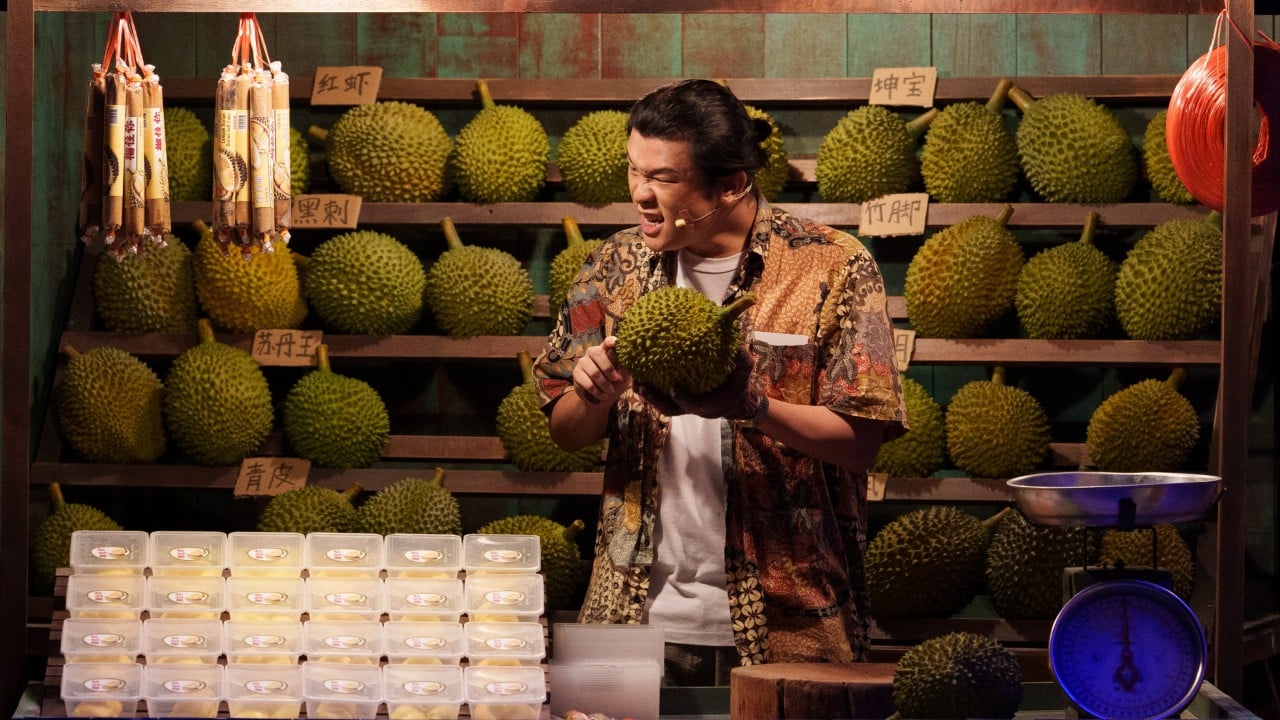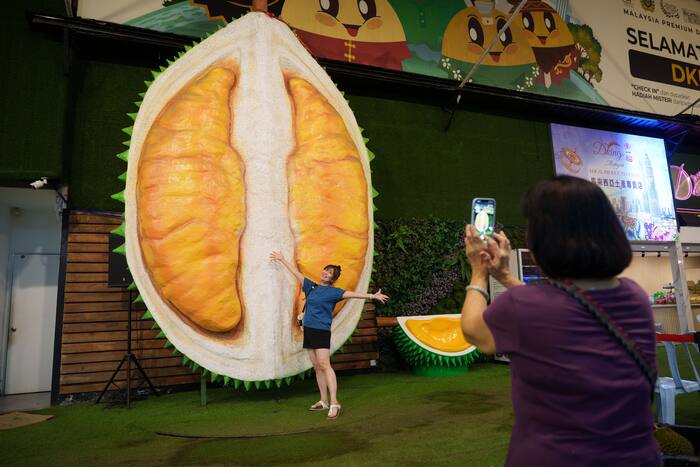
You smell it before you see it. People call it the king of fruits, but to the uninitiated, it smells like a cross between sweet custard and a garbage truck on a hot afternoon.
Malaysia is spending serious political capital and cash to turn that exact polarizing punch into a global obsession. They aren't just selling fruit anymore. They are orchestrating a massive agricultural shift to make the pungent durian the most wanted commodity in international markets.
Breaking Into New Borders
For decades, the fresh durian trade belonged almost exclusively to local street stalls and regional exports sent nearby. Frozen whole fruits and vacuum-packed pulp changed the math. Malaysia wants the world eating Musang King, and they are moving past regional boundaries to make it happen.
China remains the ultimate prize. Consumer demand in Shanghai and Beijing for premium Malaysian cultivars has surged past simple novelty status. Buyers pay high prices for the distinct bittersweet flavor profile found only in properly ripened fruit dropped straight from the tree.
Other nations are taking notice too. Trade delegations from Southeast Asia to the Middle East are pushing agricultural protocols that let fresh shipments clear customs faster. When shelf life is measured in days, speed dictates profit.
The Quality Control Problem
You cannot scale luxury easily. If you flood the market with mediocre fruit, the entire gamble collapses. Bad durian tastes like fermented onions gone wrong. Good durian tastes like vanilla custard spiked with almond and a hint of bitter caramel.
Malaysian producers face strict quality checks. Orchard owners now use specialized tagging systems. Buyers scan codes to track a specific fruit back to the exact district and tree. This traceability eliminates counterfeit branding. Unscrupulous traders used to pass off lower-grade Thai or Indonesian varieties as authentic Malaysian Musang King.
Technology helps, but nature still wins most arguments. Heavy monsoons ruin yields overnight. Drought shrinks the flesh and ruins the texture. Farmers must balance traditional orchard management with modern irrigation setups to protect their margins.
Winning Over the Skeptics
Taste is cultural. What looks like a biological hazard to a Western tourist looks like dessert to millions of Asian consumers. Transforming that perception requires more than export logistics. It takes aggressive marketing through food influencers, high-end pastry chefs, and specialty dessert shops.
Durian now shows up in croissants, cheesecakes, and craft beer. These hybrid products act as a gateway drug for the cautious eater. You don't start with the raw fruit. You start with a pastry that masks the heavy aroma while keeping the signature creamy mouthfeel.
What Comes Next
If you want to understand where this market goes tomorrow, look at the supply chain investments happening right now. Cold storage facilities in Johor and Pahang are expanding rapidly. Airfreight hubs are cutting transit times down to hours.
Check local specialty importers before you buy. Look for certified labels and clear provenance details rather than grabbing the cheapest frozen box on the shelf. The premium market rewards those who pay attention to the harvest season. Pick up a certified frozen pack or visit a specialty Asian market this weekend to taste the difference yourself.