Trade friction creates instant panic in New Delhi. Every time Washington announces a new round of protectionist measures or immigration clamps, markets twitch. Headlines scream about impending trade wars. But step back. Look at what is actually happening behind closed doors.
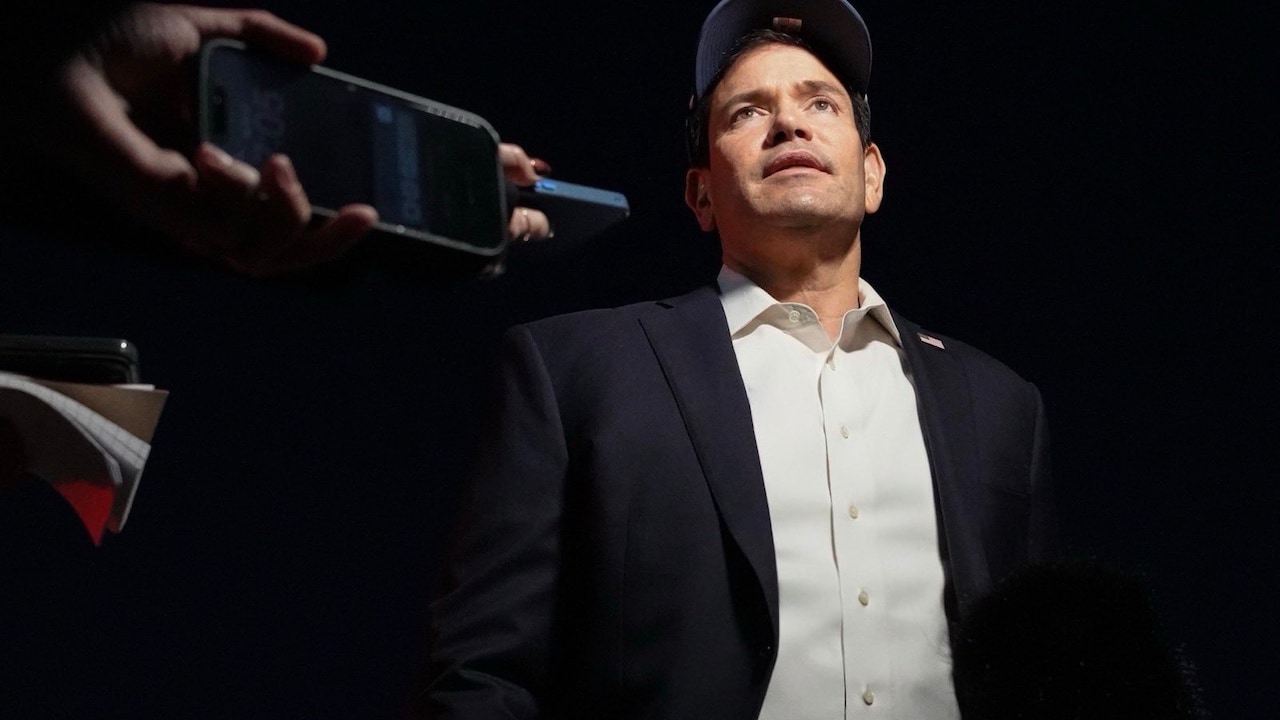
US Secretary of State Marco Rubio flew to India for a two-day diplomatic swing, meeting with External Affairs Minister S. Jaishankar. His main mission? Damage control. Rubio wants Indian policymakers and business leaders to understand a fundamental reality about the Trump administration's agenda. These policies are blunt instruments designed for global restructuring, not targeted economic warfare against India. You might also find this similar coverage useful: What The New Trilateral Peace Talks Mean For The Ukraine War.
Let's look at the numbers. Trade negotiations between the two nations have dragged on for over a year and a half. Everyone is tired of waiting. Yet, Rubio dropped a notable timeline during his discussions. He claims the bilateral trade deal is weeks away from finalization, stating that ninety-nine percent of the heavy lifting is already done.
That sounds optimistic. But it addresses the core anxiety bothering Indian exporters. As reported in recent reports by BBC News, the results are worth noting.
Washington recently threatened massive secondary tariffs—up to one hundred percent—on nations buying Russian energy. Given India's heavy reliance on discounted Russian crude oil to keep domestic inflation in check, alarms went off immediately. Critics framed it as a direct squeeze on New Delhi.
Rubio pushed back hard against that narrative. He pointed directly to the presidential waiver issued by Donald Trump, which shielded India from those punitive measures.
Critics in Washington attacked the White House for granting that pass. They argued it watered down sanctions pressure against Moscow. Trump absorbed that domestic political heat anyway. Why? Because breaking economic ties with India is not part of the white house strategy. Rubio explained that the administration recognizes the immense strategic value of the partnership. They refused to detonate bilateral ties over energy procurement differences.
Then there is the visa issue.
Tech firms in Bengaluru and Hyderabad live in constant dread of American immigration crackdowns. Every time Washington tightens rules or ramps up rhetoric against foreign workers, tech parks brace for impact. H-1B holders wonder if their renewals will go through or if their American dreams have an expiration date.
Rubio addressed this head-on during his tour. He argued that the overhaul of the American immigration apparatus stems from two decades of bureaucratic neglect, not an anti-India animus.
"This applies globally," Rubio noted, pointing out that every country he visits brings up visa frustrations. Washington is trying to fix a broken domestic engine. Once the administrative plumbing gets sorted, the system should supposedly run smoother for everyone involved, including Indian professionals.
Whether you buy that explanation depends on your view of American protectionism.
Here is what matters on the ground. Trade deals rarely move on vibes alone. They move on strategic convergence. China's aggressive posture in the Indo-Pacific leaves Washington with few reliable heavy-duty allies in the region. India is indispensable to that geopolitical puzzle. American policymakers know they cannot afford to alienate New Delhi over short-term trade disputes or immigration tweaks.
If you are running an export business or tech outsourcing firm, stop panicking over every rhetorical salvo out of Capitol Hill. Watch the actual policy waivers. Watch the bureaucratic implementation.
The deal is coming. Keep your supply chains flexible and watch the final signature drop.