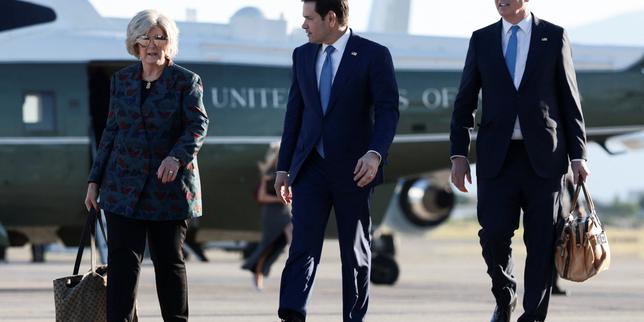
The diplomatic clock is ticking fast. Washington just announced that Secretary of State Marco Rubio is heading to the United Arab Emirates, Kuwait, and Bahrain. This isn't just another routine diplomatic fly-by. It's a high-stakes scramble to save a fragile peace framework before it falls apart. The four-month war that erupted on February 28, 2026, has pushed the region to the absolute brink, and this trip represents the first time the top American diplomat has set foot in the Gulf since the fighting started.
People want to know if this trip can actually stop the bleeding. The short answer is that it depends entirely on whether Rubio can convince America's traditional allies that they aren't being abandoned. Last week's surprise memorandum of understanding between the United States and Iran caught many off guard. Now, Rubio has to sell that deal to regional partners who are deeply skeptical of Tehran's ultimate intentions.
Why Washington is rushing to reassure its traditional allies
The timing of Marco Rubio's Gulf tour tells you everything you need to know about the current panic level in Washington. Over the weekend, intensive negotiations in Switzerland wrapped up with a tentative framework. Vice President JD Vance even went on record saying these talks laid a very good foundation for a successful final deal. But a foundation isn't a finished house.
The deal triggered an immediate wave of anxiety across the Gulf capitals. Leaders in Abu Dhabi, Kuwait City, and Manama are looking at this 60-day negotiating window with an intense mix of hope and dread. They've spent months watching the conflict escalate, and they don't want a rushed agreement that leaves them exposed to future aggression. Rubio's job is to sit down with these leaders and prove that Washington still has their backs.
The skepticism is completely justified. For years, Gulf states have warned that any deal with Iran must address more than just nuclear ambitions or immediate regional conflicts. They want guarantees about ballistic missile programs and regional proxy networks. If Rubio arrives with nothing but vague platitudes, the trip will be a failure before it even finishes.
The heavy shadow of the Strait of Hormuz
You can't understand this diplomatic push without looking at the map. The Strait of Hormuz is the literal choke point of global energy markets. During this conflict, maritime transit has been paralyzed, sending shockwaves through global economies and causing massive headaches for shipping companies worldwide.
State Department spokesperson Tommy Pigott made it clear that securing full, free, and safe transit through the strait is at the top of Rubio's agenda. It's an economic necessity. The Gulf states rely on these waters to export their oil, and the rest of the world relies on them to keep factories running and gas stations filled. Rubio needs to hammer out concrete security protocols with the UAE and Bahrain to ensure that the shipping lanes stay open, regardless of how the final negotiations with Tehran play out.
Inside the sixty day clock with Iran
The memorandum signed last week started a brutal countdown. Sixty days. That's all the time diplomats have to turn a vague framework into a durable, binding peace treaty that ends the war initiated by the US and Israel against Iran. It's an incredibly tight window for a conflict with so many moving parts.
Many political analysts are wondering how the US can negotiate effectively while its allies are left on the sidelines. That's exactly why Bahrain is such a crucial stop on this itinerary. In Manama, Rubio is scheduled to meet directly with the Gulf Cooperation Council. The GCC represents the collective weight of the Arab Gulf states. Bringing them into the loop isn't just polite diplomacy. It's a strategic requirement. If the GCC rejects the parameters of the US-Iran deal, the entire framework will collapse under its own weight.
What the Gulf countries actually want from Marco Rubio's Gulf tour
Let's look at what's really happening behind the closed doors. The Gulf states aren't looking for photo opportunities. They want ironclad commitments.
First, they need clear intelligence sharing regarding what happened in Switzerland. They want to know exactly what the US promised Tehran and what Iran promised in return. Second, they want a seat at the table during the remaining days of the negotiation period. Nobody wants their security decided by foreign powers meeting in European hotels.
There's also the economic angle. The war has disrupted regional trade, tourism, and investment. Countries like the UAE have spent decades building themselves up as global business hubs. Continuous conflict ruins that brand. They want peace, but they want a peace that lasts, not a temporary band-aid that rips off in six months.
Moving beyond the vague promises
If this diplomatic mission is going to succeed, the Trump administration has to offer more than just words. The coming days will show whether Rubio can balance the delicate act of cooling tensions with Iran while strengthening alliances with the Gulf states.
The next steps require immediate action. Watch for the joint communiqués coming out of the meetings in Abu Dhabi and Manama over the next forty-eight hours. Look for specific language regarding maritime task forces in the Strait of Hormuz and explicit defense guarantees. If those documents contain hard details, the peace process has a real chance. If they're filled with standard diplomatic fluff, expect the region to brace for another round of instability. Watch the shipping data out of Hormuz next week to see if commercial vessels actually start moving with confidence again.