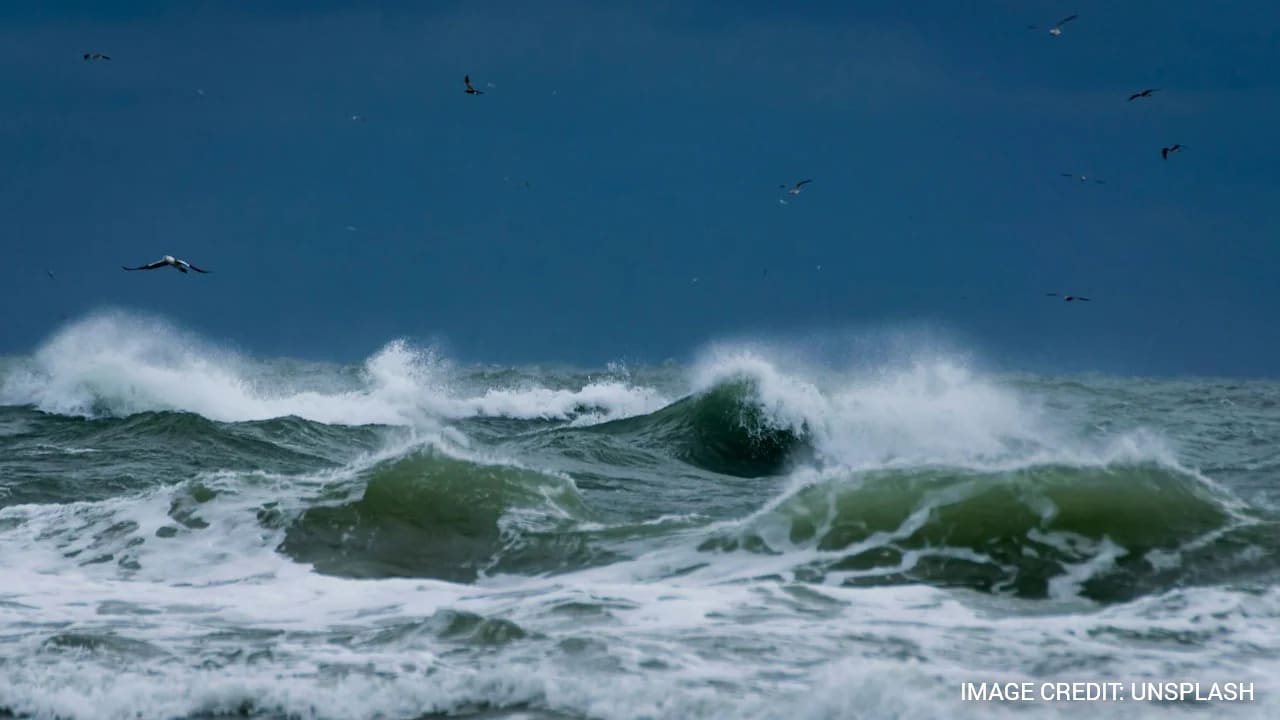
The sea doesn't care about schedules. When the inter-island ferry MV Matui went down off the coast of Vanuatu, it wasn't just a sudden twist of fate. It was a stark reminder of the fragile state of maritime transit across the Pacific Islands.
At least one person is dead and more than thirty individuals remain missing after the vessel sank between the islands of Ambae and Santo. Fifteen survivors have been pulled from the water, but rescue teams are shifting focus. Open water grids are giving way to shoreline searches as rough currents push toward the southeast coast.
Prime Minister Jotham Napat didn't mince words in the official government statement. The disaster points directly to heavy weather warnings being ignored and the persistent issue of vessel overloading. When operators push boats out into violent open water despite gale warnings, tragedy stops being an accident. It becomes an inevitability.
The Reality of Island Transit Networks
Living across an archipelago like Vanuatu means relying entirely on boats to move between islands. Planes are expensive. Cargo ships and ferries are the lifelines for groceries, medical supplies, and family visits.
People board these ferries because they have to get home, go to work, or reach a hospital. They trust that the operators know what they're doing. But commercial pressures often override common sense.
Overloading is an open secret in many developing island nations. When demand spikes, extra passengers and cargo slip onto manifests without strict oversight. Combine too much weight with cyclonic weather or fierce squalls, and stability vanishes in seconds.
Why Search Operations Face Brutal Conditions
Looking for people in the open ocean is agonizingly difficult. When the MV Matui sank, rescue coordination faced an immediate handicap. The Pacific is vast. The distance between island chains means response times stretch out, and weather that capsized a ferry will also hamper rescue boats and spotter planes.
Vanuatu police, the Vanuatu Maritime Safety Authority, and the vessel's operator, Tui Shipping Agency, find themselves under intense scrutiny. Public frustration is mounting. Families want to know why a ship was allowed to leave port when gale warnings were active.
Search grids in open waters have been dialed back because physics dictates where bodies and life rafts drift. Current patterns push debris toward specific coastal pockets. Rescue personnel are now combing rocky shores and mangrove lines, hoping against hope to find survivors washed ashore.
Fixing Broken Safety Standards
Blaming the weather is an easy cop-out for maritime operators. Weather is predictable; human choices are what create disasters.
If Pacific island nations want to stop losing lives to preventable sinkings, structural changes have to happen at the dock level. Port authorities need teeth. They need the legal backing and political will to ground vessels when marine alerts go live, regardless of how angry passengers or shipping bosses get.
Accountability matters. Tui Shipping Agency and similar operators must face rigorous investigations into cargo logging and passenger counts. If negligence played a part, criminal charges shouldn't just be discussed—they need to be filed to send a clear message.
Right now, a nation grieves. Prime Minister Napat's office has extended prayers to survivors and families, but prayers don't replace regulation. Real safety requires strict enforcement, better communication between meteorological services and port masters, and a refusal to treat human cargo as disposable.
Check your local maritime advisory boards before booking travel across remote island chains, and demand accountability from local transit authorities.