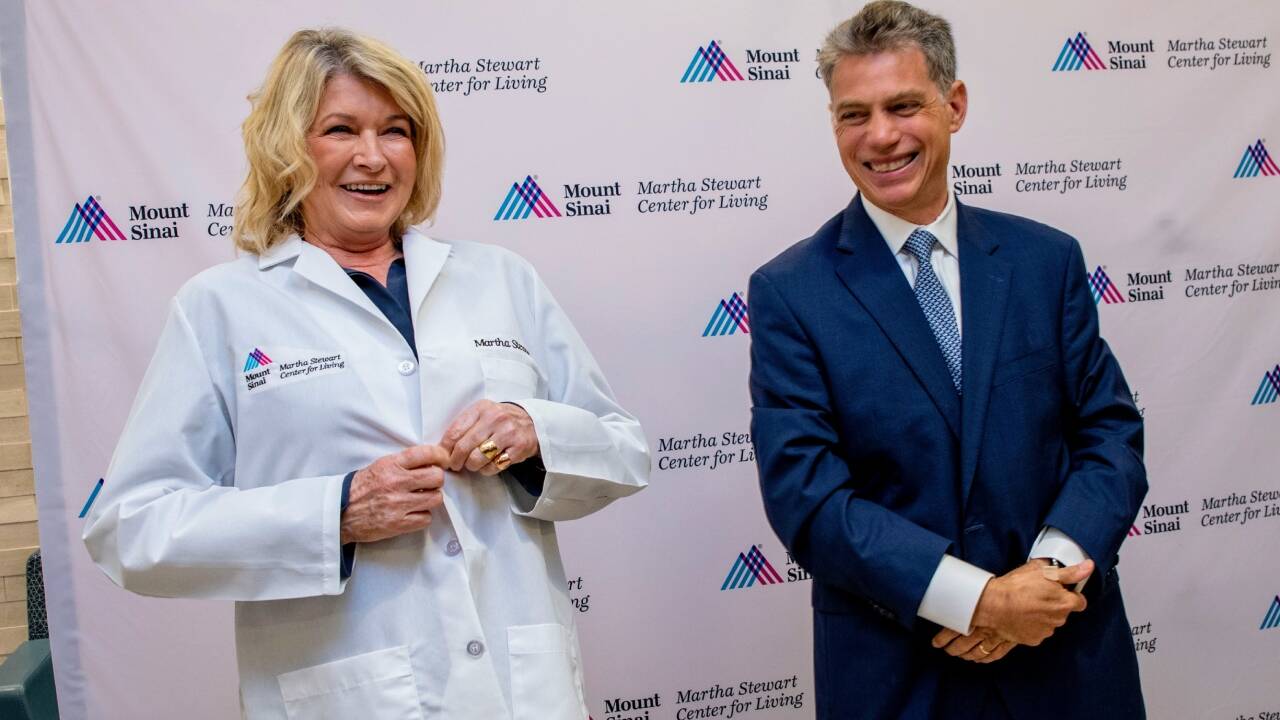
We talk constantly about fixing healthcare, yet we routinely ignore the population that needs it most. While tech startups chase wellness trends for twenty-somethings, older adults deal with fragmented clinics, confusing specialist referrals, and a medical system that treats organs instead of people.
Back in 2007, Martha Stewart looked at this broken reality and decided to do something tangible. Inspired by her mother, Martha Kostyra—who maintained an active life until 93—she helped launch a specialized facility at Mount Sinai Hospital in New York. Years later, a second location opened at 10 Union Square. These centers did not just add another waiting room to Manhattan; they proved that elderly care could combine rigorous medical treatment with genuine daily wellness under one roof. If you enjoyed this article, you might want to check out: this related article.
The Problem with Traditional Geriatric Care
If you have ever tried navigating the medical system for an elderly parent, you know the frustration. Your father sees a cardiologist downtown, an orthopedist uptown, and a primary care doctor somewhere else entirely. None of them talk to each other. Medications clash, test results vanish into separate portals, and the patient ends up exhausted from commuting across the city just to renew a prescription.
Traditional medicine divides the body into silos. When you cross age 65, that approach stops working. Chronic illnesses pile up, mobility shifts, and social isolation creeps in. Treating a single symptom without understanding the patient's home life or emotional well-being is basically guesswork. For another look on this story, refer to the latest update from Everyday Health.
Mount Sinai's approach flipped that script by housing more than twenty specialist medical categories in a single space. Patients can access cardiology, gastroenterology, dermatology, orthopedics, and rheumatology alongside on-site radiology and physical therapy. You do not bounce between boroughs for basic coordination. Everything lives together.
Moving Beyond Pills Into Real Wellness
Medical treatment alone misses half the picture. A senior dealing with severe joint pain doesn't just need a prescription; they need movement classes, fall prevention strategies, and a social support network.
The Martha Stewart Center for Living integrated non-clinical wellness directly into its framework from the start. Patients participate in tai chi, yoga, music therapy, and structured nutrition planning. Classes address everyday fears that doctors often skip over, like medication management, financial planning, and long-term care insurance.
Every new patient receives an intensive geriatric assessment on day one. Doctors evaluate emotional stability, daily functioning, and family support structures alongside lab results. Every patient gets a dedicated social worker, while caregivers join support groups to handle the immense burnout that comes with family nursing.
The Numbers That Prove It Works
Skeptics love to write off wellness programs as expensive window dressing. Data from Mount Sinai tells a different story.
Older adults utilizing these integrated centers experience half the emergency room visits of their demographic peers. Hospital stays are shorter, and readmissions drop by fifty percent. During its first year alone, the downtown location recorded nearly 5,000 patient visits, proving a massive, unmet demand for coordinated senior health services.
Lower hospitalizations happen because the care team actually knows the patients. Doctors, nurse practitioners, and social workers understand family histories and daily routines. Catching a minor mobility change or a slight medication mix-up during a yoga class or social seminar stops a midnight ambulance ride before it starts.
Training the Doctors We Actually Need
America faces a massive shortage of geriatricians. Medical schools have historically ignored aging, focusing instead on acute interventions and high-tech surgeries.
The center functions as a training ground for medical students, pharmacy residents, and postgraduate trainees working alongside seasoned geriatricians. Young physicians study outpatient medicine and ambulatory practice firsthand. Training doctors to manage chronic, multi-system conditions in an outpatient setting keeps older adults functional and independent for decades longer.
What You Can Do Right Now
You do not need a multi-million-dollar Manhattan facility to apply these lessons to your own family. If you are managing care for an aging loved one, take immediate steps to streamline their environment:
- Consolidate providers: Ask your primary care doctor for referrals within a single hospital network so electronic health records match across departments.
- Prioritize function over diagnoses: Focus heavily on fall prevention, strength training, and nutrition rather than just chasing lab numbers.
- Involve social services: Ask for a geriatric care manager or social worker early to evaluate home safety and caregiver mental health before a crisis hits.
Aging is inevitable, but how we navigate it is a choice. We need more centers that treat older adults with dignity, capability, and integrated care instead of treating them like an afterthought.