Western sanctions were supposed to cut Russia off from the international financial grid. Instead, clever operators built a workaround.
Leaked records reveal how a Kremlin-backed fintech network named A7 funneled more than $6.9 billion through major international banks. It wasn't done through high-tech cyberattacks or complex cryptocurrency mixing. They used old-fashioned document forgery, shell companies, and a library of thousands of corporate stamps to trick the Swift messaging system.
If you want to understand why trade restrictions leak like a sieve, look at how modern compliance handles paper. Banks rely on documents provided by clients. When those documents are systematically falsified, compliance engines blink green while illicit funds move.
The Mechanics of the A7 Network
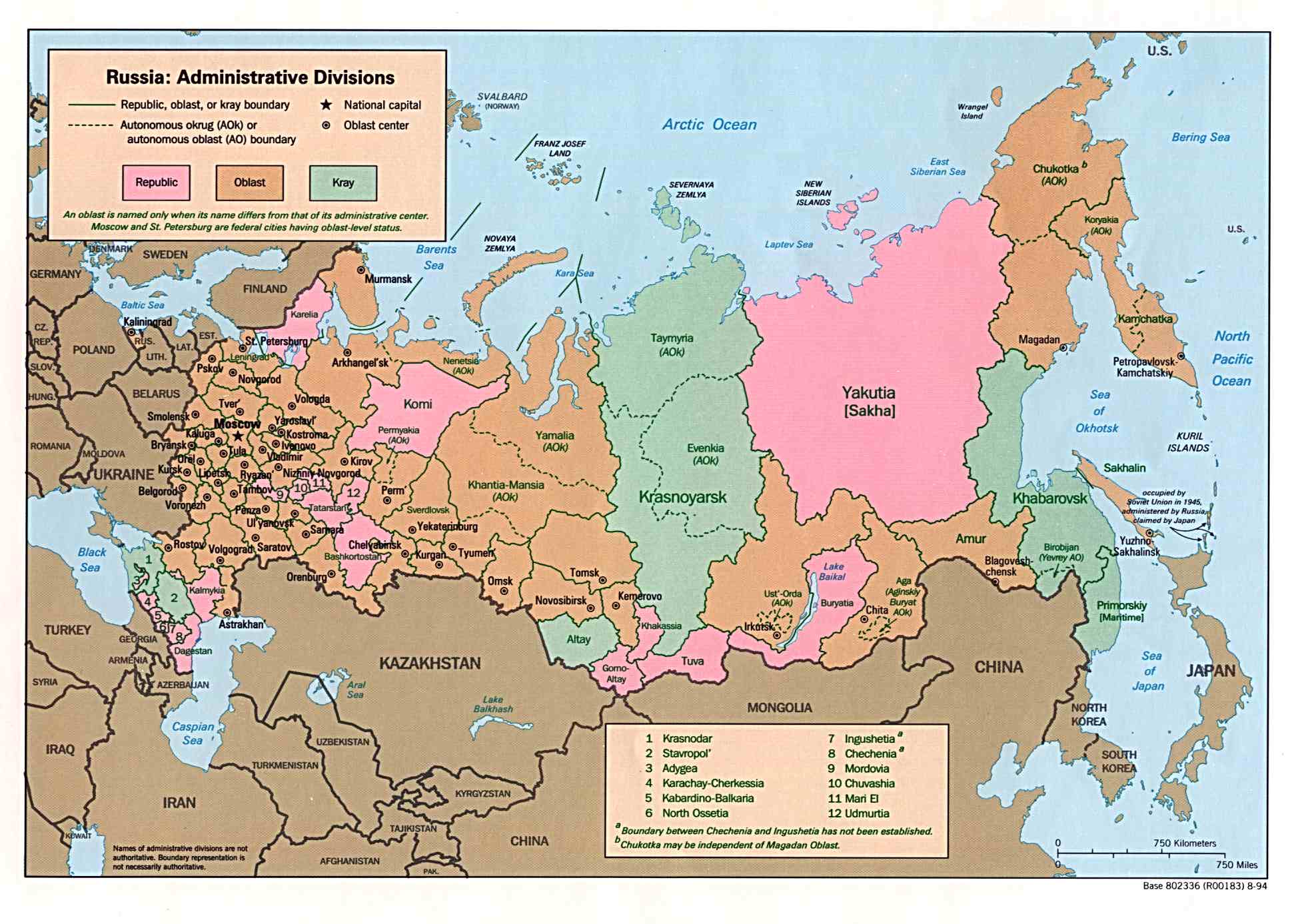
A7 didn't emerge in a vacuum. It was set up in Russia and Kyrgyzstan with backing from Promsvyazbank, a Russian state-owned lender heavily tied to the defense sector, and figures like Moldovan oligarch Ilan Shor.
The goal was simple. Russian importers needed a way to pay overseas suppliers without triggering red flags at correspondent banks. To pull this off, the network deployed roughly 100 front companies across jurisdictions spanning the United Arab Emirates, Hong Kong, Indonesia, and Hungary.
These front companies didn't just open bank accounts. They created complete fictional paper trails.
According to internal files, operators maintained a digital archive containing thousands of corporate stamps. Some stamps were outright fakes, while others were harvested from legitimate, unsuspecting businesses. Every invoice, customs declaration, and bill of lading was tailored to look boringly normal.
Fooling the Compliance Checkpoints
How do you move millions for military night-vision equipment without getting caught? You lie about what's in the box.
A7's playbook relied on changing customs codes. Operators swapped codes for restricted military or dual-use items with adjacent codes for non-restricted consumer goods. They scrubbed Cyrillic characters from paperwork to avoid drawing scrutiny from Western intermediary banks.
They also played games with transaction sizes. To avoid hitting reporting thresholds or automatic holds, large sums were sliced into smaller tranches. In one instance uncovered in the leaks, a 20 million renminbi transfer was chopped into 12 separate pieces. Another identical sum was split into six transactions.
Major global financial institutions found themselves processing these flows unknowingly. Entities linked to A7 moved massive sums through accounts at institutions like Standard Chartered in Hong Kong, First Abu Dhabi Bank, DBS, Citigroup, and Deutsche Bank. Once a payment cleared the initial checks of a sending or member bank, Swift processed it forward. The system assumes the institution at the origin did its homework.
Why Traditional Banking Defenses Keep Failing
Financial institutions operate on trust and volume. They process millions of messages a day. They cannot physically inspect every cargo container or verify every corporate stamp on an invoice from Bishkek or Dubai.
When a front company presents a clean invoice for ordinary industrial parts, automated anti-money laundering tools often see nothing wrong. The vulnerability isn't necessarily a corrupt bank employee. It is the structural reliance on documentary compliance in a digital age where paper can be faked in seconds.
Banks like Standard Chartered and First Abu Dhabi Bank moved quickly to close accounts once suspicious patterns surfaced—such as a sudden spike in volume coming through obscure Kyrgyz banks like Eldik, Aiyl, and Eurasian Savings Bank. But by the time one front company goes dark, the network simply shifts operations to another shell entity in a different jurisdiction.
What This Means for Global Compliance
Sanctions enforcement is entering a grim reality check. Policymakers can slap restrictions on central banks and energy giants, but trade adapts.
If you run compliance for an international firm, you can no longer trust standard trade documentation at face value. You need deeper behavioral analytics, better tracking of ultimate beneficial ownership, and a healthy skepticism toward multi-hop payment chains passing through non-traditional financial hubs.
The $6.9 billion A7 operation proves that borders matter less than paperwork quality. Until regulators demand cryptographic verification of trade data instead of scanned PDF invoices, shadow financial networks will keep finding the open door.