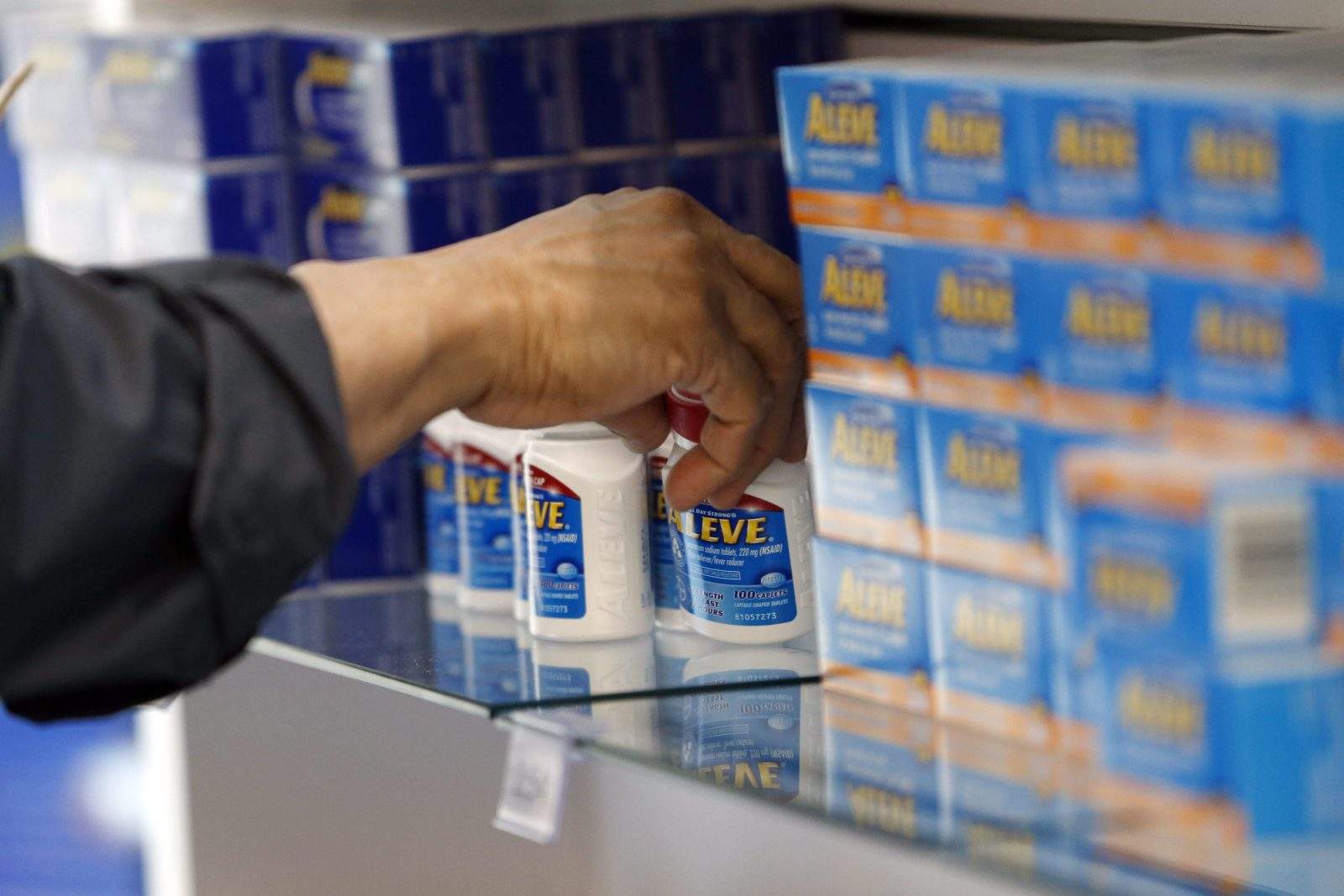
You open the bathroom cabinet on a Tuesday morning looking for allergy relief or a quick pain fix, and instead, you find yourself holding a bottle that health authorities want back immediately. It happens more often than anyone cares to admit. A routine manufacturing check uncovers a stray packaging error, a flawed seal, or a cross-contamination risk, and suddenly millions of trusted household bottles become a safety hazard overnight.
Bayer recently issued a widespread recall affecting popular health staples like Aleve, Claritin, and Flintstones vitamins across Canada. If you bought these products recently, you need to check your lot numbers right now. Don't assume your medicine is safe just because the seal looks intact.
What Triggered the Recall
Manufacturing plants are massive, highly automated mazes. Despite strict protocols, mistakes slip through the cracks. In this specific recall event, the issue largely stems from packaging and labeling discrepancies that could compromise product integrity or fail to warn consumers about unexpected contents. When a major pharmaceutical company pulls brands as recognizable as Aleve, Claritin, and Flintstones vitamins off shelves, it signals a breakdown in quality control that forces regulatory bodies like Health Canada to step in.
Let us be completely honest. Seeing a children's multivitamin on a recall list triggers immediate panic for any parent. You buy Flintstones vitamins believing they undergo rigorous safety checks to protect your kids, only to learn a specific batch failed compliance standards. The recall isn't about widespread poisonings or catastrophic side effects; it is about strict regulatory tolerances. Even a minor packaging defect means the product cannot stay on the market.
Spotting the Recalled Bottles in Your Home
Checking your medicine cabinet takes two minutes, but skipping it is a gamble you shouldn't take. You need to look past the familiar cartoon characters on the vitamin bottle or the blue branding on the pain reliever box. Flip the bottle over. Look at the lot number and the expiration date stamped near the barcode.
Health Canada publishes exact alphanumeric codes for every recalled batch. If your bottle matches the numbers listed on the official recall notices, stop using it immediately.
- Aleve: Check for blister packs or bottles where the safety seal shows signs of wear or where the listed strength doesn't match the actual contents.
- Claritin: Allergy season is relentless, but taking an improperly packaged antihistamine introduces unnecessary risks. Verify your allergy relief lot numbers against the official database.
- Flintstones Vitamins: Look closely at the bottom of the plastic container. Chewable iron variants and complete formulas frequently face strict scrutiny due to child-safety packaging requirements.
Manufacturers and retailers pull these items from store shelves instantly, but products already sitting in kitchen cupboards or bathroom drawers remain your responsibility to identify and discard.
The Broader Problem With Over the Counter Safety
We treat over-the-counter medications like harmless grocery items. You grab a bottle of pain relief or daily supplements without a second thought, assuming the regulatory framework catches every single flaw before it leaves the factory. Recalls like this expose the fragile nature of mass-produced consumer health products.
When a single packaging line error at a manufacturing facility forces a national recall of pain relievers, allergy tablets, and children's supplements simultaneously, it highlights how interconnected modern supply chains really are. One faulty machine part halts distribution networks from coast to coast.
What You Need to Do Right Now
Do not just toss your recalled medicine into the household trash where children or pets might get into it, and definitely don't keep taking it because the risk feels low.
Gather your Aleve, Claritin, and Flintstones bottles. Compare the lot numbers against the official Health Canada or Bayer recall announcements. If your batch is affected, return the product to the place of purchase for a full refund, or safely dispose of it according to local municipal pharmaceutical waste guidelines. Check your pantry, check your travel bag, and check the backup supply in the basement.