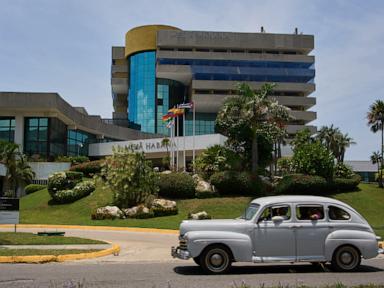
When Meliá Hotels International stepped onto Cuban sand in 1990, the Spanish hotel giant threw a lifeline to an island reeling from the fall of the Soviet Union. For thirty-six years, the Palma de Mallorca-based chain anchored Cuba's foreign tourism strategy. It operated 34 luxury resorts across Havana, Varadero, and the southern cays. Now, that entire operation is over.
Meliá announced it will completely cease all business in Cuba on July 24, ending every management agreement, branding contract, and supply chain partnership on the island.
This isn't a minor restructuring. It's a complete collapse of European commercial presence in Cuba. If you're following global business or planning travel across the Caribbean, here's what's actually driving Meliá's abrupt departure and what it signals for the rest of the region.
The Sanctions Snowball That Made Operating Impossible
Running hotels requires basic utilities, functional banking, and paying workers. In Cuba, every single one of those elements broke down under escalating pressure from Washington.
The turning point came when the U.S. government instituted a wave of secondary sanctions directly targeting foreign companies doing business with state-controlled entities. In May, Washington sanctioned GAESA, the massive military-run conglomerate that owns a dominant chunk of Cuba's hospitality infrastructure, along with its tourism arm, Gaviota. Meliá initially tried to thread the needle by suspending management contracts at 15 properties tied to Gaviota in June while holding onto resorts partnered directly with the Ministry of Tourism.
That strategy failed fast.
On July 13, new sanctions explicitly blacklisted the Ministry of Tourism itself. That move boxed in Meliá's Portuguese subsidiary, Ilha Bela Gestao e Turismo, which formally handled the island's resort operations. Continuing to run those properties meant risking total exclusion from the U.S. financial system, frozen assets, and travel bans for company executives and shareholders.
Faced with a choice between protecting global business interests or maintaining loss-making properties in Havana, the Escarrer family made the cold business call. They pulled out entirely.
A Sinking Island Economy and Empty Rooms
Beyond legal exposure, the simple reality is that running resorts in Cuba stopped making financial sense.
The island's economy is experiencing its worst collapse in modern history. An energy blockade combined with domestic infrastructure failures has triggered daily power outages lasting upwards of 20 hours in major cities. Hotels can't run air conditioning, keep food cold, or guarantee clean running water.
Consider these brutal numbers from the ground:
- Tourist arrivals in Cuba have dropped 48% compared to 2015 levels, standing at a mere 298,000 visitors.
- Meliá reported an average occupancy rate of just 34.1% in its Cuban hotels during early 2026, nearly half of its global portfolio average of 58.8%.
- Major airlines including Iberia, Air France, and World2Fly halted or slashed transatlantic flights because Havana couldn't supply jet fuel to refuel their planes.
You can't sell luxury beach vacations when the lights won't stay on and planes can't refuel. When Meliá filed its disclosure with Spain's National Securities Market Commission (CNMV), it cited "notable operational, legal, economic, and financial difficulties" that destroyed any chance of maintaining basic stability.
The Domino Effect Across Foreign Investors
Meliá isn't leaving in a vacuum. Its exit is part of a broader exodus of western capital.
Over the last few months, rival European and Canadian hospitality companies have quietly packed up or cut back. Spanish hotel chain Iberostar shut down operations across 12 properties tied to state companies. Canadian giant Blue Diamond Resorts, which once managed dozens of resorts across the island, started unwinding its presence. Asia-based Archipelago International pulled out too.
When major hotel brands leave, the supporting ecosystem collapses right behind them. Tour operators cancel bookings. European airlines cut routes. Local suppliers lose their biggest buyers.
For decades, foreign hotel chains operated under a joint-venture model with the Cuban state, providing hard currency that kept the local economy afloat. With those management contracts canceled, the Cuban government inherits empty, decaying buildings with no access to international reservation networks or foreign credit.
What Happens Next for Travelers and Investors
If you hold a reservation at a Meliá property in Cuba or manage investments affected by Caribbean commercial shifts, here are the direct steps you need to take right now:
- Audit active bookings immediately. If you booked a Meliá property in Cuba for late 2026 or beyond, your reservation will not be honored under the Meliá brand. Contact your travel agency or booking provider to request a full refund or rebooking at an alternative destination like the Dominican Republic or Mexico.
- Expect severe operational downgrades. Cuban state entities will likely take over the management of former Meliá properties. Without European supply lines and international credit lines, expect property standards, service levels, and food options to drop significantly.
- Review corporate compliance for Caribbean assets. European and international firms with indirect exposure to Cuban state entities must audit their contracts to ensure they don't trigger secondary U.S. Treasury enforcement under Office of Foreign Assets Control (OFAC) rules.
- Watch Meliá's half-year financial earnings. The company is assessing asset write-downs linked to its Cuban exit. Financial analysts should monitor their upcoming earnings statement to gauge the exact balance-sheet impact on the parent company's stock value.
Meliá's exit closes a 36-year chapter in Caribbean tourism. The era of foreign hotel chains serving as a financial bridge to Cuba is officially over.