When an aviation disaster unfolds, people always want to know what went wrong in the final seconds. But the real story usually starts long before impact, hidden inside the black box and the dynamics of the flight deck.
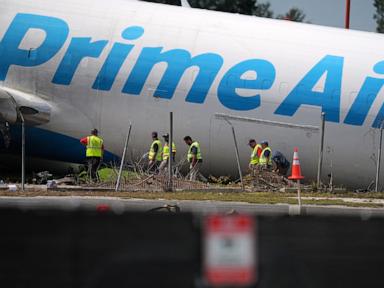
Fresh National Transportation Safety Board findings on the tragic crash involving an Amazon cargo plane at Miami International Airport reveal a terrifying reality. One pilot spent nearly two minutes shouting speed warnings while the other gave virtually no consistent response. The Boeing 767, operated by 21 Air on behalf of Amazon Prime Air, ended up barreling roughly 1,300 feet past the end of the runway, striking vehicles and claiming five lives.
If you look at the sequence of events, it raises hard questions about crew resource management and why warning systems get ignored under pressure.
The Timeline of a Failing Approach
Flight data recorders and cockpit audio paint a chaotic picture of the aircraft's final descent. The plane was unstable, fighting strong winds as storms moved through the area. Automated warnings blared, signaling dangerous descent rates and low terrain.
Yet, the aircraft continued its push toward the pavement. According to investigators, the plane touched down nearly halfway down the 9,360-foot runway. That left the crew with a fraction of the stopping distance they needed.
Even more startling is what happened right after touchdown. The crew briefly disengaged the brakes, shoved the throttles up for a last-second go-around, and then abandoned that attempt just four seconds later. By that point, stopping the heavy jet was mathematically impossible.
Where Crew Resource Management Breaks Down
In modern aviation, crew resource management is supposed to prevent disasters caused by single-pilot tunnel vision. The core principle is simple. If one person sees danger, the other must acknowledge it and take corrective action.
That framework completely broke down here. One pilot repeatedly flagged excessive speed during the approach, but the receiving pilot offered no consistent verbal response. Aviation experts note that when a captain or first officer becomes overly fixated on getting the plane on the ground, they often tune out external cues.
Fatigue might also play a hidden role. This flight marked the crew's third leg of the day, following routes between Cincinnati, Miami, and San Juan. Long duty days erode cognitive sharpness, making split-second decisions much harder.
Why Going Around Is Always the Right Call
Every commercial pilot knows the golden rule of landing: you can always go around. A missed approach wastes fuel and time, but it keeps everyone alive.
When an aircraft is speeding, bouncing, or floating halfway down a wet runway, forcing the landing is a massive gamble. Former federal officials point out that the crew had ample opportunity to abort the landing minutes before touchdown when the initial speed alerts sounded.
Instead, hesitation took over. Once speed brakes and thrust reversers failed to deploy efficiently in those crucial opening seconds, the outcome was sealed.
The NTSB investigation continues to dig through maintenance logs, company policies, and past operational records. But the early data serves as a stark reminder that technology and checklists mean nothing if the humans in the cockpit aren't communicating.
Review safety protocols closely, prioritize clear communication channels in high-stress operational environments, and never ignore early warning signs when the margins for error disappear.
Pilot of the Amazon cargo plane that crashed at MIA warned it was coming in too fast
This video provides a concise news overview of the NTSB findings regarding the pilot's repeated speed warnings prior to the Miami runway accident.
http://googleusercontent.com/youtube_content/1