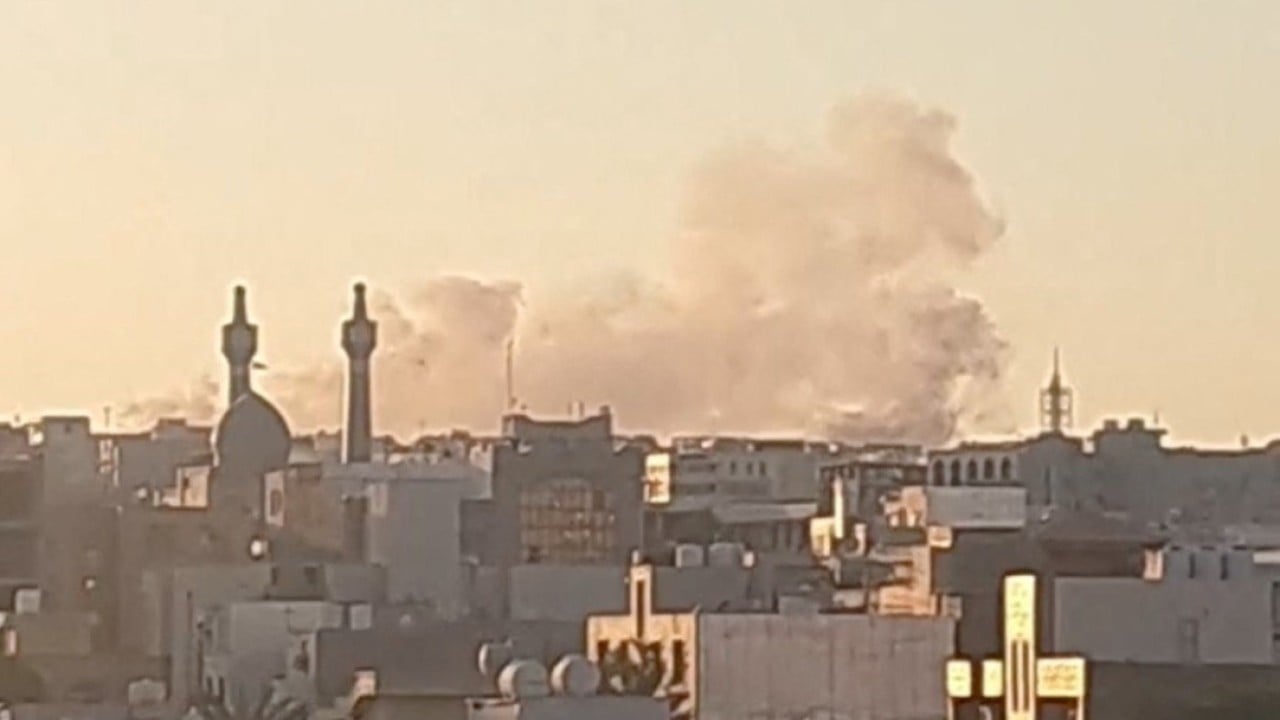
The fragile calm holding the Persian Gulf together just shattered. Bahrain and Kuwait are currently on high alert, forced to intercept and repel incoming drone attacks after American fighter jets launched targeted strikes on Iran's Qeshm Island.
Tit-for-tat military actions are spiraling out of control. When Washington targets Islamic Revolutionary Guard Corps infrastructure in the Strait of Hormuz, Tehran responds by turning its crosshairs toward its Gulf neighbors who host vital U.S. military assets.
The Escalation Chain in the Strait of Hormuz
You cannot separate these recent aerial interceptions from the ongoing battle over commercial shipping lanes. The United States has stepped up low-level strikes and patrols to protect oil tankers navigating the strategic Strait of Hormuz. Iran views these corridors as an economic lifeline and a hostile zone, frequently accusing vessels of ignoring its maritime restrictions or hitting sea mines.
When American forces hit Qeshm Island to crack down on missile and communication sites, Tehran treats the surrounding host nations as legitimate participants in the campaign. Kuwait reported countering hostile drones, while Bahrain's air defenses scrambled to neutralize incoming aerial threats before they could hit critical infrastructure.
Why Bahrain and Kuwait Are Caught in the Crossfire
Geography is a brutal constraint. Bahrain hosts major U.S. naval command elements, and Kuwait houses critical defense infrastructure, making both nations permanent targets whenever direct friction occurs between Washington and Tehran.
Iran's strategy relies on imposing costs on regional allies to pressure the United States into easing economic blockades. Analysts note that Tehran's leadership feels squeezed by tightening sanctions and a suffocating maritime standoff. Shooting at regional targets or disrupting oil transit routes is designed to signal that Washington's protection comes with an unacceptably high local price tag.
What This Means for Global Markets and Regional Stability
The illusion of a contained conflict is gone. Energy markets react instantly to every flare-up in the Persian Gulf, and insurance rates for commercial shipping through the Strait of Hormuz fluctuate wildly with each exchange of fire.
Diplomatic efforts led by regional mediators like Qatar face an uphill battle. As long as the United States maintains its economic pressure and targeted strikes, Iran appears willing to risk further military escalation to break the deadlock. Gulf capitals are left bracing for the next wave, knowing their air defense systems are the only thing standing between regional stability and total chaos.