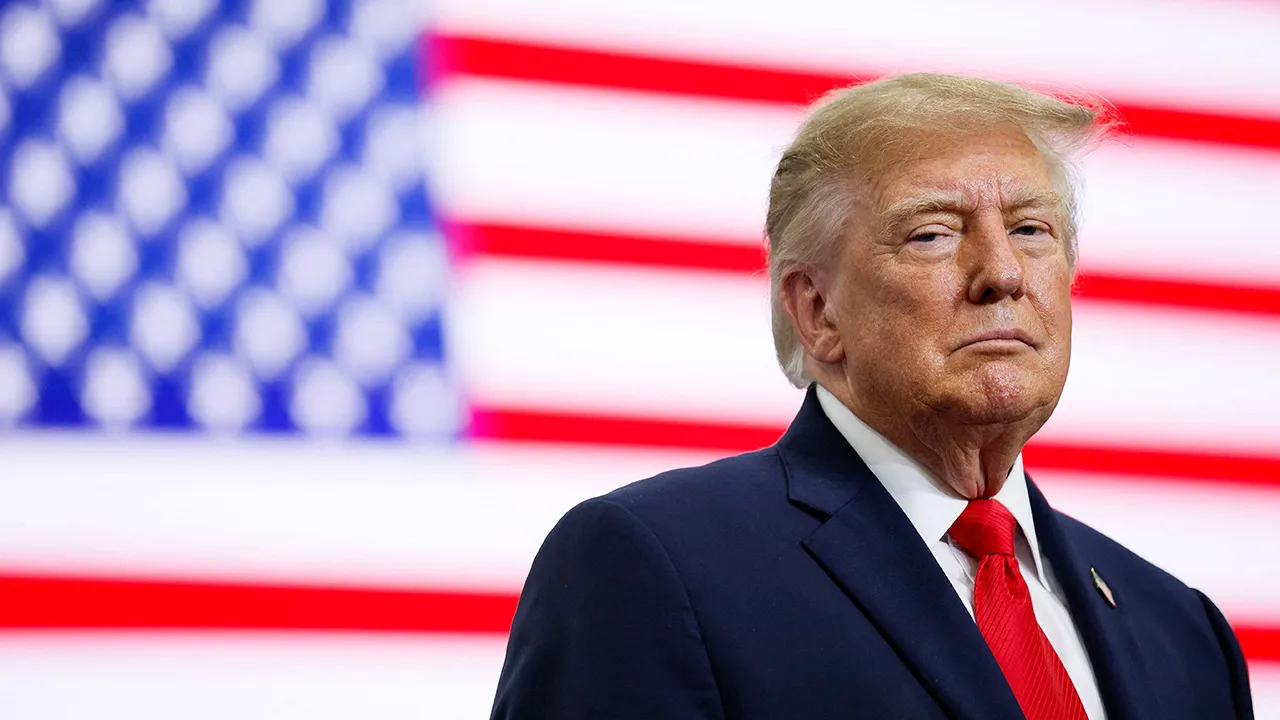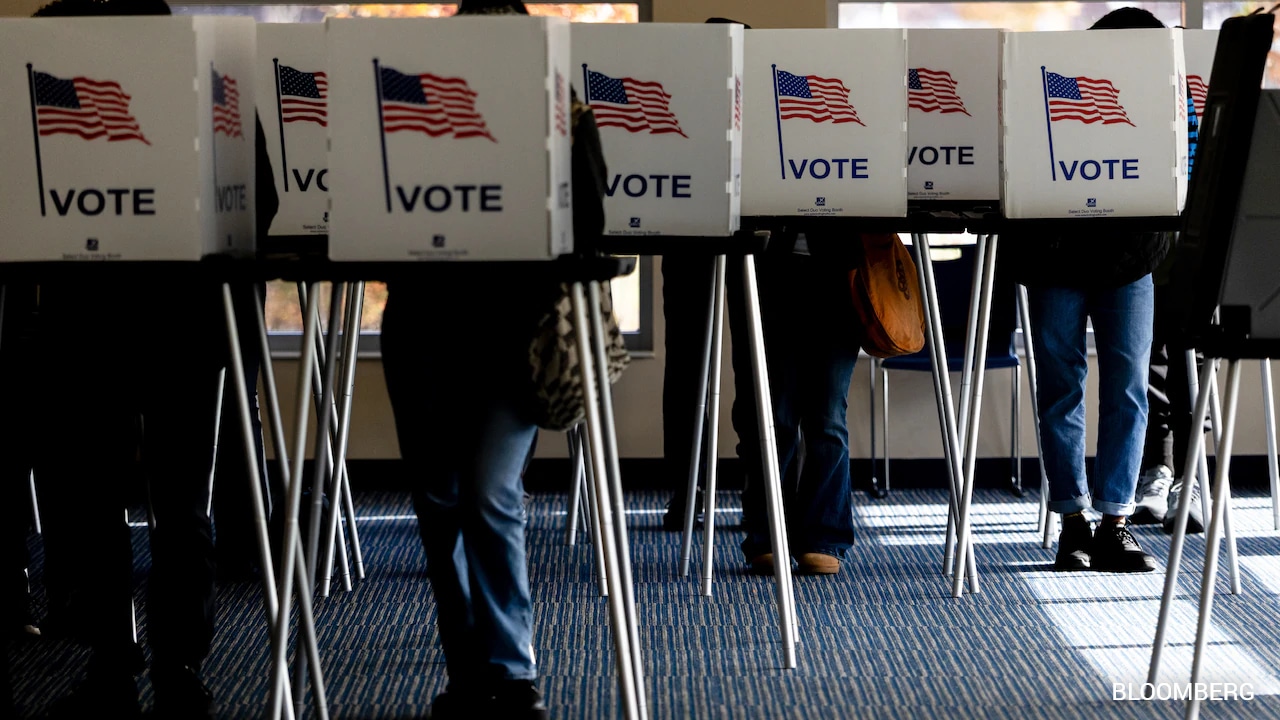
Americans are casting their ballots today in an election cycle that feels less like a routine congressional contest and more like a high-stakes verdict on the executive office. When voters step into booths across the country, they aren't just deciding local congressional seats. They are sending a direct signal about how they view Donald Trump's administration, his economic policies, and his aggressive legislative agenda.
If you look at how modern midterms work, they almost always function as a referendum on the sitting president. But this cycle carries a different weight. Trump himself leaned hard into this dynamic, telling his base to treat him as if his name were physically printed on every ballot. Democrats were more than happy to oblige, turning every campaign stop into a referendum on executive overreach, inflation, and foreign policy decisions.
The Economy and the Cost of Living Factor
Voters don't make choices in a vacuum. Kitchen-table issues usually dictate the outcome of any midterm, and this year is no exception. Affordability remains the single biggest pain point for households trying to keep up with rising expenses.
Sweeping tariff policies and fallout from geopolitical tensions—including the military engagement with Iran earlier in the year—pushed energy prices and everyday goods higher. Opposition candidates capitalized on that frustration, framing the administration's economic moves as direct drivers of inflation. When groceries cost more and utility bills spike, voters tend to look for a check on power, regardless of party loyalty.
Republicans fought back by trying to pivot the conversation toward national security and painting their opponents as out of touch with working-class struggles. Rallies in key swing states featured warnings about the alternative, urging conservatives to protect the legislative gains made over the last two years.
What is Actually at Stake in Congress
If the opposition party manages to flip one or both chambers of Congress, the political reality in Washington shifts overnight. Control of Capitol Hill means subpoena power, stalled executive appointments, and a complete wall against any further major legislative pushes.
A divided government would turn the second half of the presidential term into trench warfare. Investigations into White House conduct would multiply, and administrative priorities would grind to a halt. Yet, even a wave election that hands Democrats the House or Senate wouldn't make Trump powerless. The executive branch still retains broad veto authority and independent enforcement powers, meaning gridlock becomes the default setting for federal policy.
On the flip side, if the GOP defies historical trends and holds onto Congress, it validates the administration's playbook. It signals that voters are willing to tolerate economic friction in exchange for cultural and structural disruption. That kind of victory would embolden the White House to push even harder ahead of the 2028 presidential race cycle.
The Fallout for 2028
Every midterm election plants the seeds for the next presidential cycle. Winners tonight become national figures overnight, while losers are forced to rethink party strategy from the ground up.
In states like South Carolina and Michigan, unexpected primary battles and internal party friction showed that blind loyalty isn't guaranteed. Voters disillusioned with national figures are carving out independent paths, proving that regional issues can still override top-down party discipline.
As the polls close and the tally begins, the numbers will tell a clear story about the mood of the electorate. Whether that story is a warning shot or a green light depends entirely on the ballots being counted right now.