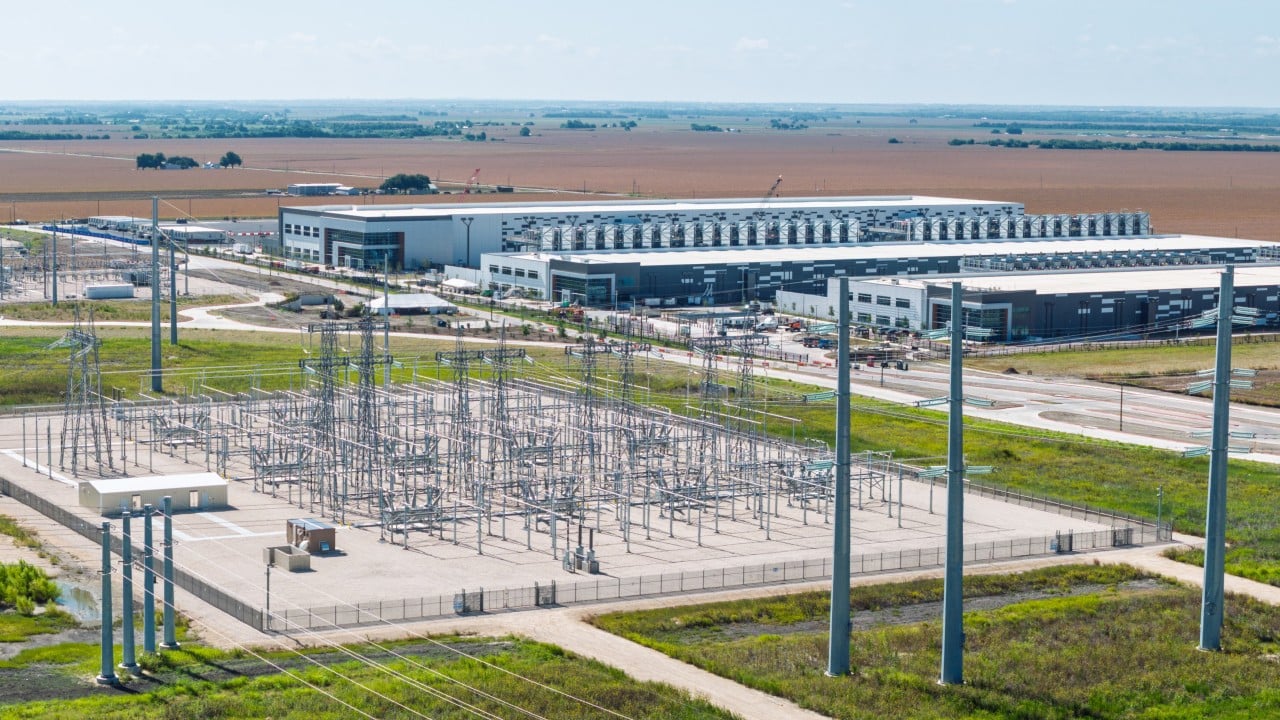
You can't train large language models on good intentions. You need megawatts, and you need them now. For years, tech giants chased that compute hunger without looking up from their spreadsheets, signing massive power purchase agreements and snapping up grid capacity like it was going out of style. Then the 2026 midterm elections happened.
Suddenly, politicians aren't just talking about abstract tech policy anymore. They're responding to angry voters whose utility bills are spiking because local substations are being sucked dry by server warehouses. With Democrats making notable gains in Congress and flipping key state-level seats, the unhindered expansion of AI data centers is hitting a very real, very stubborn political wall.
Let's look at what's actually happening on the ground.
The Grassroots Backlash Hit the Ballot Box
If you thought the pushback against massive computing campuses was just online noise, the ballot measures told a different story. Across 10 states and 38 local jurisdictions, voters weighed in on at least 41 distinct data center measures. Ohio alone saw 21 separate proposals on the ballot.
Voters approved nearly every moratorium put in front of them.
This isn't about people hating artificial intelligence. It's about household survival. When a single sprawling server farm consumes as much electricity as a mid-sized city, local grids strain, and monthly power bills jump. Exit polls highlighted a stark reality: over half of voters viewed data center expansion as a major factor in their economic anxiety. When families are worried about the cost of living, watching massive tech corporations get priority access to cheap energy doesn't sit well.
Politicians noticed. Newly empowered lawmakers are turning local friction into legislative roadblocks.
What This Means for Big Tech Capital Spending
Wall Street felt the shockwaves immediately. Tech stocks and specialized infrastructure players saw pullbacks as traders priced in a harsher regulatory climate. When control of key state governments and legislative bodies shifts, the days of walking into a local zoning board and getting a rubber stamp are finished.
Needham analysts point out a crucial twist in the market dynamics. While new builds face tougher environmental reviews, tighter water usage permits, and drawn-out legal challenges, existing permitted capacity just got a whole lot more valuable.
The biggest hyperscalers like Amazon, Google, and Meta have massive balance sheets and deep government-relations teams. They can afford to navigate red tape, hire specialized legal counsel, and weather construction delays. Smaller infrastructure startups and independent developers don't have that luxury. For them, delayed permits mean stalled capital and stranded assets.
If you're betting on frictionless expansion for every company touching the AI supply chain, you're ignoring basic local politics.
The Energy Grid Reality Check
The core bottleneck isn't just about zoning permits or election results. It's about physics and utility economics.
For the past few years, tech companies tried to solve their power crunch by resurrecting retired nuclear plants or striking direct deals with energy providers. But state utility commissions hold ultimate retail authority. When data centers threaten to destabilize regional grids or crowd out residential consumers, utility boards have a mandate to intervene.
We saw this play out clearly within the PJM interconnection, the largest US grid system, where demand from server farms completely outpaced new generation capacity. Nigel Green of deVere Group put it bluntly: power bills became a voting issue, and AI infrastructure is about to pay the price.
Lawmakers are now drafting bills aimed squarely at protecting households from absorbing the infrastructure costs of the tech boom. If tech firms want to build massive computing clusters, they're likely going to be forced to pay for the grid upgrades upfront, rather than passing those costs onto everyday ratepayers.
Where the Market Goes From Here
The narrative that artificial intelligence can grow unchecked in every corner of America is officially dead. The 2026 midterms didn't kill the infrastructure boom, but they permanently changed the rules of engagement.
Companies that treat local communities as an afterthought will keep running into legal walls. The winners in this new environment won't just be the ones with the fastest chips. They'll be the ones smart enough to secure reliable, independent power sources and build genuine community buy-in before breaking ground.
Stop assuming unlimited expansion is guaranteed. Factor regulatory friction and grid politics into your outlook, because the era of easy permits is over.