Military precision is a double-edged sword. We marvel at the discipline, the split-second timing, and the sheer audacity of troops dropping out of the sky into packed stadiums. But every once in a while, reality hits hard. A tragedy occurs, and we are forced to look past the spectacle to ask uncomfortable questions about risk and necessity.
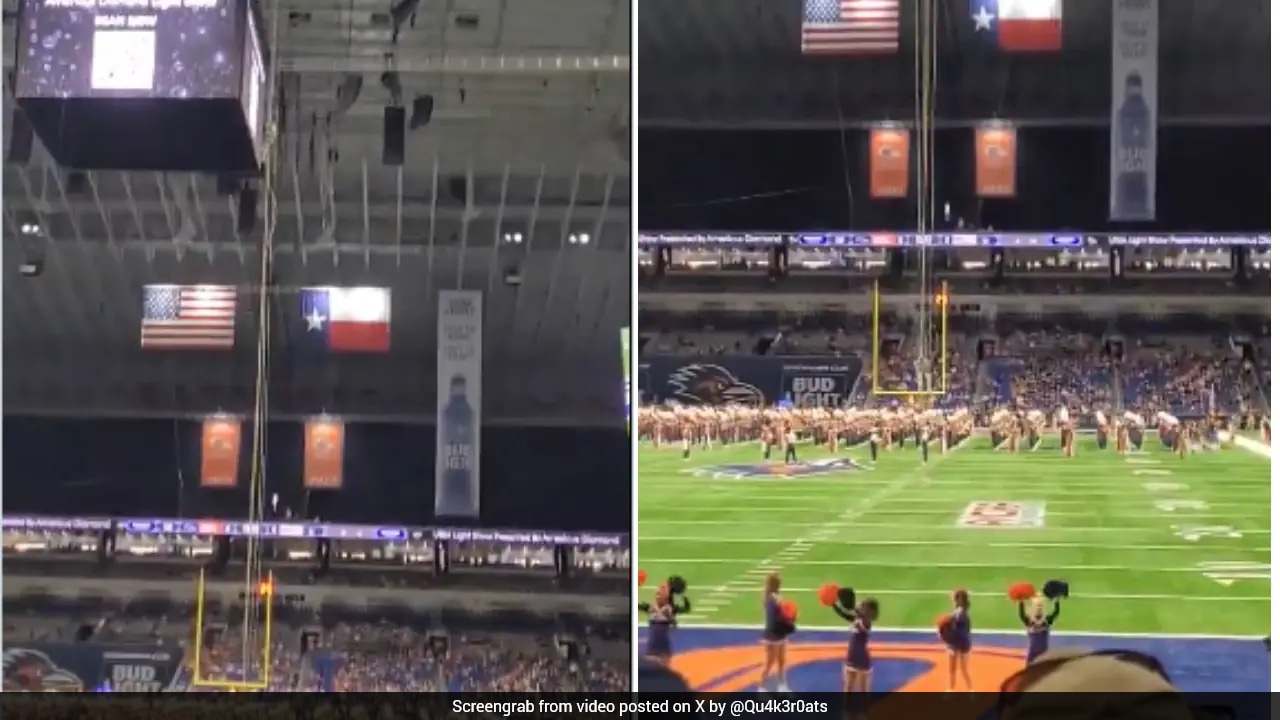
Back during a college football pre-game routine, a tragedy struck involving a United States Air Force commando. The incident claimed the life of a highly trained special tactics operator during a parachute demonstration before a major matchup. It was a stark reminder that high-risk military displays carry real costs, even when things are supposed to go by the book.
Let us break down what actually happens behind the scenes of these high-visibility events, why things go wrong, and what changes are long overdue.
The Reality of High-Risk Military Parachute Demonstrations
Special tactics units within the military train for the worst environments imaginable. They jump into combat zones, hostile territory, and unpredictable weather. Dropping into a crowded athletic stadium might look like routine public relations to an outsider, but it introduces variables that a standard drop zone simply does not have.
Stadiums are wind tunnels. Massive concrete bowls capture swirling air currents that shift unpredictably at lower altitudes. When a parachutist drops 170 feet or attempts a tight stadium swoop, there is almost zero margin for error.
Military brass often treats these demonstrations as vital recruiting tools. They want to show strength, precision, and technological superiority to millions of viewers watching on television and in the stands. Yet, military families and safety advocates have questioned whether the risk outweighs the public relations value. Training accidents happen behind closed doors out of necessity. Public demonstrations, however, are a choice.
Examining the Safety Protocols Behind Tactical Drops
When a tactical jumper prepares for a stadium entry, the planning is exhaustive. Meteorology reports are checked. Drop zones are mapped out down to the inch. Backup canopies are packed with meticulous care.
Despite all this, mechanical malfunctions and environmental anomalies still happen. In the specific incident involving the Air Force commando, investigators looked closely at equipment failure versus environmental factors. While equipment is rigorously tested, high-stress maneuvers put immense strain on gear.
The investigation into that fatal fall highlighted a recurring issue in military aviation and airborne operations. Equipment can perform nominally during routine tests, yet fail under specific dynamic loads. It is a sobering truth of aerospace engineering. We cannot eliminate risk entirely when humans are thrown out of aircraft at terminal velocity.
The Broader Impact on Military Culture and Public Perception
When a service member dies during a non-combat event, the ripple effects inside the ranks are profound. Morale takes a hit. Fellow operators look at their own gear and wonder if the next routine display will be their last.
Public perception shifts, too. For a brief moment, the glamour of military pageantry fades, and the raw danger of the profession takes center stage. People start asking why elite combat assets are being used for entertainment rather than focused strictly on national defense readiness.
You see this tension play out across all branches. The Blue Angels and the Thunderbirds face similar scrutiny every time a jet suffers a mishap during an air show season. The pressure to perform for the public clashes with the core mission of keeping operators alive and mission-ready.
What Needs to Change in Air Force and Joint Operations
If we want to honor fallen service members properly, we cannot just offer thoughts and prayers and then go right back to business as usual. Real institutional change requires asking tough questions about operational safety limits.
First, risk matrices for public events need a complete overhaul. If a venue presents erratic wind patterns or tight vertical clearance, the jump should be scrubbed immediately. No PR campaign is worth the life of a trained commando.
Second, redundancy in low-altitude emergency procedures must be re-evaluated. At 170 feet, standard reserve deployment sequences barely have time to function. If a primary canopy malfunctions or collapses at that height, physics wins unless automated safety devices act instantly.
We need fewer high-risk stunts and more focus on what these elite operators do best. Protect your people first. Let the spectacle take a backseat to survival.
Check your local military outreach policies, support safety reform advocacy groups, and push for accountability whenever unnecessary risks are normalized for entertainment.