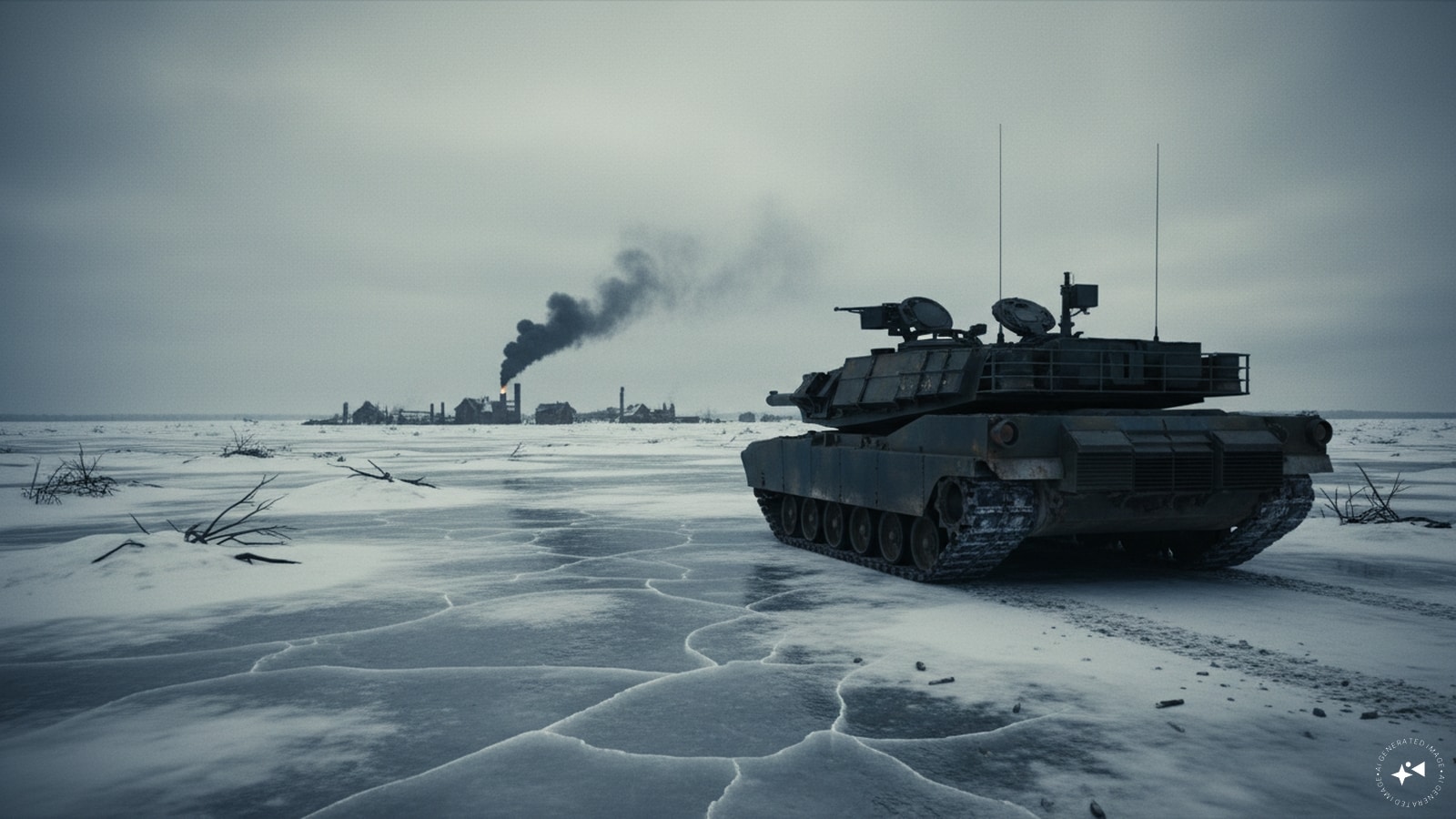
We built defense alliances for a style of combat that no longer exists.
When you look at the trenches, drone swarms, and electronic warfare dominating the skies over Eastern Europe, a chilling realization sets in. The North Atlantic Treaty Organization, despite its multi-billion-dollar budgets and high-tech hardware, faces serious institutional doubt. Military analysts are openly asking a terrifying question. Is NATO actually ready to fight a sustained, high-intensity conflict?
Honestly, the answer makes for uncomfortable listening in Brussels and Washington.
For decades, defense planners focused on short, decisive interventions against weaker adversaries. They built small fleets of exquisite, hyper-expensive weapons systems. Think advanced stealth jets and state-of-the-art main battle tanks. But the conflict in Ukraine exposed a brutal truth. Wars of attrition eat through hardware faster than factories can build it.
Western defense officials recently admitted to reporters that battlefield developments move at a dizzying speed. Because of this velocity, standard NATO weapons and tactics risk obsolescence before they even hit the front lines.
The Industrial Base Crisis
Let's talk about manufacturing. You cannot fight a modern war with spreadsheets and quarterly procurement cycles.
When Russia shifted its economy onto a war footing, Western capitals scrambled. They discovered a shocking lack of industrial depth. Artillery shell production capacity withered away after the Cold War. Trying to scale up production lines now feels like turning an oil tanker in a bathtub.
Private defense contractors operate under profit motives, not immediate survival pressures. They require long-term financial guarantees before expanding plants or hiring shifts. Meanwhile, Ukrainian forces burn through tens of thousands of rounds a week.
If a major conflict broke out tomorrow, many member states would run out of critical munitions in a matter of weeks. That is not a deterrent. That is an invitation.
The Drone Reality Check
Remember when everyone thought multi-million-dollar fighter jets ruled the skies? Ukraine changed that overnight.
Cheap, off-the-shelf commercial drones modified with explosives now dictate ground maneuver. Electronic jamming renders precision guidance systems useless. Trench warfare resembles the mud and misery of 1916, paired with the silicon-chip intelligence of 2026.
Yet, many alliance armies remain overly bureaucratic. Integrating low-cost, expendable technology into rigid military hierarchies takes years of committee meetings. Adversaries move in months or weeks. That speed gap could prove fatal.
Personnel and Readiness Shortfalls
Hardware gets the headlines, but people win wars. Or lose them.
Recruitment numbers across several alliance nations are dismal. Young generations view military service through a different lens. Retention rates drop as skilled technicians leave for better-paying private-sector tech jobs.
Furthermore, standing armies are simply too small. Decades of peace dividends hollowed out force structures. Merely possessing advanced gear means nothing if you lack trained soldiers to operate, maintain, and repair it under fire.
What Needs to Change Right Now
Fixing these deep-seated vulnerabilities requires radical honesty and immediate action.
First, defense procurement must embrace agile innovation. Governments need to buy thousands of cheap, effective systems rather than waiting a decade for one perfect piece of equipment.
Second, the defense industrial base requires guaranteed multi-year funding contracts. Factories must stay warm, active, and capable of surging production at a moment's notice.
Finally, training doctrines must discard outdated assumptions about air supremacy and rapid victories. Armies must train for degraded communications, persistent electronic jamming, and endless artillery duels.
The warning signs are flashing bright red. Ignoring them because the truth hurts is a luxury nobody has left.


