Cold cases don't solve themselves. They sit in damp boxes until technology catches up with stubborn grief.
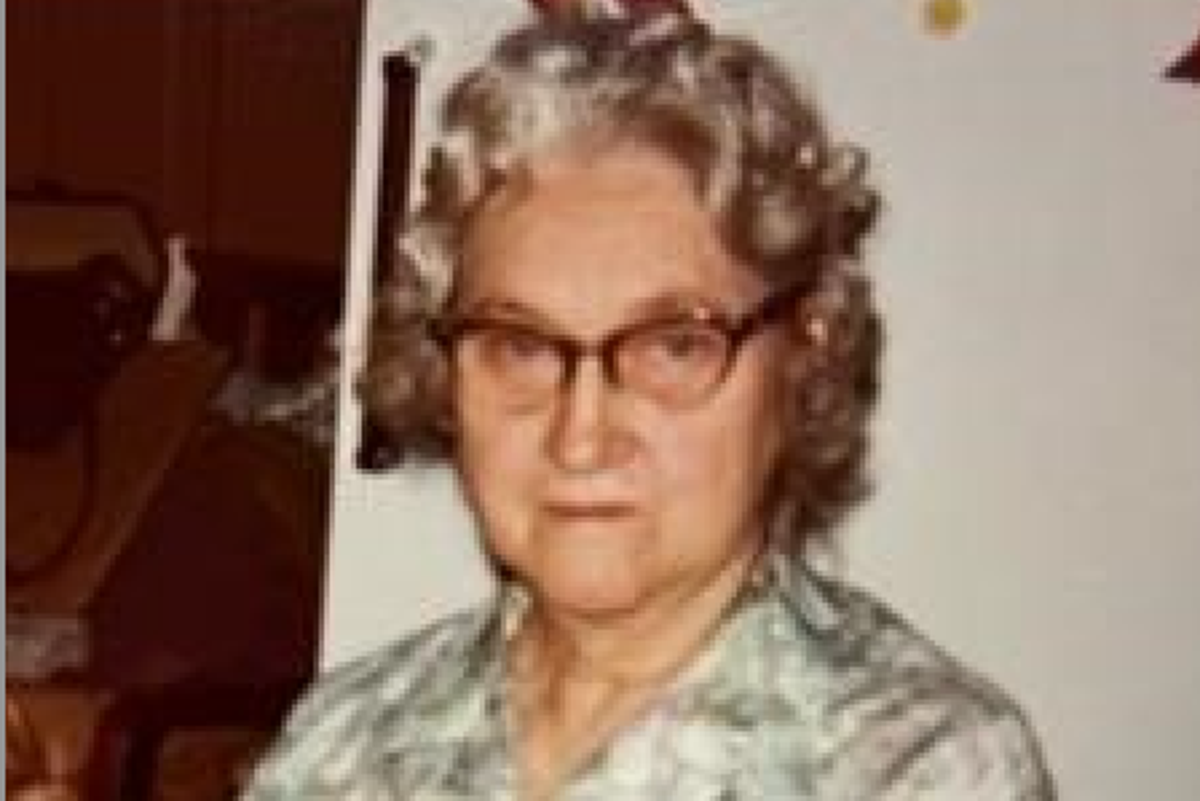
In February 1994, 85-year-old Veta Hardebeck was found dead outside her rural home in Gaston, Oregon. Local investigators initially wrote it off as a tragic accident. They thought an elderly woman had simply fallen while gathering firewood. They were wrong. An autopsy revealed the horrific truth. She had been brutally murdered. For more than three decades, the case languished in the shadows.
That changed when 66-year-old Randall Joseph Gall was arrested at his Gaston home and charged with second-degree murder. He wasn't a stranger tracking her from across the state. He was her literal neighbor at the time of the killing.
Why the Original Investigation Stalled
Police work in the mid-1990s looked entirely different than it does today. Detectives lacked the genetic genealogy and advanced touch-DNA profiling we take for granted now. When Hardebeck's body was discovered on her property, physical evidence was collected, but the analytical tools to isolate small trace samples simply didn't exist.
Families are often left screaming into the void. Hardebeck's daughter, Caroline Ledbury, spent decades carrying the heavy burden of unanswered questions. She publicly recalled finding her mother's body and seeing clear signs of a violent struggle—indicators that initial responders completely missed or misinterpreted.
When police departments lack funding, cold cases collect dust. Breakthroughs usually require money, fresh eyes, and a willingness to admit past mistakes.
The Grant That Resurrected a Dead File
Cold case units are chronically underfunded. This specific breakthrough happened because financial barriers finally dropped.
Last year, the Washington County Sheriff's Office received a modest $14,000 grant from the Oregon Cold Case Investigators Association, boosted by contributions from groups like the Brothers Car Collection. That money wasn't a fortune, but it was enough to breathe life back into a dead file. Detectives partnered with private forensic laboratories to retest physical evidence using modern DNA sequencing.
Science doesn't forget. Touch DNA left on a crime scene decades ago can survive if preserved properly. Once investigators re-ran the old evidence through updated protocols, the trail pointed straight to Gall. A Washington County grand jury indicted him, and the tactical team took him into custody without incident.
What This Means for Other Forgotten Files
If you're wondering how many other rural communities are sitting on unsolved horrors, the answer is unsettling. Washington County's Cold Case Unit alone has systematically re-examined multiple decades-old files since launching with federal assistance. They secured convictions in other historic homicides by refusing to let old paper files stay buried.
The takeaway for victims' families is clear. A closed case from the 1990s isn't necessarily a permanent defeat. Local agencies are increasingly partnering with private labs and utilizing specialized grants to bypass internal budget constraints.
Justice moves at a glacial pace, but genetic science is permanent.
Don't assume old evidence is useless evidence. If you or someone you know has information regarding unsolved violent crimes in your local area, contact your county sheriff's cold case division immediately. Technology has changed the rules of the game.
This video provides additional context on how modern investigative techniques and reopened cold cases are bringing long-awaited answers to families dealing with decades-old tragedies in Oregon.
http://googleusercontent.com/youtube_content/1