For twelve long years, Greek officials waited for an answer. When the United Nations Educational, Scientific and Cultural Organization finally convened in Busan, South Korea, the decision came down with near euphoria in Athens. Mount Olympus is officially a mixed UNESCO World Heritage site.
Rising 2,918 meters straight up from the Aegean coast, the legendary home of Zeus and the twelve Olympian deities is no longer just a shrine to ancient myth. It is now globally protected for its staggering biodiversity and unique physical ecosystem. Discover more on a similar issue: this related article.
If you think this is just another bureaucratic badge of honor for tourists to snap pictures of, look closer. This designation arrives at a critical inflection point for southern Europe's natural spaces.
Beyond the Throne of Zeus
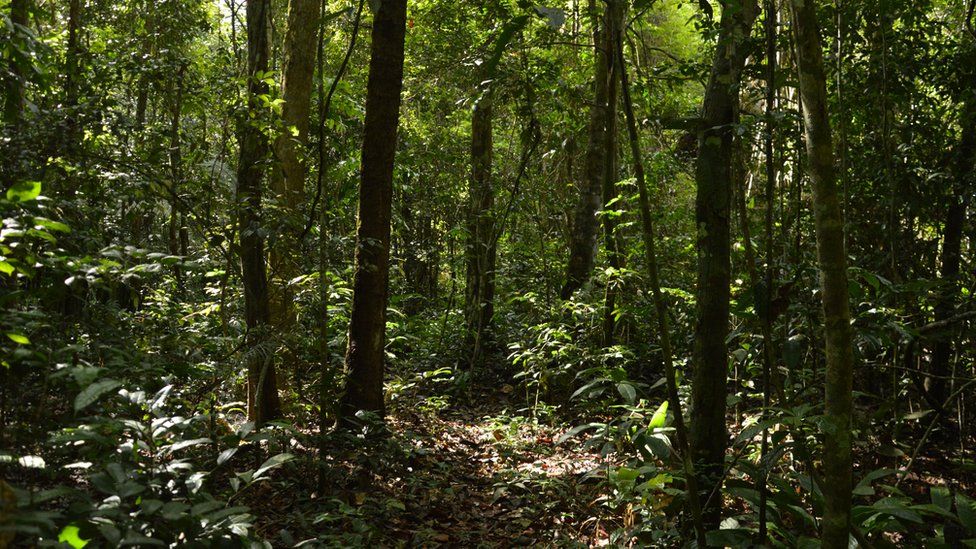
Most travelers picture craggy gray peaks and toga-wearing gods when they hear about Greece's highest mountain. The reality on the ground is far wilder. Mount Olympus packs nearly two thousand plant species into its folds, representing more than twenty-five percent of the entire country's native flora. Dozens of those plants grow nowhere else on Earth. Additional analysis by National Geographic Travel highlights related perspectives on this issue.
Back in 1938, the mountain became Greece's very first national forest. Yet, formal protection lagged behind modern pressures.
Local leaders spent over a decade compiling a dense nomination file highlighting both cultural touchstones—like ancient open-air sanctuaries and high-altitude Christian Orthodox chapels—and pristine natural habitats. Georgios Koumoutsakos, head of the Greek delegation in Busan, pointed out that the status secures a binding commitment to future generations.
The Overtourism and Climate Threat
Let's be honest. Half a million visitors showed up at the mountain last year alone.
Tourism brings vital revenue to nearby towns like Litochoro, but it also brings heavy boots, eroding trails, and human friction. The bigger danger isn't just crowded walking paths. It is fire.
Climate breakdown has turned southern European summers into high-stakes poker games against sudden, ferocious wildfires. Dimitris Pappas, deputy director of the Olympus national park management agency, didn't mince words before the vote. Without international backing and funding, protecting the ecosystem from climate-driven fires remains an uphill battle.
This UNESCO status isn't just about prestige. It unlocks resources, demands stricter management accountability, and forces authorities to upgrade shelters, clear walking paths properly, and reinforce river bridges.
What Travelers Must Do Now
If you plan to hike Mount Olympus, your responsibilities just changed. You are no longer just visiting a scenic ridge; you are stepping inside a globally monitored sanctuary.
- Stay strictly on marked trails to protect endemic alpine flora that takes decades to recover from a single stray footprint.
- Pack out every scrap of waste you bring up. Trash acts as fuel and hazard in an increasingly dry climate.
- Respect local regulations regarding fire safety and camping zones. Zero tolerance rules apply now more than ever.
The gods might have abandoned their physical throne centuries ago, but keeping their mountain intact is entirely on us.