When a local government decides it wants to run your local water system, it usually promises lower bills and better service. But trying to force a private company out through eminent domain is a legal minefield.
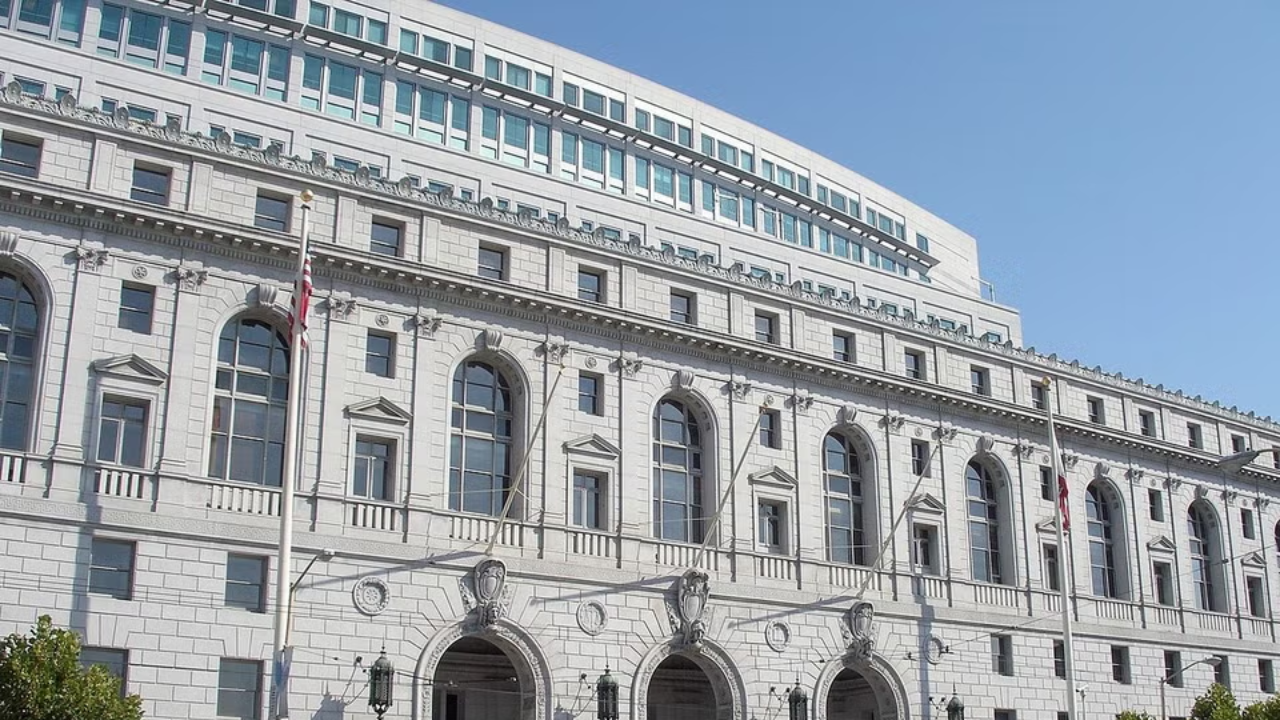
The California Supreme Court just made that clear. In a unanimous 7-0 ruling, the high court slammed the brakes on the Town of Apple Valley’s decade-long quest to seize its local water utility. This decision changes how municipal takeovers work across the state, and it sends a clear warning to any city hall thinking it can easily bully a private utility out of existence.
The Roots of a Ten-Year War
This mess started back in 2010. Private equity firm Carlyle Infrastructure Partners bought the Apple Valley Ranchos Water Company, which supplies water to roughly 65,000 residents in San Bernardino County. Shortly after the acquisition, bills went up.
Voters and town officials got angry. Rate hikes have a funny way of uniting a community against corporate ownership. By 2015, the Apple Valley Town Council had enough and approved formal resolutions of necessity to condemn the water system. They wanted to force a municipal takeover using eminent domain.
Except the utility didn't roll over. Ownership shifted to Liberty Utilities, a subsidiary of Algonquin Power & Utilities Corp, and they fought back. What followed was a grueling legal slugfest, including a massive 67-day bench trial.
The trial court initially ruled for Liberty Utilities, finding the town failed to prove the takeover was genuinely necessary. Then an appeals court flipped the script, arguing that judges had to defer heavily to local government decisions unless there was a gross abuse of discretion.
Now, the state Supreme Court has wiped away that appellate ruling.
Why the Supreme Court Sided With the Utility
At the heart of the case is a simple legal clash: local government power versus state protections for private utilities.
Municipalities love the standard rule of eminent domain. Normally, when a town passes a resolution saying it needs a piece of property for the public good, courts treat that decision with extreme deference. Judges rarely second-guess a local council's declaration of public necessity.
Justice Leondra Kruger, writing for the unanimous court, pointed out that a 1992 California law changed the rules specifically for private utilities. Lawmakers back then wanted to give private water, gas, and electric companies extra armor against hostile municipal takeovers.
Because of that statute, a town's resolution isn't the final word. Trial judges cannot just rubber-stamp a city council's vote. Instead, judges must act as independent fact-finders, reviewing whether the utility actually rebutted the town's claims by a preponderance of the evidence.
If you are a private utility, this ruling is a massive win. It means city halls can't just wave an eminent domain wand and expect the courts to clear the path.
What This Means for Other Cities
Apple Valley isn't the only place trying to municipalize infrastructure. Look at San Francisco, where city leaders have spent years trying to figure out how to pry the local power grid away from Pacific Gas & Electric.
Across the country, public-versus-private utility battles pop up whenever bills spike or infrastructure ages. Local politicians love running on platforms of taking back community resources. It sounds great on a campaign flyer.
Yet running a utility requires massive capital, complex engineering, and navigating intense regulatory frameworks. When cities try to force a buyout, the legal bills alone can drain municipal budgets for years. Apple Valley was previously ordered to pay millions in legal fees during earlier phases of this fight, highlighting the massive financial risk local taxpayers take on when these lawsuits fail.
The Supreme Court didn't officially kill Apple Valley's dream of owning its water system. The justices sent the case back down to the Court of Appeal to evaluate everything under the correct legal standard. But the hurdle is much higher now.
If your town is eyeing a hostile takeover of a private utility, expect a multi-year courtroom war where city hall has to prove its case from scratch. Judges are no longer going to bail out politicians looking for an easy political win.
Check your local utility agreements and city council agendas if you live in a municipality threatening condemnation. The bill for these legal crusades always ends up back on the residents.

:max_bytes(150000):strip_icc():focal(742x300:744x302)/elon-musk-justine-wilson-062424-d55056f5cbd1428fa3b76079db3cd865.jpg)
