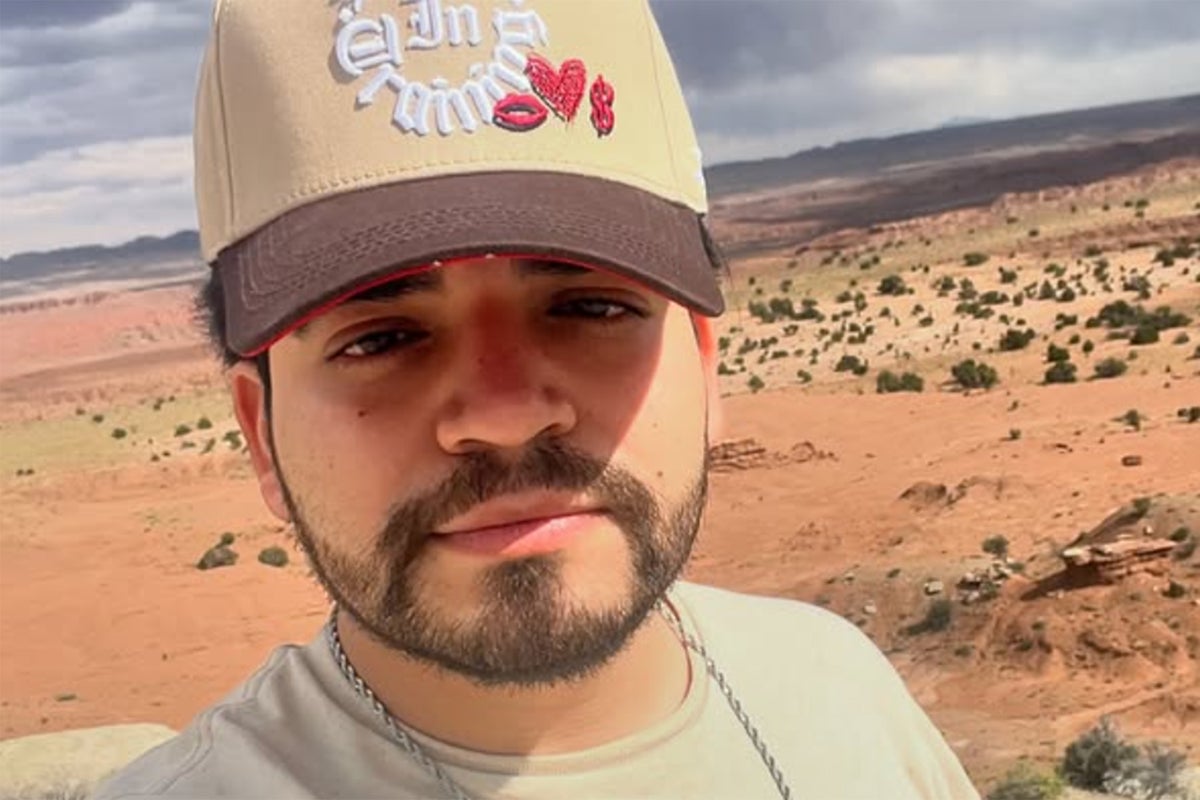
Digital fame turned fatal on a Tuesday evening in Culiacan. Cesar Gastelum, a 23-year-old content creator known online as "Cesarín," was shot dead while broadcasting live outside a fast-food restaurant.
If you follow internet culture, you probably saw the clip. Two men on a motorcycle pulled up to the drive-thru lane. Seconds later, the screen went chaotic. Gastelum, who had built an audience of nearly 600,000 followers on TikTok through comedy sketches and local vlogs, became a grim statistic. He is reportedly the tenth social media influencer killed in Sinaloa amid ongoing cartel faction conflicts.
People want to know why digital creators are dying in broad daylight. The answers point to a dangerous overlap between local celebrity, public visibility, and the volatile security crisis gripping northwestern Mexico.
The Reality of Streaming in a Conflict Zone
Culiacan isn't a normal backdrop for content creation. The capital of Sinaloa has spent years caught in a brutal turf war between rival factions of the powerful local cartel. When you stream live from a busy shopping plaza, your exact coordinates are broadcast to thousands of strangers in real time.
Gastelum and his friends were recording a challenge video, dressed as food delivery workers. Before the shots rang out, viewers watched the tension build on screen. The live feed caught a motorcycle cruising past earlier, prompting one companion to voice an uneasy warning about suspicious men lingering nearby. Moments later, the threat materialized.
Streaming gives creators an intimate connection with fans. In places like Sinaloa, it also makes them sitting ducks. Criminal groups monitor public spaces closely, and high-profile online personalities draw immense attention—sometimes the wrong kind.
A Growing Body Count Among Local Creators
Gastelum's death is far from an isolated incident. Local media reports indicate that at least ten influencers have been killed in Sinaloa over recent years. Names like Leovardo Aispuro, known as "El Gordo Peruci," and Rafael "El Peinadito" form part of a dark roll call of regional internet stars cut down by violence.
In fact, Gastelum had previously posted about the dangers his peers faced. Following Aispuro's murder, Gastelum shared a tribute at his grave, thanking him for advice and vowing to keep working. Now, his own followers are leaving similar messages on his final posts.
The violence isn't limited to Sinaloa either. Across Mexico, high-profile internet personalities have increasingly found themselves caught in the crosshairs of organized crime. Last year, beauty influencer Valeria Marquez was shot to death during a TikTok livestream at her workplace in Zapopan, Jalisco. Authorities later tied that targeted attack to regional cartel leadership.
Why Influencers Are Vulnerable Targets
Content creation in certain regions requires navigating unwritten rules. Many young creators chase clout by showcasing luxury vehicles, high-end gadgets, and cash, inadvertently projecting an image of wealth or association that attracts extortionists and criminal cells.
While investigators have not publicly released a specific motive for Gastelum's murder, the environment in Culiacan leaves little room for safety. State police, national guard troops, and forensic teams swarmed the Desarrollo Urbano Tres Ríos district following the attack, cordoning off the area where the fast-food restaurant stands. Yet, arrests in these high-profile regional killings remain rare, feeding a pervasive sense of impunity.
The tragedy forces a hard look at the illusion of digital safety. Livestreaming creates a sense of community, making fans feel like they are right there hanging out with their favorite creators. But the physical world always catches up. For creators operating in conflict-heavy zones, the pursuit of viral fame now carries a lethal price tag.
If you track internet trends or consume content from creators working in volatile regions, remember that the shiny surface of social media often hides severe underlying risks. Safety protocols and situational awareness must come before the next piece of viral content.