Saskatoon city council just made a massive pivot on its $1.2-billion Downtown Event and Entertainment District. After a high-profile partnership with OVG360 fell through three months ago, city officials didn't scramble to launch another generic procurement bid. Instead, they voted unanimously to enter direct negotiations with the Muskeg Lake Cree Nation.
This isn't just a backup plan. It's an aggressive move that could completely change how major infrastructure gets funded and built in Western Canada. Critics are already complaining about a lack of competitive bidding, but a closer look reveals that this partnership makes absolute sense for a city struggling to bankroll its ambitious downtown dreams.
The Financial Reality Behind the DEED Deal
Let's be completely honest about why Saskatoon is taking this route. Building a massive downtown arena and expanding TCU Place requires serious cash. The city's current funding strategy depends heavily on a three-way split between municipal, provincial, and federal dollars.
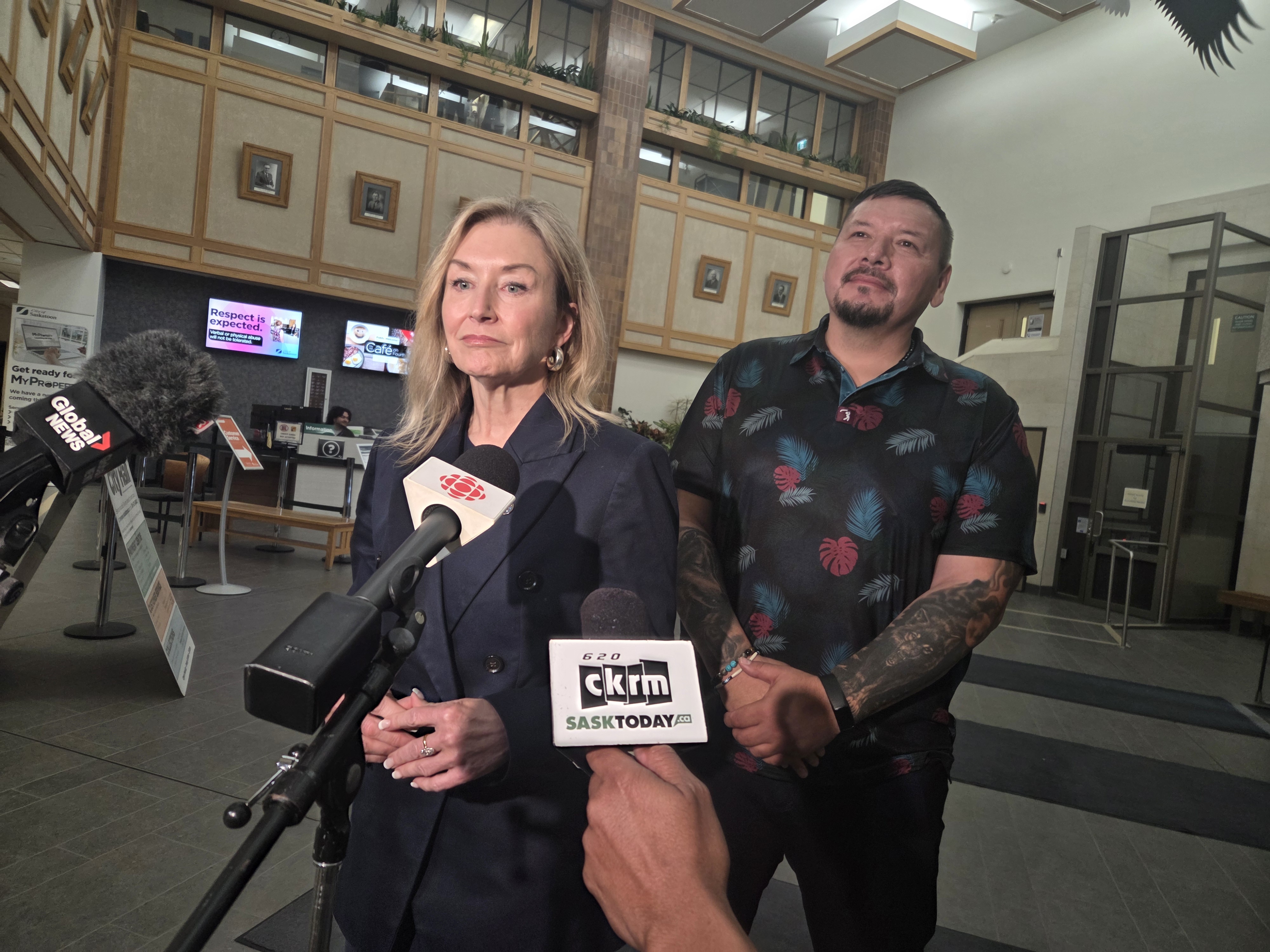
By partnering with Muskeg Lake Cree Nation, Saskatoon instantly unlocks federal funding streams that are typically inaccessible to municipal governments alone. Chief Kelly Wolfe made this clear when he addressed council. The First Nation has a net worth exceeding $100 million and is backed by an experienced, large-scale development partner.
"It opens doors to federal grants, federal opportunities that we may have access to that we're willing to share with the project." — Chief Kelly Wolfe, Muskeg Lake Cree Nation
The city tried to beg North American developers to take on this project. Nobody bit. Now, an economic powerhouse with skin in the game is stepping up to the plate.
Turning the Arena District Into an Urban Reserve
One of the most fascinating aspects of this negotiation is the proposal to convert the arena site—the parking lot north of Midtown Plaza—into an urban reserve.
A few critics are worried about property taxes. It's a common misconception. When land becomes an urban reserve, municipal property taxes don't apply. However, First Nations don't just get a free ride. Muskeg Lake will pay the city an equivalent fee-for-service to cover standard municipal costs like water, sewage, and emergency services.
Muskeg Lake isn't new to this. They established Canada's very first commercial urban reserve in Saskatoon's Sutherland neighborhood back in 1988. Today, that relationship supports 60 businesses and employs over 700 people. They have a 38-year track record of making urban reserves work seamlessly with the city's broader economy.
Why Direct Negotiation Over an RFP Makes Sense
Councillors Rob Pearce and Bev Dubois raised valid points about transparency. Skipping a standard Request for Proposal (RFP) usually triggers alarm bells for taxpayers.
City Manager Jeff Jorgenson admitted that skipping the formal Expression of Interest process was unusual. But doing a massive public call when the administration already knew Muskeg Lake was the best fit would have been disingenuous. Councillor Randy Donauer put it bluntly, reminding council that the city had previously invited the entire continent to bid, and nobody came through.
The deal isn't finalized yet. This vote simply gives the city's technical services director, Dan Willems, the green light to figure out the details. City administration has to report back to council every two months with progress updates.
What This Means for Saskatoon's Economy
The business community is entirely on board. Leadership from Discover Saskatoon, the Riversdale Business Improvement District, and the Greater Saskatoon Chamber of Commerce all showed up to support the deal.
Right now, Saskatoon is losing major events and conventions to other cities because its facilities are outdated. The Riversdale district is seeing skyrocketing property taxes while local businesses deal with broken windows and foot traffic declines. A vibrant downtown core fixes that.
Chief Wolfe even hinted at bringing a professional hockey team to Saskatoon, starting with an American Hockey League (AHL) farm team to prove the city's capacity. While a First Nations casino was rejected by voters on this exact site back in 2003, Wolfe confirmed a casino is completely off the table this time. The focus is strictly on entertainment, hospitality, and convention space.
Next Steps for the DEED Project
Don't expect shovels in the ground tomorrow. This is a complex, nation-to-nation negotiation that will take months to iron out.
If you want to keep track of how this project develops, keep an eye on these milestones:
- The Two-Month Progress Reports: City administration will present its first update to the Governance and Priorities Committee in late August.
- The Partnership Structure: Look for how roles, responsibilities, and land management are divided between the city and Muskeg Lake.
- Federal Funding Announcements: The true test of this strategy will be whether Ottawa steps up with the infrastructure grants Chief Wolfe highlighted.
This isn't just about symbolic reconciliation. It's about practical, economic survival for Saskatoon's downtown core.