Wall Street loves a good panic, and right now, tech investors are running for the exits. The Nasdaq 100 recently tumbled roughly 20 percent from its early October peak, flirting dangerously with official bear market territory. Headlines are screaming about collapsing semiconductor stocks, overhyped artificial intelligence spending, and billions evaporating in a matter of hours.
Take a breath. If you look past the flashing red screens and terminal alerts, this sell-off isn't the apocalypse. It's a long-overdue reality check for an industry that priced in perfection for the next decade.
The Anatomy of a Tech Correction
When an index drops 20 percent, people panic. But markets don't move in straight lines, and tech stocks have been running on pure adrenaline for years. The current pullback isn't random. It’s driven by a combination of hot inflation prints, shifting Federal Reserve rate expectations, and growing fatigue over massive capital expenditures in artificial intelligence.
Hyperscalers like Alphabet, Meta, and Amazon have poured staggering amounts of cash into data centers and hardware. Wall Street funded this spending spree blindly for quarters, assuming infinite returns. Now, investors want to see actual cash flow. When third-quarter reports showed that spending cutting into free cash flow, the market did what it always does: it overreacted.
Chipmakers took the hardest blow. Nvidia, Micron, AMD, and Applied Materials saw heavy selling, dragging down the wider indices. When semiconductor stocks—the absolute backbone of the modern tech economy—drop in unison, it triggers widespread anxiety. But let's be honest. Semiconductor cycles are notoriously cyclical. What goes up fast always corrects hard.
Why This Sell-Off Feels Different
Most routine pullbacks are quick dips that smart money buys within a few days. This one feels heavier because of concentration risk. For the past few years, a handful of mega-cap tech giants carried the entire weight of the S&P 500 and the Nasdaq. When those specific pillars wobble, the entire house shakes.
We are also dealing with macro headwinds that didn't exist during the last bull run. Core PCE inflation came in hotter than expected at 3.3 percent, forcing traders to reprice interest rate cuts. Higher rates hurt growth stocks severely because future earnings are discounted more aggressively today. When money was cheap, investors happily paid astronomical price-to-earnings multiples for tech companies promising distant profits. Now that money carries a real cost, the math stops working for weak business models.
At the same time, recent initial public offerings like Anthropic have faced choppy trading, dipping below their initial offer prices before finding a footing. This failed to act as the clean market-clearing event bulls were hoping for, leaving uncertainty hanging over the sector like a heavy fog.
What Most Investors Get Wrong Right Now
Panic creates bad decisions. The biggest mistake you can make right now is treating a sector-wide valuation reset like a structural business failure.
Demand for computing power hasn't vanished. Enterprise software companies that actually generate steady revenue and positive cash flow have started decoupling from the pure hardware panic. While semiconductor fabrication and speculative AI plays are getting hammered, boring enterprise software and firms with strong balance sheets are quietly holding their ground.
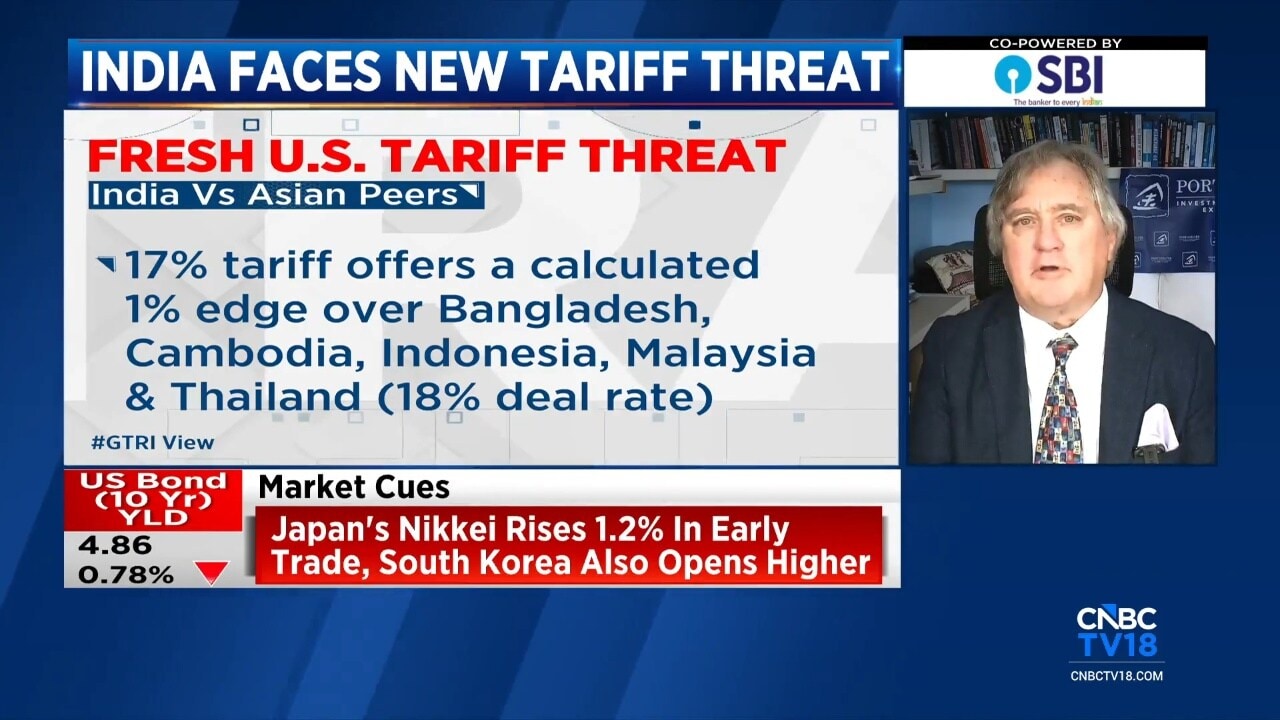
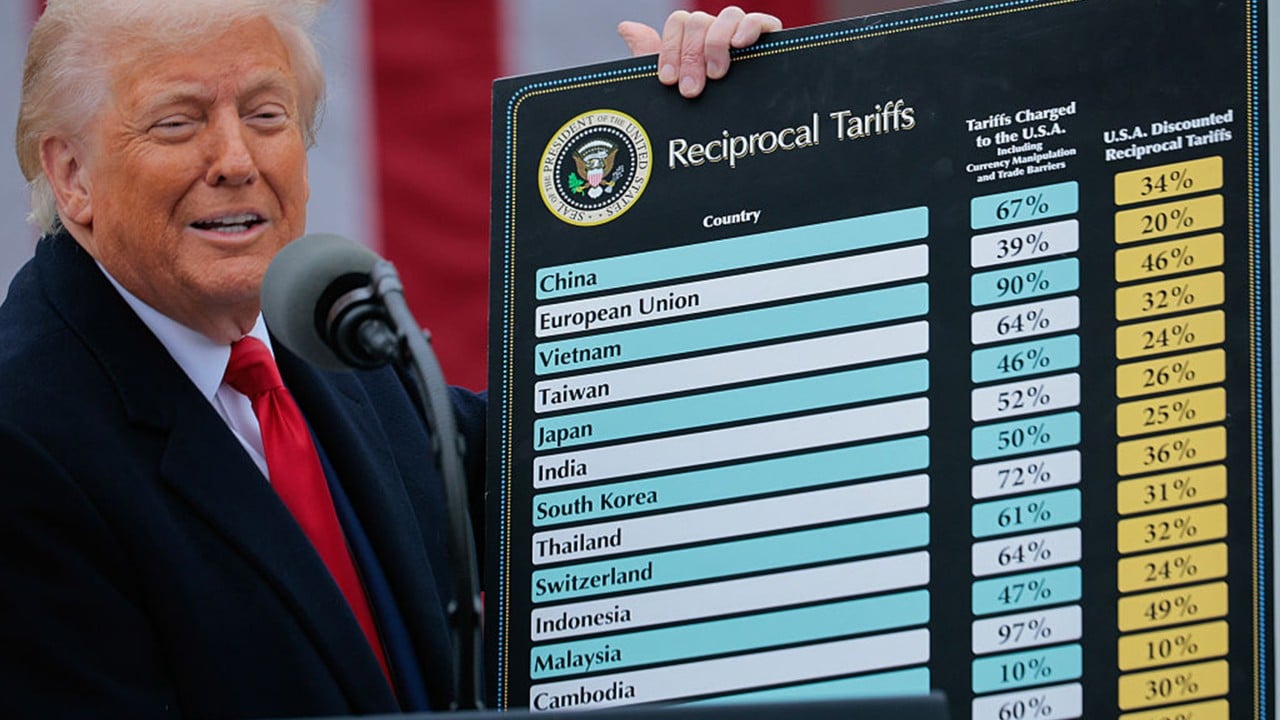
You also have to look past the macro noise. Trade tensions, proposed tariffs, and political shifts create short-term volatility that algorithms amplify. Algorithmic trading feeds on fear, turning a 3 percent dip into a historic rout within hours. If your investment thesis relied on a stock never experiencing a 20 percent drawdown, your thesis was flawed from day one.
How to Handle the Nasdaq Slide
Stop checking your portfolio every ten minutes. It won't change the price, and it will wreck your mental state. Instead, use this correction to audit your exposure.
If your portfolio is 90 percent high-beta tech stocks and speculative chips, you built your house on sand. Diversification isn't a boring buzzword; it's the only shield you have when momentum reverses. Look at your holdings and ask yourself a simple question: would this business survive if venture funding dried up for the next two years? If the answer is no, you are holding the wrong assets.
Volatility is the price of admission in the stock market. The Nasdaq touching bear territory isn't a sign that capitalism is breaking down. It's the market clearing out the excesses of a speculative summer and forcing everyone to remember that fundamentals actually matter. Keep cash handy, ignore the daily media hysteria, and focus on buying quality when everyone else is throwing good assets away in a panic.