Political staffers are rarely the story. They’re the ones managing schedules, checking logistics, and keeping the gears turning in the background. But sometimes, a detail emerges that is so bizarre it becomes a window into a much bigger reality. The report that Natalie Harp, one of Donald Trump’s closest aides, allegedly climbed into the trunk of an SUV to ensure she didn't miss a motorcade ride is one of those moments.
It’s easy to dismiss this as just another headline. But if you look past the initial shock, you start to see the friction between professional boundaries and personal devotion in high-stakes politics.
The incident and the reaction
The story originated from reports detailing an October 2023 court appearance in New York. According to these accounts, a disagreement erupted at Trump Tower because there simply wasn't room for Harp in the planned motorcade. Instead of staying behind or finding another way, she reportedly jumped into the trunk of a vehicle to force her way into the group.
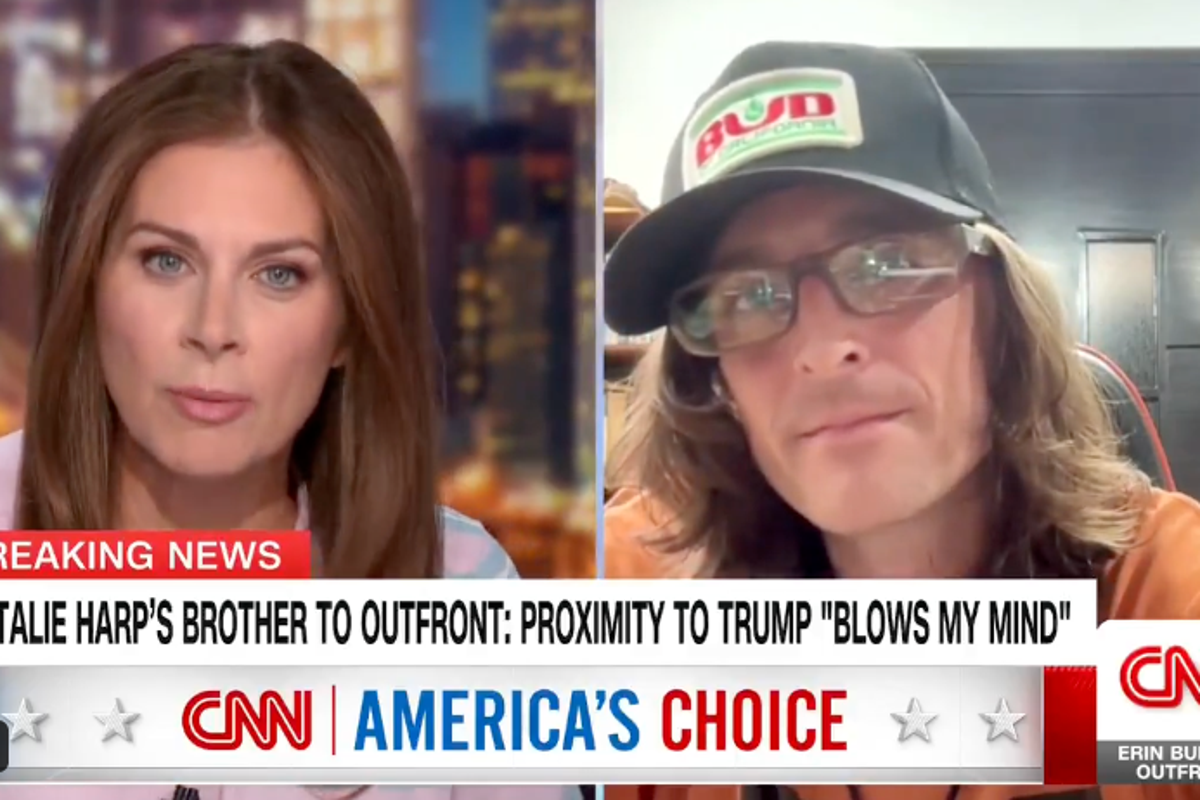
The reaction from her estranged brother, Preston Harp, was telling. In a recent interview, his first response was laughter. That isn't surprising. Human nature often defaults to humor when confronted with scenarios that defy standard social norms. Yet, he quickly pivoted, calling it “sad” and describing it as an “unhealthy obsession.”
Regardless of where you stand on the political spectrum, this highlights a growing trend in American politics. The line between being an employee and being a true believer has blurred. In the past, staffer loyalty was usually tied to a career trajectory or a party platform. Today, we’re seeing a new brand of ultra-loyalty defined by individual attachment to the principal.
Why this brand of loyalty matters
Trump is known for valuing personal allegiance above almost everything else. Advisors have frequently noted that he appreciates aides who don't question him, who provide total commitment, and who act without hesitation. Natalie Harp fits that description perfectly. She’s been called a “human printer,” carrying physical copies of social media and news for the former president.
Is this effective? From the perspective of someone like Trump, yes. He wants a team that acts as an extension of his own will. When you’re under constant pressure from opponents, legal battles, and the daily grind of campaigning, having someone who doesn't second-guess your decisions is an asset.
However, from an organizational standpoint, it’s risky. When everyone around a powerful person is essentially a devotee, who is left to play the role of the devil’s advocate? Who tells the boss when an idea is bad or a plan is logistically impossible?
The shifting definition of a staffer
This incident isn't happening in a vacuum. We’ve seen other examples of aides rising to prominence precisely because of their proximity to the leader, rather than their traditional policy experience.
Consider the broader context. Natalie Harp claims that Trump “saved her life” after her battle with stage II bone cancer. When an employee feels that kind of personal debt, the normal rules of an employment contract don't apply. She isn't just clocking in and out. She is personally invested in the success of the person she believes gave her a second chance.
This creates a high-intensity work environment. It explains why some colleagues find the dynamic “unnerving.” When you have a team member operating on such a different emotional frequency, it shifts the entire office culture. It forces others to either match that intensity or risk being sidelined.
Understanding the bigger picture
Critics, including Democratic Senator Jon Ossoff, have used this to point out what they see as misplaced priorities. They argue that if a campaign or a team is so focused on personal attendance that they are literally stuffing people into trunks, they have lost sight of the actual job.
The defense from the Trump team, meanwhile, has been swift and aggressive. They label such criticism as desperate or extremist, focusing on Harp’s hard work and dedication. This back-and-forth isn't really about the trunk at all. It’s a proxy war over what kind of people should be in the room where decisions are made.
If you’re watching this, don't focus on the specific act of getting into a trunk. Focus on the cultural shift it represents. We are moving further away from a model of professional, detached bureaucratic support. We are moving toward a model of personal, near-religious allegiance.
Practical takeaways for the observer
If you want to understand how this influences the future, keep these things in mind:
- Watch the turnover. When loyalty is based on personal devotion, the team is often incredibly stable until it isn't. If the principal eventually turns on a devotee, the fallout is usually messy.
- Examine the decision-making process. Decisions made by "true believers" tend to be more insulated from outside reality. Look for signs of groupthink in future policy rollouts.
- Question the narrative. Both sides are using these stories to frame the other. The opposition uses them to portray a "cult of personality," while supporters use them to demonstrate "unmatched grit." Usually, the truth sits somewhere in the middle—people doing whatever they think is necessary to survive in a high-pressure environment.
This isn't the first time an aide has gone to extreme lengths for their boss, and it won't be the last. But it serves as a stark reminder that in the upper echelons of power, the personal and the political are now deeply, undeniably linked.
Stop expecting traditional office dynamics in a setting designed for high-stakes political combat. It’s a different game now, and the rules changed years ago.