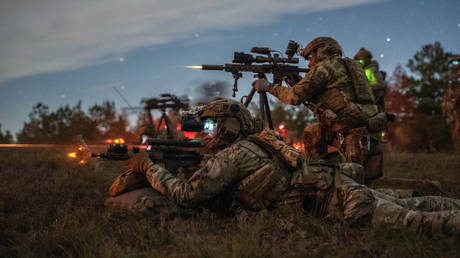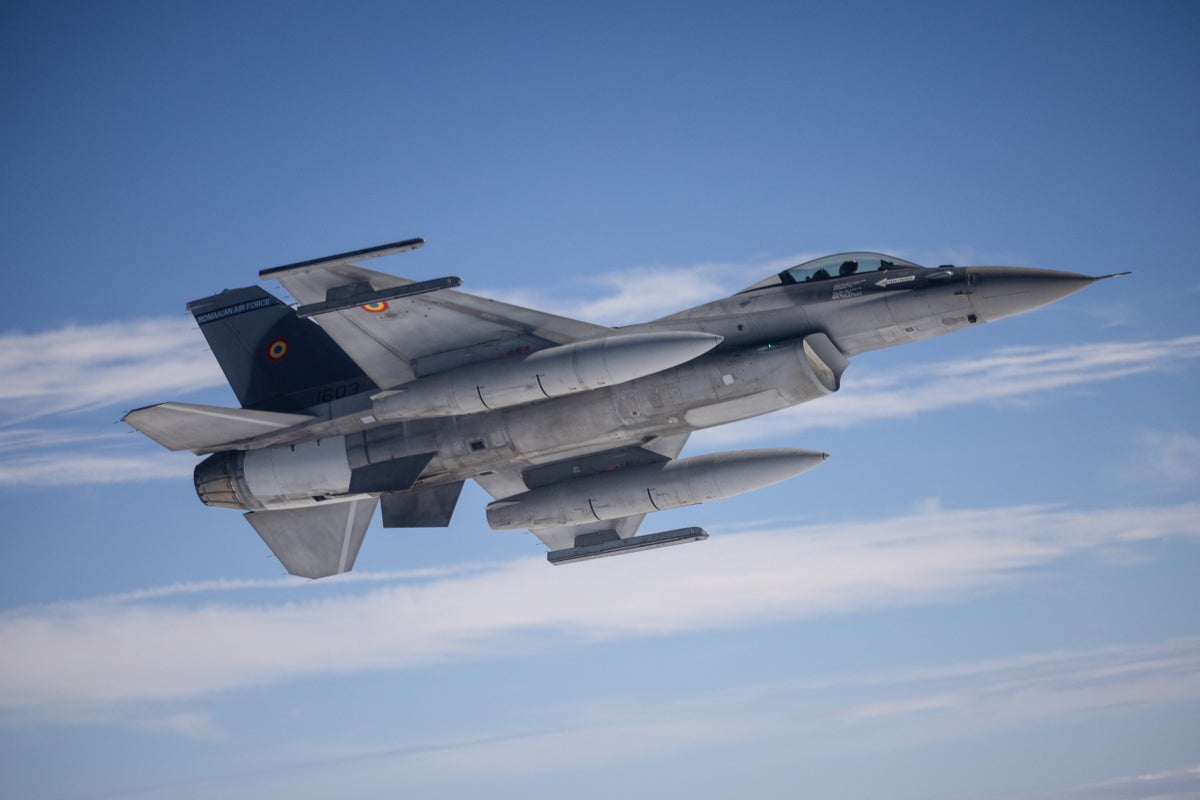
When a Romanian F-16 fighter jet locked onto a target over the Black Sea and fired, it shattered a long-standing taboo on NATO's eastern flank. Moscow's ongoing barrage against Ukrainian ports along the Danube River isn't just staying inside Ukraine anymore. Three Russian drones violating Romanian airspace in three consecutive days has changed the security equation entirely.
President Nicușor Dan didn't mince words, calling the repeated incursions inadmissible and intolerable. He's right. For years, border nations watched explosions across the river and dealt with stray debris as an unfortunate byproduct of a brutal conflict. Now, direct intercept missions are becoming the new normal.
The Shifting Reality on NATO's Eastern Border
Romania shares a sprawling 650-kilometer land border with Ukraine, making its airspace a frequent accidental or deliberate testing ground. Until recently, Bucharest preferred monitoring over kinetic action, hoping to avoid a direct military escalation between NATO and Russia. That cautious approach expired on Friday when a Romanian pilot safely brought down an unmanned aerial vehicle in an unpopulated zone.
Subsequent intercepts on Saturday and Sunday proved this wasn't a one-off navigational error. The debris recovered from these sites confirmed they were Iranian-designed Shahed strike drones, identical to the ones flattening Ukrainian infrastructure daily.
The Romanian Ministry of Foreign Affairs summoned the Russian ambassador immediately. Prime Minister Ilie Bolojan backed the move, calling the breaches completely unacceptable. Meanwhile, NATO military spokespersons are emphasizing the urgent push to acquire advanced ground-based interceptors. Allied defense posture in the Black Sea region is hardening overnight.
Why Moscow is Escalating Port Attacks
The spike in airspace violations directly correlates with Russia's renewed campaign against Ukrainian grain and energy logistics. Moscow wants to strangle Ukraine's maritime export capabilities completely. By targeting infrastructure near the Danube River towns, Russian commanders are cutting margins extremely thin.
When you launch dozens of explosive loitering munitions near a winding international river border, GPS spoofing, electronic jamming, and minor guidance failures guarantee that some will drift across into NATO territory. Russia knows this. They are basically daring the alliance to respond, testing political resolve while pushing tactical advantages.
The Broader Regional Fallout
The situation isn't isolated to the Romanian frontier. Kyiv faced another heavy assault involving incoming ballistic missiles that triggered widespread fires across multiple districts. At the same time, long-range Ukrainian drones continue striking deep inside Russian territory, hitting industrial targets like the Tyumen oil refinery in western Siberia.
President Volodymyr Zelenskyy also drew attention to expanding global networks, alleging that Russian satellite intelligence is actively helping Iran direct strikes against military installations in the Gulf region. The war's feedback loops are expanding faster than diplomats can track them.
Expect tougher rules of engagement along the Black Sea coastline. NATO members can't afford to wait and see if an incoming bladdered drone carries an explosive payload or just empty fuel tanks.
Take a look at how security alliances adapt to creeping escalations by watching Russia Strikes NATO Nation AGAIN? Second Reported Attack In 48 Hours On Romania. This video breaks down the immediate tactical reactions on the ground following the rapid sequence of border violations.
http://googleusercontent.com/youtube_content/1